
Beautiful Plants For Your Interior
Beautiful Plants For Your Interior
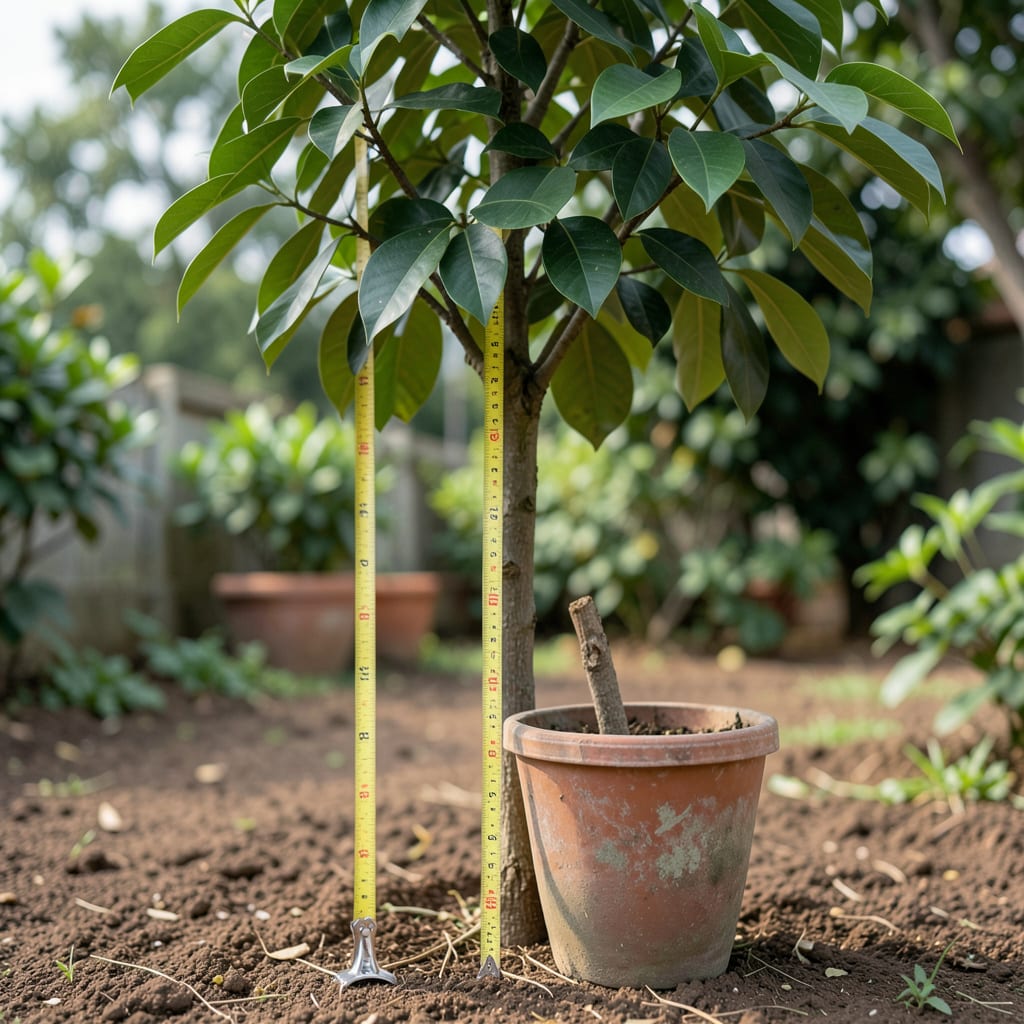
I’ve always been fascinated by the Cinnamon Tree 🌳, not just for its aromatic bark, but for its impressive growth potential. Growing in USDA Zone 6, these evergreen trees can transform any garden or indoor space with their lush foliage.
Understanding how tall they can grow is crucial for planning your garden or container placement. Let’s explore the growth habits of Cinnamon Trees and what you can expect as they mature.


Cinnamon trees are known for their impressive growth potential and can become a striking feature in any garden or indoor space 🌳. Understanding their growth patterns is essential for proper care and planning.
The typical growth rate of a cinnamon tree varies depending on factors such as climate, soil quality, and care. Generally, these trees can grow quite tall, making them a significant presence in any landscape.
Cinnamon trees typically thrive in USDA Zone 6, where they can benefit from the right balance of warmth and seasonal change. Their evergreen nature means they maintain their lush foliage year-round, providing continuous visual interest.
The trees’ growth is influenced by several factors, including soil quality, sunlight exposure, and watering practices. Optimal conditions can lead to more vigorous growth and a healthier, more robust tree.
When planting a cinnamon tree, it’s crucial to consider its potential size at maturity. This ensures that you provide enough space for the tree to grow without becoming overcrowded or competing with other plants for resources.
Cinnamon trees are not just valued for their size but also for their aromatic bark, which is harvested for culinary use. The trees’ ability to produce this valuable spice adds to their appeal for gardeners and cooks alike.
In ideal conditions, with proper care and maintenance, cinnamon trees can achieve their full growth potential. Regular pruning and fertilization can help manage the tree’s size and promote healthy growth.
Understanding the growth patterns of cinnamon trees allows gardeners to make informed decisions about their care. By providing the right conditions and attention, you can enjoy the benefits of these beautiful and productive trees.
Cinnamon trees are a great choice for gardeners looking to add both beauty and functionality to their landscape. Their impressive size and evergreen foliage make them a standout feature in any garden.
With proper care, cinnamon trees can thrive and become a lasting addition to your garden or indoor space. Their growth potential and aromatic bark make them a rewarding plant to cultivate.
Cinnamon trees are sensitive to their growing conditions, and several factors can significantly impact their height. Understanding these elements is crucial for gardeners who want to optimize their tree’s growth 🌳.
Climate plays a vital role in determining the height of a cinnamon tree. These trees thrive in tropical and subtropical regions with high humidity and warm temperatures. In ideal conditions, they can grow more vigorously and reach their maximum potential height.
Cinnamon trees require specific conditions to achieve optimal height. Proper care and attention to climate, soil, and watering needs are essential for maximizing growth.
Soil quality is another critical factor affecting cinnamon tree height. These trees prefer well-draining, fertile soil rich in organic matter. Soil pH should be slightly acidic to neutral, as extreme pH levels can hinder nutrient uptake and impact growth.
Watering practices also significantly influence cinnamon tree height. Consistent moisture is essential, especially during the early stages of growth. However, overwatering can lead to root rot and other issues, so it’s crucial to strike the right balance.
In addition to these factors, fertilization and pruning practices can also impact cinnamon tree height. Regular fertilization with a balanced fertilizer can provide essential nutrients, while pruning helps maintain the tree’s shape and promotes healthy growth.
By understanding and managing these factors, gardeners can create optimal conditions for their cinnamon trees to thrive. This includes providing the right climate, soil, and care, as well as regular maintenance through fertilization and pruning.
With proper attention to these elements, cinnamon trees can achieve impressive heights and become a beautiful and productive addition to any garden or indoor space.
Cinnamon trees are a rewarding choice for gardeners who are willing to provide the necessary care and attention. Their aromatic bark and impressive growth make them a valuable addition to any landscape 🌿.
Pruning and training are essential techniques for managing the height of cinnamon trees and maintaining their overall health. By understanding how to prune effectively, you can control the tree’s size and promote a more balanced structure 🌳.
When it comes to pruning cinnamon trees, it’s crucial to start early. Begin by removing any dead or damaged branches, as these can hinder the tree’s growth and create entry points for disease. Regular pruning also helps to maintain the tree’s shape and encourages new growth 🌱.
Start by inspecting your cinnamon tree for any branches that are dead, diseased, or damaged. Remove these branches to prevent the spread of disease and encourage healthy growth.
Thin out the center of the tree to allow more light to penetrate and air to circulate. This helps reduce the risk of disease and promotes a healthier tree.
Shape the tree by cutting back branches that are growing too tall or out of place. This helps maintain the desired height and shape of the tree.
In addition to pruning, training your cinnamon tree can also help manage its height. Techniques such as espaliering or using supports can guide the tree’s growth and keep it within a desired size. Regular maintenance is key to ensuring your cinnamon tree remains healthy and well-shaped 🌿.
By combining effective pruning and training techniques, you can enjoy a thriving cinnamon tree that fits perfectly within your garden or indoor space. These practices not only help control the tree’s height but also enhance its overall productivity and appearance 🌸.
With consistent care and attention, your cinnamon tree will continue to grow and provide you with aromatic bark for years to come. Proper pruning and training are essential steps in achieving the desired height and maintaining the tree’s health 🌱.
Regular pruning and training sessions will help you develop a deeper understanding of your tree’s needs and growth patterns. This hands-on approach ensures that your cinnamon tree remains a beautiful and productive addition to your landscape 🌳.
By following these guidelines, you can successfully manage the height of your cinnamon tree and enjoy its many benefits. Whether you’re growing it for its spice or as an ornamental piece, proper care will ensure its success 🌿.
Cinnamon trees typically grow between 30-50 feet tall when fully mature. Some varieties can reach heights of up to 40 feet in ideal conditions. The height can vary based on factors like soil quality and climate .
Cinnamon trees are known for their relatively fast growth rate. They can grow 5 feet in the first year and up to 12 feet by the second year. Proper care and optimal conditions can support this rapid growth .
Yes, cinnamon tree height can be managed through regular pruning and training techniques. Pruning helps maintain the tree’s shape and promotes healthy growth, while training methods like espaliering can guide the tree’s growth to a desired height .
Yes, there are dwarf varieties of cinnamon trees available that grow to be 15-20 feet tall. These compact trees are ideal for smaller gardens or indoor spaces where a full-sized tree might be too large .
