
Beautiful Plants For Your Interior
Beautiful Plants For Your Interior
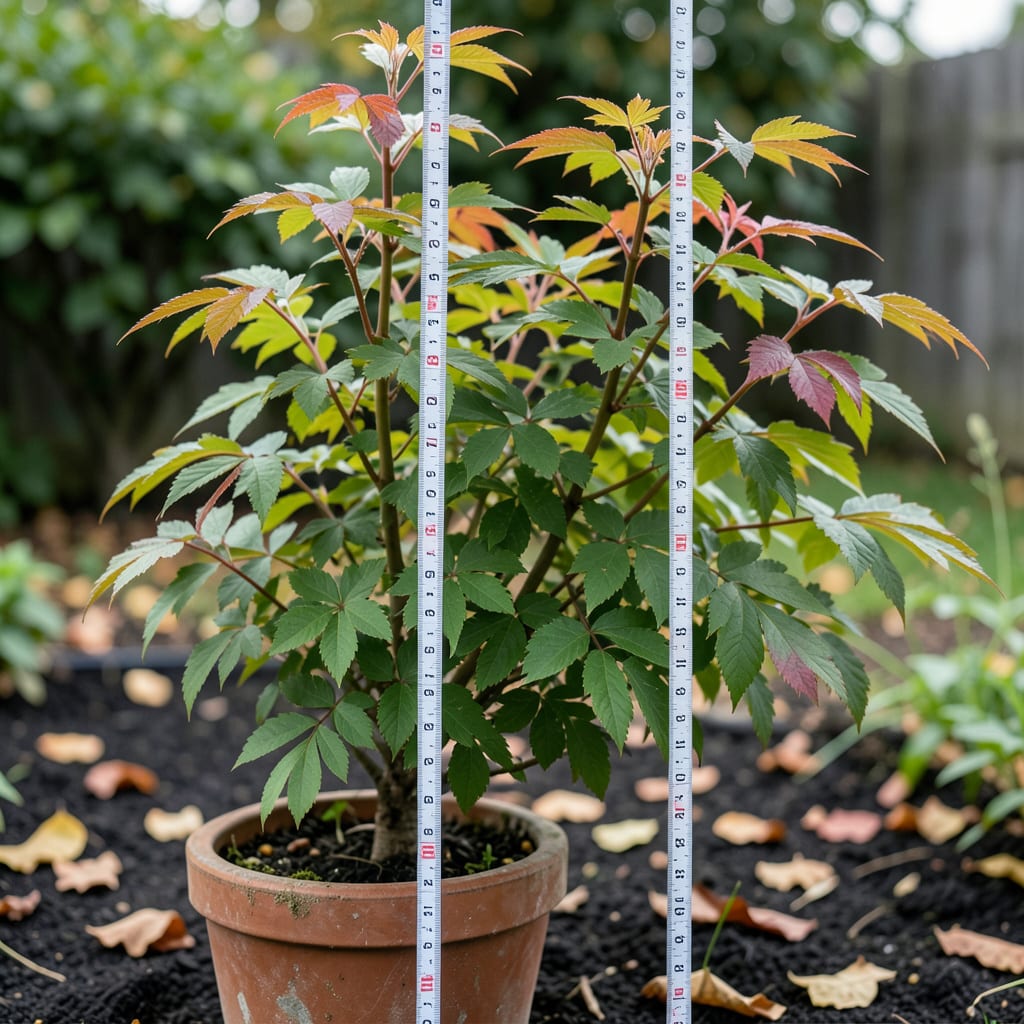
When planting Sumac 🌳 in your garden, understanding its growth potential is crucial for proper placement. In ideal conditions, Sumac can grow anywhere from 6 to 30 feet tall, making it a dramatic addition to any landscape.
The exact height depends on factors like soil quality, sunlight, and specific Sumac variety. Knowing what to expect helps you plan your garden layout effectively and ensures your Sumac 🌳 has enough space to thrive in USDA Zone 6.


Sumac plants are known for their impressive height and vibrant color, making them a popular choice for garden landscapes. The height of Sumac plants can vary significantly based on several factors, including the specific variety, growing conditions, and maintenance practices 🌳.
Generally, Sumac plants can grow anywhere from 6 to 30 feet tall, with some varieties reaching even greater heights in ideal conditions. Understanding these growth patterns is essential for gardeners to plan their landscape effectively and ensure their Sumac plants have enough space to thrive.
The growth rate of Sumac plants is another important consideration for gardeners. These plants are known for their rapid growth, especially during the early years after planting. On average, Sumac can grow 1-3 feet per year under optimal conditions.
Several factors can influence the height of Sumac plants, including soil quality, sunlight exposure, and maintenance practices. For example, Sumac plants grown in full sun and well-drained soil tend to reach their maximum height potential more quickly than those in less favorable conditions 🌻.
It’s also worth noting that different varieties of Sumac can have varying growth habits. Some may grow more upright and tall, while others may have a more spreading or shrub-like growth pattern. Understanding the specific characteristics of your Sumac variety can help you make informed decisions about its placement in your garden.
To maximize the height potential of your Sumac, ensure it receives adequate sunlight and proper soil conditions. Regular maintenance, such as pruning, can also help manage the plant’s height and promote healthy growth.
In conclusion, Sumac plants are capable of reaching impressive heights, making them a dramatic addition to any garden landscape. By understanding their growth patterns and providing optimal growing conditions, gardeners can help their Sumac plants reach their full height potential 🌳.
For more specific guidance on caring for your Sumac plants and managing their height, consider consulting with a local gardening expert or referring to detailed gardening resources.
By following these tips and understanding the growth habits of Sumac, you can enjoy these beautiful plants to their fullest potential in your garden.
When considering how tall Sumac grows, it’s essential to understand the various factors that influence its height. Soil quality plays a significant role in determining the ultimate height of Sumac plants 🌳.
Sumac thrives in well-drained soil with a pH between 6.0 and 7.0. Soil that is too dense or poorly drained can limit root growth, potentially stunting the plant’s height. On the other hand, soil rich in organic matter can support healthier growth and maximum height potential.
Soil quality, climate conditions, and maintenance practices all significantly impact Sumac’s ultimate height and overall health.
Climate conditions are another crucial factor affecting Sumac height. These plants prefer full sun to achieve their maximum growth potential. In areas with ample sunlight, Sumac can grow more vigorously and reach greater heights.
Temperature also plays a role, with Sumac thriving in temperate climates. Extreme temperatures, either too hot or too cold, can stress the plant and potentially limit its growth. In USDA Zone 6, Sumac generally performs well, but protection during harsh winters may be necessary to ensure optimal growth.
Maintenance practices, particularly pruning, significantly impact Sumac’s height. Regular pruning can help control the plant’s size and shape, encouraging a more compact growth habit if desired 🌻.
Pruning in late winter or early spring is recommended to promote healthy growth and maintain the desired height. Removing dead or damaged branches also improves the overall appearance and health of the plant.
By understanding and managing these factors, gardeners can influence the height of their Sumac plants and ensure they reach their full potential in the garden landscape.
For gardeners looking to maximize their Sumac’s height, providing optimal growing conditions and regular maintenance is key. With proper care, Sumac can become a striking feature in any garden, offering both dramatic height and vibrant color 🌳.
Pruning is a crucial maintenance practice for managing Sumac height and promoting healthy growth 🌳.
To maintain the desired height of your Sumac, prune it regularly, focusing on removing dead or damaged branches. This not only helps control the plant’s size but also improves its overall health and appearance.
Prune your Sumac during its dormant season to minimize stress and promote healthy growth in the coming season.
Cut away any branches that are dead, diseased, or damaged to prevent the spread of disease and encourage healthy growth.
Selectively remove branches from overcrowded areas to improve air circulation and allow more sunlight to reach inner parts of the plant.
Regular pruning not only helps maintain the desired height but also promotes a more balanced and aesthetically pleasing shape 🌻.
For gardeners looking to maintain a more compact Sumac, annual pruning is recommended. By following these pruning techniques, you can effectively manage your Sumac’s height while ensuring it remains healthy and vibrant 🌳.
Proper pruning techniques are essential for maintaining the health and appearance of your Sumac plants. By pruning regularly and focusing on removing dead or damaged branches, you can promote healthy growth and maintain the desired height.
For more detailed guidance on pruning Sumac and other gardening tips, consider consulting with a local gardening expert or referring to reputable gardening resources.
Sumac plants typically grow to be around 15 feet tall when mature, though this can vary based on the specific variety and growing conditions. Some dwarf varieties remain much shorter, typically between 6-10 feet tall. The height is influenced by factors like soil quality and maintenance practices.
Sumac plants are known for their rapid growth, especially during their early years. On average, they can grow 1-3 feet per year under optimal conditions. This fast growth rate means they can quickly reach their mature height. Regular pruning can help manage their size if needed.
Several factors influence Sumac’s height, including soil quality, sunlight exposure, and maintenance practices. Sumac thrives in well-drained soil with a pH between 6.0 and 7.0 and prefers full sun to achieve maximum growth. Proper care can help Sumac reach its full height potential.
Yes, regular pruning is an effective way to manage Sumac’s height. Prune in late winter or early spring to remove dead or damaged branches and control the plant’s size. This not only helps maintain the desired height but also promotes healthy growth and a more balanced shape.
