
Beautiful Plants For Your Interior
Beautiful Plants For Your Interior
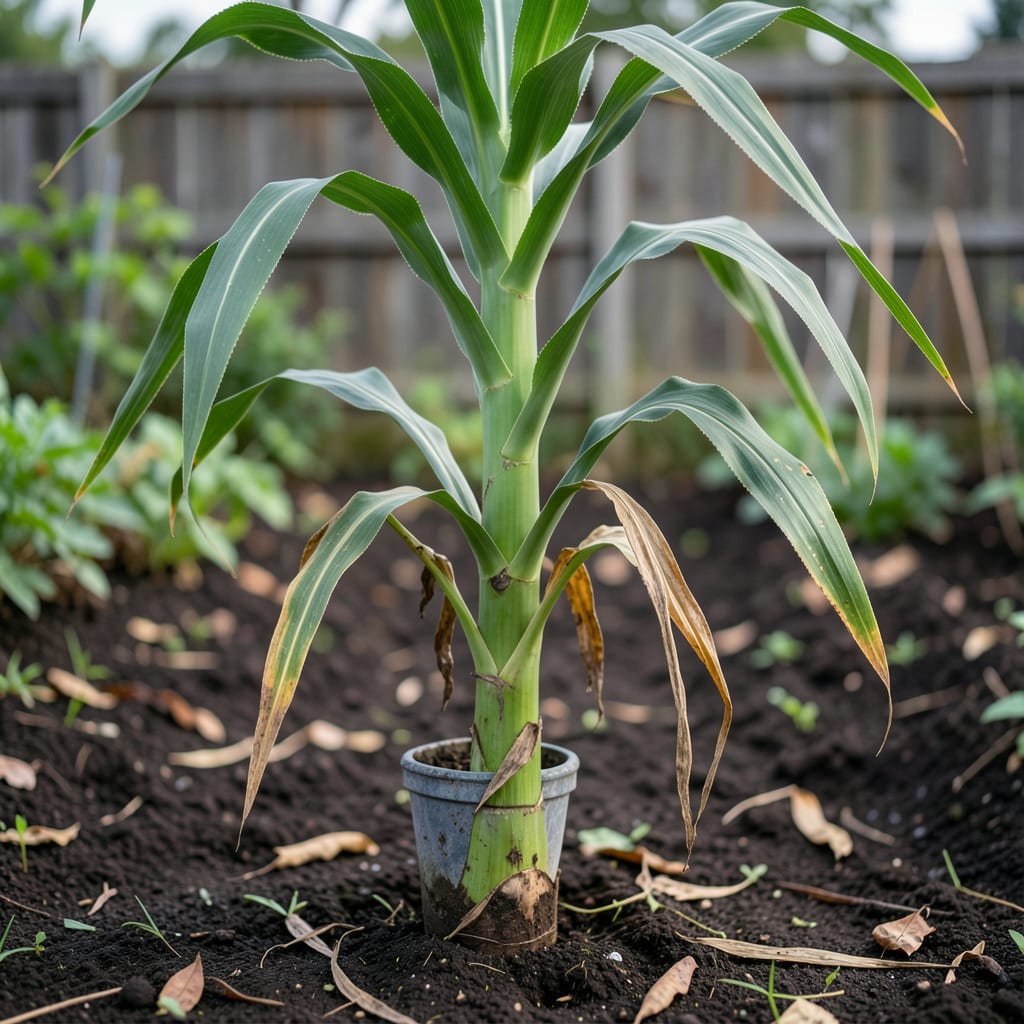
Sugarcane 🌾 is a surprisingly tall plant that can reach impressive heights in your garden. Growing up to 30 feet tall, it’s taller than many gardeners expect.
In USDA Zone 6, sugarcane typically thrives when planted in spring. I’ll share expert tips on how to encourage optimal growth and help you achieve the best possible height for your sugarcane.

Sugarcane is known for its impressive height, which can vary based on several factors including variety, climate, and cultivation practices. The typical height range for sugarcane is between 10 to 30 feet, making it a substantial presence in any garden or agricultural setting 🌾.
The height of sugarcane is influenced by factors such as soil quality, water availability, and nutrient management. Understanding these factors is crucial for achieving optimal growth and maximizing height.
The average mature height of sugarcane typically ranges from 15 to 20 feet under normal conditions. However, with optimal care and ideal growing conditions, some varieties can reach heights of up to 30 feet or more 🌿.
Growth stages of sugarcane include the germination phase, tillering stage, and stalk elongation. Each stage is critical for achieving maximum height and overall plant health.
Factors such as temperature, sunlight exposure, and soil moisture play significant roles in determining the final height of sugarcane. Ensuring optimal conditions during the growing season is essential for maximizing height 🔥.
Sugarcane is a tropical grass that thrives in warm, sunny conditions. It requires adequate moisture and nutrients to achieve its full growth potential.
Nutrient management is crucial for sugarcane growth. Key nutrients include nitrogen, phosphorus, and potassium, which support various aspects of plant development.
Regular irrigation and fertilization are essential practices for maintaining healthy sugarcane crops and achieving optimal height.
In conclusion, understanding the factors that influence sugarcane height and implementing appropriate growing practices are key to achieving impressive growth in your garden or agricultural setting 🌱.
By focusing on soil quality, nutrient management, and optimal growing conditions, you can maximize the height and overall health of your sugarcane plants.
For more detailed information on growing sugarcane, including specific tips on planting and care, continue reading the next section of this guide.
To achieve optimal sugarcane height, it’s essential to focus on proper planting techniques and consistent care. Sugarcane typically grows between 10 to 30 feet tall, making it a significant presence in any garden or agricultural setting 🌾.
When planting sugarcane, ensure you’re using healthy setts with at least 2-3 viable buds. Plant them at a depth of 2-3 inches in well-draining soil with adequate moisture. Proper spacing of 12-18 inches between setts is also crucial for maximizing height.
Maintain consistent soil moisture through regular irrigation, especially during dry spells. Sugarcane requires high water needs, particularly during the active growth phase.
Apply nitrogen-rich fertilizer every 4-6 weeks during the growing season. A balanced NPK ratio of 20-10-10 supports healthy growth and maximizes height.
Regularly inspect your sugarcane for signs of pests or diseases. Implement integrated pest management strategies to prevent damage and ensure optimal growth.
By following these expert tips, you can create an optimal growing environment for your sugarcane, maximizing its height and overall health 🌱.
Regular monitoring of your sugarcane’s growth and adjusting your care practices accordingly is key to achieving the best possible results.
For more information on managing common challenges that may affect sugarcane growth, continue reading the next section of this guide.
Sugarcane growth can be affected by various challenges that impact its height. Understanding these challenges is crucial for maintaining healthy plants and achieving optimal growth 🌾.
Some common issues that can limit sugarcane height include nutrient deficiencies, weather extremes, and disease prevention. Addressing these challenges proactively is key to successful cultivation.
Common issues like drought stress, nutrient deficiencies, and pest damage can significantly impact sugarcane height. Regular monitoring and timely interventions are essential.
Nutrient deficiencies are a significant challenge in sugarcane cultivation. Ensuring adequate nitrogen, phosphorus, and potassium levels is critical for healthy growth and maximizing height.
Weather extremes, such as drought or excessive rainfall, can also impact sugarcane growth. Implementing irrigation management strategies can help mitigate these effects.
Disease prevention is another crucial aspect of sugarcane care. Regular crop monitoring and integrated pest management practices can help prevent disease outbreaks and ensure optimal growth.
By understanding and addressing these common challenges, you can create a more resilient growing environment for your sugarcane, ultimately achieving better height and overall health 🌱.
Proactive management of potential issues is key to successful sugarcane cultivation. Stay vigilant and adjust your care practices as needed to support optimal growth.
For more detailed guidance on managing specific challenges in sugarcane cultivation, consider consulting additional resources or expert advice.
Sugarcane can grow between 10 to 30 feet tall, with average mature height typically ranging from 15 to 20 feet under normal conditions. Some varieties can reach heights of up to 30 feet or more with optimal care and ideal growing conditions. The height is influenced by factors such as variety, climate, soil quality, and cultivation practices.
The height of sugarcane is influenced by several key factors including variety, climate, soil quality, and cultivation practices. Tropical climates promote taller growth, while well-draining, nutrient-rich soil supports better development. Proper spacing, watering, and fertilization are also crucial for maximizing height.
To maximize sugarcane height, focus on proper planting techniques and consistent care. Use healthy setts with at least 2-3 viable buds, plant them at a depth of 2-3 inches, and maintain consistent soil moisture. Apply nitrogen-rich fertilizer every 4-6 weeks during the growing season. Regular monitoring and timely interventions are essential for optimal growth.
Common issues that can limit sugarcane height include nutrient deficiencies, weather extremes, and disease prevention. Ensuring adequate nitrogen, phosphorus, and potassium levels is critical. Implementing irrigation management strategies and practicing integrated pest management can help mitigate these challenges and support optimal growth.
