
Beautiful Plants For Your Interior
Beautiful Plants For Your Interior
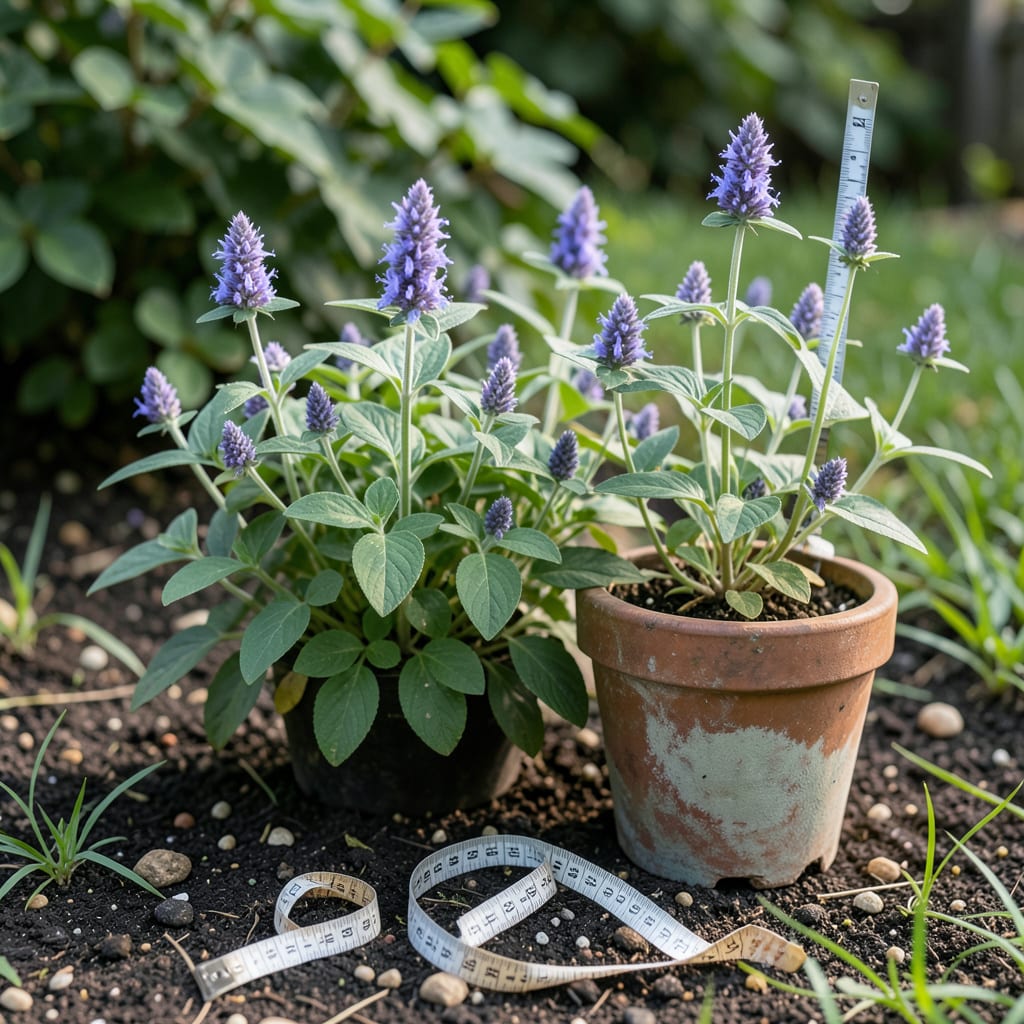
When growing Skullcap 🌿, understanding its height potential is crucial for garden planning. Typically, this herb grows between 1-3 feet tall, making it a great choice for various garden settings.
In USDA Zone 6, Skullcap usually reaches its full height during the spring and summer months. Proper care, including adequate sunlight and watering, can help maximize its growth potential.


When growing Skullcap, understanding its height potential is crucial for garden planning. Typically, this herb grows between 1-3 feet tall, making it a great choice for various garden settings 🌿.
In USDA Zone 6, Skullcap usually reaches its full height during the spring and summer months. Proper care, including adequate sunlight and watering, can help maximize its growth potential.
The height of Skullcap can be influenced by several factors, including soil quality, sunlight exposure, and watering practices. In optimal conditions, Skullcap can reach its maximum height of 3 feet, while less favorable conditions may result in shorter plants.
Soil quality plays a significant role in Skullcap’s growth. Well-draining soil with a pH between 6.0 and 7.0 is ideal for promoting healthy growth and development 🌱.
Sunlight exposure is another critical factor. Skullcap prefers partial shade, typically requiring 2-4 hours of direct sunlight per day. Too much shade can lead to leggy growth, while excessive sunlight may cause stress to the plant.
Watering practices also impact Skullcap’s height. Consistent moisture is essential, but the soil should not be waterlogged. Weekly watering is generally recommended, with adjustments based on weather conditions.
By understanding these factors and providing optimal care, gardeners can help their Skullcap plants achieve their full height potential and thrive in their garden.
Skullcap’s growth habits make it a versatile choice for gardeners. Its moderate growth rate allows it to reach its full height in a few growing seasons, making it a great addition to perennial gardens or herb beds.
In summary, Skullcap is a valuable herb that can grow between 1-3 feet tall. By providing the right conditions and care, gardeners can enjoy its medicinal properties and attractive appearance in their gardens for years to come 🌼.
For more information on growing Skullcap and other herbs, check out our comprehensive guides on herb gardening and care tips.
To maximize Skullcap’s height, it’s essential to provide optimal growing conditions. This herb thrives in well-draining soil with a pH between 6.0 and 7.0, which promotes healthy growth and development 🌱.
Sunlight exposure is another critical factor. Skullcap prefers partial shade, typically requiring 2-4 hours of direct sunlight per day. Too much shade can lead to leggy growth, while excessive sunlight may cause stress to the plant.
For optimal height, maintain consistent moisture and fertilize every 4-6 weeks during the growing season with a balanced fertilizer.
Watering practices also impact Skullcap’s height. Consistent moisture is essential, but the soil should not be waterlogged. Weekly watering is generally recommended, with adjustments based on weather conditions.
Fertilization is another key aspect. Feeding Skullcap with a balanced fertilizer during the growing season can promote healthy growth and maximize its height potential.
By understanding these factors and providing optimal care, gardeners can help their Skullcap plants achieve their full height potential and thrive in their garden 🌼.
Skullcap’s growth habits make it a versatile choice for gardeners. Its moderate growth rate allows it to reach its full height in a few growing seasons, making it a great addition to perennial gardens or herb beds.
In summary, to grow Skullcap to its full height potential, provide optimal growing conditions, maintain consistent moisture, and fertilize regularly. By following these tips, gardeners can enjoy the benefits of this versatile herb 🌿.
Understanding common height issues with Skullcap is crucial for maintaining its health and maximizing its growth potential. Several factors can affect the height of Skullcap, including pests, diseases, and nutrient deficiencies.
One of the most common issues affecting Skullcap height is pest infestation. Pests like aphids and spider mites can weaken the plant, stunting its growth. Regular inspection and appropriate pest control measures can help mitigate this issue 🐜.
Be cautious of overwatering, as it can lead to root rot, significantly impacting Skullcap’s height and overall health.
Diseases are another factor that can affect Skullcap’s height. Fungal infections, such as powdery mildew, can hinder growth. Ensuring good air circulation and using fungicides when necessary can help prevent these issues 🌿.
Nutrient deficiencies can also impact Skullcap’s growth. A lack of essential nutrients like nitrogen and potassium can result in stunted plants. Using a balanced fertilizer during the growing season can help maintain optimal nutrient levels.
By addressing these common issues, gardeners can help their Skullcap plants achieve their full height potential and maintain their health. Regular monitoring and appropriate care practices are key to preventing and resolving height-related problems in Skullcap.
In addition to addressing pests, diseases, and nutrient deficiencies, maintaining optimal growing conditions is essential. This includes providing the right soil quality, sunlight exposure, and watering practices.
By following these guidelines and being aware of potential issues, gardeners can enjoy healthy and thriving Skullcap plants that reach their full height potential 🌼.
Skullcap typically grows between 1-3 feet tall, making it suitable for various garden settings. The height can vary based on factors like soil quality and sunlight exposure. Proper care can help maximize its growth potential .
To maximize Skullcap’s height, provide optimal growing conditions, including well-draining soil with a pH between 6.0 and 7.0, and partial shade with 2-4 hours of direct sunlight. Maintain consistent moisture and fertilize every 4-6 weeks during the growing season .
Common issues affecting Skullcap’s height include pest infestations, diseases like powdery mildew, and nutrient deficiencies. Regular inspection, appropriate pest control, and balanced fertilization can help mitigate these issues. Be cautious of overwatering, which can lead to root rot .
The best time to harvest Skullcap is when the plants are 12-18 inches tall, and the leaves are fully expanded with a strong aromatic scent. This is typically during the summer months when the plant is in full growth. Harvesting at this stage ensures optimal quality and flavor .
