
Beautiful Plants For Your Interior
Beautiful Plants For Your Interior
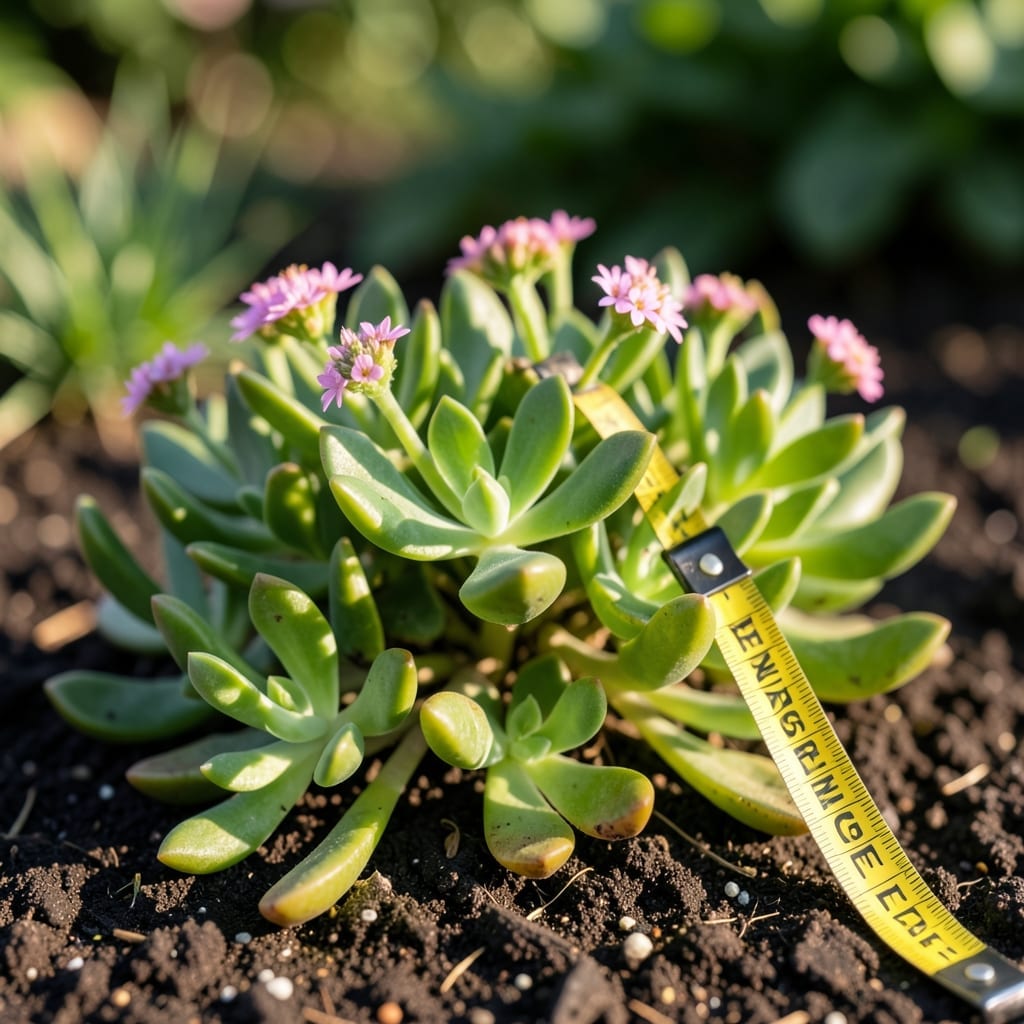
Sedum plants are the unsung heroes of many gardens, prized for their resilience and stunning good looks. But if you’re planning your landscape, one question likely comes to mind first: just how much space will they take up?
I’ve found that mature height can range from a modest 6 inches to an impressive 3 feet, depending on the variety. This surprising diversity makes them perfect for everything from ground covers to dramatic focal points.
The 🌵 Sedum you choose can completely transform your garden’s look and feel. Whether you’re working with tight borders or spacious beds, there’s a size that fits.
Let me walk you through what to expect from different types and how to use their heights to your advantage in garden design.


If you’re planning a garden, understanding sedum mature heights is essential. These drought-tolerant succulents range from low-growing ground covers to tall border plants, making them incredibly versatile.
I’ve seen creeping sedums like Sedum acre stay under 2-4 inches tall, while upright varieties can reach 1-3 feet or more. The right choice depends on your landscaping goals.
| Variety | Mature Height | Growth Habit |
|---|---|---|
| Sedum acre | 2-4 inches | Creeping |
| Sedum morganianum | 6-12 inches | Trailing |
| Sedum spectabile | 18-24 inches | Upright |
| Sedum telephium | 2-3 feet | Clumping |
| Sedum rupestre | 4-6 inches | Mat-forming |
Creeping sedums like Dragon’s Blood are perfect for rock gardens or pathway edges. They spread quickly and stay under 6 inches tall, forming dense mats.
For mid-height interest, Sedum spectabile ‘Autumn Joy’ reaches 18-24 inches. Its sturdy stems hold pink flower clusters that attract pollinators all summer long.
If you want dramatic height, Sedum telephium ‘Matrona’ can grow up to 3 feet tall. Its deep purple foliage and dusty pink blooms make it a standout in any border.
In my experience, taller sedums often need staking in windy areas. Their heavy flower heads can cause stems to flop, especially after rain. A simple bamboo stake or grow-through support works wonders.
Dwarf varieties like Sedum rupestre ‘Angelina’ are ideal for container gardens. At just 4-6 inches tall, they spill beautifully over pot edges, adding golden-yellow color year-round.
Remember that mature height can vary based on growing conditions. In poor soil or shady spots, even tall varieties may stay smaller. For best results, plant in well-draining soil and full sun.
I always recommend checking plant tags or nursery descriptions for specific varieties. Some hybrid sedums can surprise you with their growth habits. When in doubt, give them space to spread and enjoy their low-maintenance beauty 🌱
If you’ve ever wondered how tall does sedum get, know that several factors play a role. From my experience, sunlight exposure is the biggest game-changer—full sun encourages taller, sturdier growth.
Soil quality and drainage also impact height. Poor drainage can stunt growth, while rich, well-draining soil helps sedum reach its maximum potential. ✂️
I’ve noticed that watering habits can make or break your sedum’s height. Overwatering leads to weak stems, while drought stress can limit growth. Aim for deep, infrequent watering.
Pruning is another tool to control height. For taller varieties like Sedum telephium, pinching back stems in early summer encourages bushier growth rather than lanky.
Climate plays a role too. In warmer USDA zones, sedum tends to grow taller, while cooler climates may result in more compact plants. Always check your local conditions.
Finally, companion planting can influence height. Pairing sedum with taller plants may provide shade, potentially limiting its growth. Keep this in mind for garden design planning. 🌱