
Beautiful Plants For Your Interior
Beautiful Plants For Your Interior
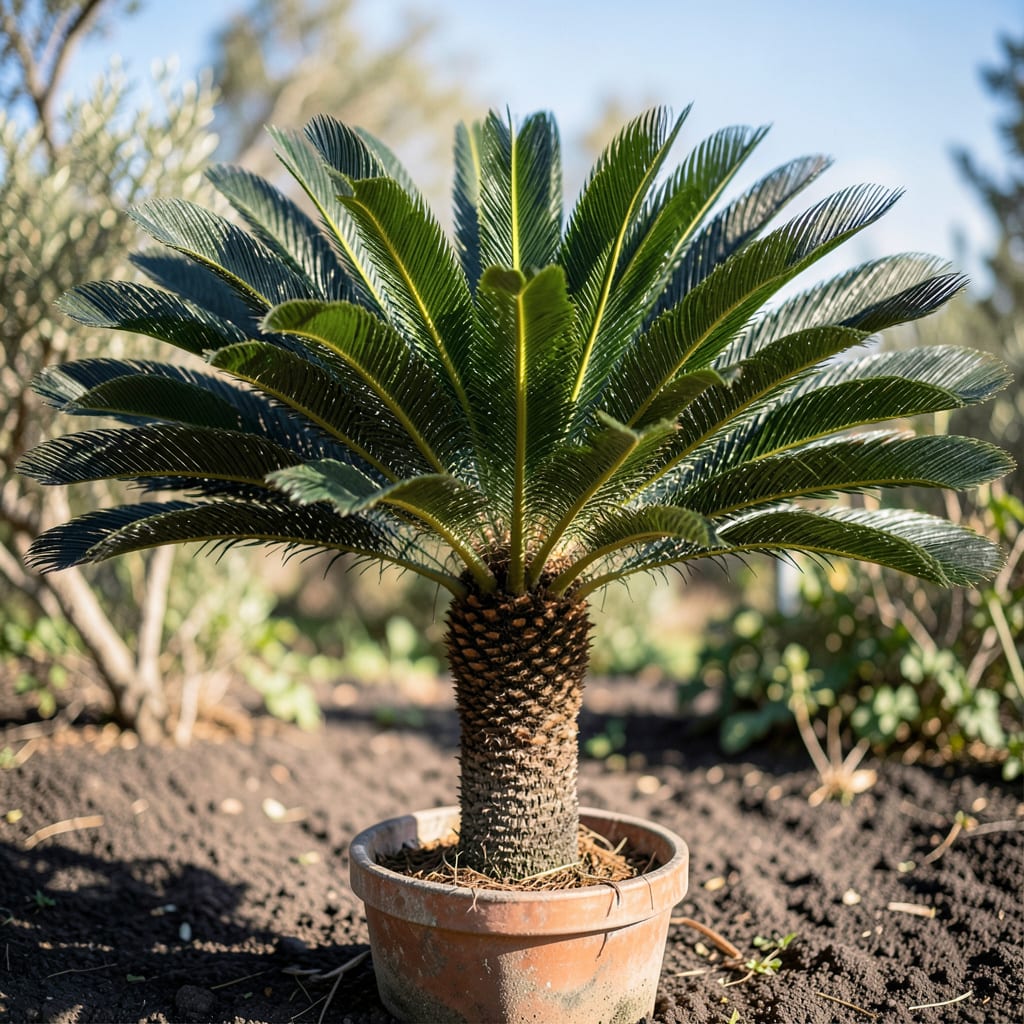
Ever wondered just how tall a Tall 🌱 can get? I was amazed when I saw it stretch beyond my expectations in my General garden, and I’m ready to share the secrets.
In the next 5 minutes I’ll show you how to gauge growth, boost height faster, and learn how to prune for a perfect look, so your Tall 🌱 thrives year after year.
Ever wondered just how tall a sago palm can get? I’ve watched my own palms stretch from a modest 2 ft seedling to a towering centerpiece, and I’m excited to share the numbers and tricks that shape that growth. 🌱
In general, a mature sago palm reaches anywhere between 3‑6 ft tall, depending on variety and environment. Dwarf cultivars hover around 2‑3 ft, while standard types can match the height of an adult person. Let’s break down what influences those figures.
When grown indoors, pot size becomes the primary limiter. A 10‑gal container usually caps growth at around 3‑4 ft. Upsizing the pot every two years encourages a taller, sturdier stem, but beware of over‑watering in larger volumes.
Outdoors, sago palms thrive in open soil where roots can spread. In my garden, a well‑spaced palm reached 6 ft within three seasons, thanks to ample full‑sun exposure and room to expand. 🌞
Climate matters too. Zones 6‑9 provide the ideal temperature range for steady growth. In cooler areas, growth slows to 1‑2 ft per year, while warm zones can push 2‑3 ft annually.
Container‑grown palms benefit from a well‑draining mix of peat, perlite, and coarse sand. This prevents root rot and mimics the airy texture of garden soil, allowing the plant to allocate energy toward vertical growth instead of recovery.
Light is a game‑changer. I’ve observed that palms receiving 6‑8 hours of direct sun grow 15‑20% faster than those in filtered light. If you lack a sunny window, supplement with a grow light set to 5000 K for best results.
Consistent watering paired with a balanced 5‑10‑10 fertilizer every 2‑3 weeks fuels rapid height gains. Over‑watering, however, leads to soggy roots and stunted growth, so let the top inch dry before the next soak. 💧
Pruning isn’t about cutting height but shaping the crown. I trim only dead fronds and thin overcrowded leaves, which redirects nutrients to the main stem and promotes a taller, cleaner silhouette. A light annual trim keeps the palm looking elegant.
In summary, expect a sago palm to reach 5‑6 ft outdoors and 3‑4 ft indoors under optimal care. Adjust pot size, light, soil, and feeding to nudge the plant toward its maximum potential, and you’ll enjoy a striking tropical accent for years. 🌿
I love watching a sago palm stretch toward the ceiling, and I’ve learned a few tricks that help it reach its full height. In this section I’ll share the tall sago palm vertical growth care steps that turn a modest plant into a towering tropical accent. 🌱
First, light is the biggest driver of vertical growth. I keep my palms in a bright light south‑facing spot that delivers 6‑8 hours of direct sun, or I supplement with a grow light for indoor setups. Consistent bright light adds 15‑20% more height.
Bright light, well‑draining soil, regular feeding, and periodic repotting are the four pillars that maximize a sago palm’s height.
Watering correctly keeps the roots healthy and the stem upright. I water when the top inch of soil feels dry, delivering enough moisture to soak the root zone but allowing excess to drain excess. This proper watering dry top inch routine prevents soggy roots that stunt growth. 💧
A well‑draining mix is non‑negotiable for height. I blend equal parts peat, perlite, sand, which mimics the airy texture of garden soil and encourages root depth. Rich, loose media lets the plant allocate energy upward instead of fighting rot.
Feeding supplies the nutrients needed for rapid stem elongation. I apply a balanced 5‑10‑10 fertilizer every 2‑3 weeks during the growing season, focusing on phosphorus boost to enhance root growth. I always stick to the recommended rate to avoid leaf burn.
Strategic pruning shapes the crown and redirects growth upward. I remove dead or yellow fronds and thin out crowded leaves twice a year, usually in early spring and late summer. This light crown shaping improves airflow and provides a nutrient channel to the main stem.
When the palm outgrows its container, I move it to a bigger container with fresh mix to stimulate new root growth. I ensure the clear drainage holes stay unobstructed and repot every two to three years. A larger root ball translates directly to added height.
By mastering light, water, soil, feed, pruning, and repotting, you give your sago palm every advantage to achieve its maximum stature. I’ve seen plants jump from 3 ft to 6 ft in just a few seasons when these consistent care steps are followed. 🌿
I’ve seen enthusiastic beginners unintentionally choke their sago palm, and the results are disappointing. In my garden, a few simple oversights turned a healthy plant into a stunted one. Let’s explore the most common mistakes and how to avoid them. 🌱
Often the first error is ignoring the plant’s watering needs. I used to water whenever the soil looked dry on the surface, which left the roots soggy. That habit quickly leads to root rot and limits vertical growth. Pay attention to moisture depth.
Common mistakes can quickly stunt growth. Avoid over‑watering, low light, nutrient gaps, and pest infestations to keep your sago palm thriving.
✅ Over‑watering is the #1 growth stunner. I learned that watering when the top inch feels dry prevents waterlogged roots. Use a moisture meter or stick your finger in the soil; if it’s still damp, hold off. This simple check can save inches of height.
☀️ Insufficient light keeps a sago palm from reaching its full stature. I once placed a palm near a north‑facing window and it stayed under 2 ft. Move it to a south‑facing spot or add a grow light for 6‑8 hours daily.
🌿 Nutrient deficiency slows stem elongation. I noticed pale fronds and weak growth when I skipped feeding for a season. Apply a balanced 5‑10‑10 fertilizer every 2‑3 weeks during spring and summer, focusing on phosphorus to boost root development and height.
🐛 Me
Under ideal conditions a sago palm reaches 3‑6 ft outdoors and about 3‑4 ft indoors. Dwarf varieties stay around 2‑3 ft, while standard types can match the height of an adult person.
Most short growth stems from insufficient light or a cramped pot. Full‑sun exposure of 6‑8 hours and a container larger than 10 gal let roots expand, promoting vertical growth.
Feed with a balanced 5‑10‑10 fertilizer every 2‑3 weeks during spring and summer, and repot into fresh, well‑draining mix every two years. Trim only dead fronds to keep energy directed upward.
Prune in early spring just before new shoots emerge. Remove wilted or overcrowded fronds, then step back and shape the crown. This timing encourages fresh growth that adds height throughout the season.
Use a 1:1:1 blend of peat moss, perlite, and coarse sand. This mixture mimics airy garden soil, improves drainage, and prevents root rot, allowing the plant to allocate energy to vertical stem development. Aim for a pH around 6‑7.
