
Beautiful Plants For Your Interior
Beautiful Plants For Your Interior
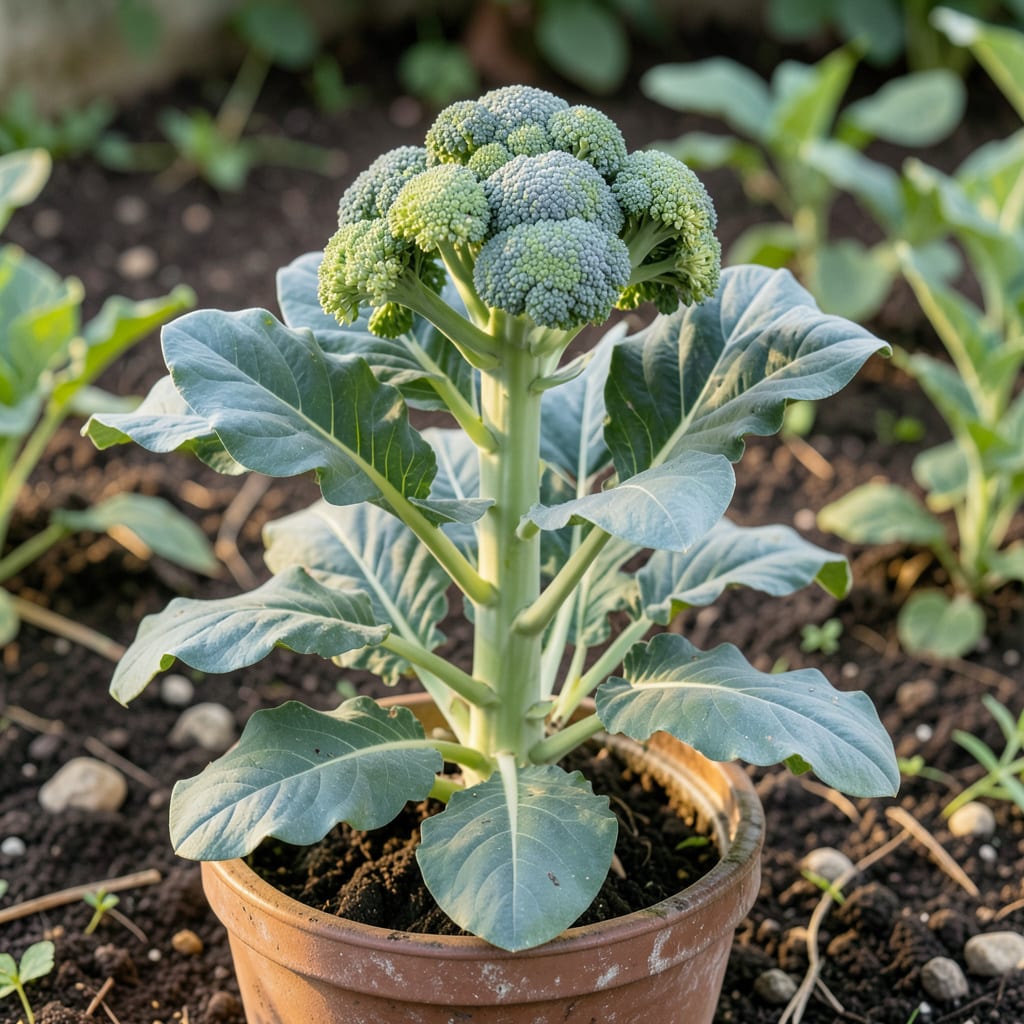
I’ve always been fascinated by how surprisingly tall Purple Sprouting Broccoli 🥦 can grow. In ideal conditions, it can reach heights of 2-3 feet, making it a dramatic addition to any garden.
Growing this beautiful vegetable requires understanding its growth habits and providing the right conditions. Let’s explore what makes Purple Sprouting Broccoli thrive and how you can encourage it to reach its full potential height.


Purple sprouting broccoli is known for its impressive height, typically growing between 2-3 feet tall. This height range makes it a striking addition to any garden, providing both beauty and nutrition.
The growth pattern of purple sprouting broccoli is quite unique. It’s a cool-season crop that thrives in temperate climates, producing multiple flowering shoots over several months. This characteristic allows for a prolonged harvest period, making it a favorite among gardeners.
The mature height of purple sprouting broccoli is influenced by several factors, including soil quality, climate conditions, and gardening practices. Gardeners can expect their plants to reach their full height within 60-90 days after planting, depending on these factors.
Understanding these height expectations is crucial for planning your garden layout and ensuring proper spacing between plants. Purple sprouting broccoli needs adequate space to grow and receive sufficient sunlight, so spacing plants 18-24 inches apart is recommended.
Several factors can influence the ultimate height of purple sprouting broccoli plants. Soil quality plays a significant role, as well-draining, nutrient-rich soil promotes healthy growth. Climate conditions, such as temperature and moisture levels, also impact plant height.
Gardening practices, including fertilization and watering, can significantly affect the height of purple sprouting broccoli. Regular feeding with a balanced fertilizer and consistent moisture levels help promote vigorous growth and optimal height.
Purple sprouting broccoli is a cool-season crop, thriving in temperatures between 60-70°F (15-21°C). Temperatures that are too high or too low can impact plant growth and height.
Moisture levels are also critical, as consistent moisture promotes healthy growth. However, waterlogged soil can be detrimental, so ensuring good drainage is essential.
In addition to soil and climate, gardening practices such as pruning and staking can influence plant height. Removing lower leaves can improve air circulation and promote healthier growth, while staking can help support tall plants.
By understanding the factors that influence purple sprouting broccoli height and providing optimal growing conditions, gardeners can encourage their plants to reach their full potential. This not only enhances the garden’s aesthetic appeal but also maximizes the harvest.
With proper care and attention, purple sprouting broccoli can be a rewarding addition to any garden, providing a bountiful harvest of delicious, nutritious florets.
To maximize the height and productivity of purple sprouting broccoli, gardeners should focus on creating optimal growing conditions. This includes providing full sun, maintaining consistent moisture, and ensuring good soil quality.
The height of purple sprouting broccoli is influenced by several key factors, including soil quality, climate conditions, and gardening practices. Understanding these elements is crucial for gardeners who want to optimize their plant’s growth.
Soil quality plays a significant role in determining the height of purple sprouting broccoli. The ideal soil is well-draining and rich in nutrients, which supports healthy root development and overall plant growth.
Well-draining, nutrient-rich soil is essential for optimal growth. Test your soil regularly and amend as necessary to ensure it remains fertile and drains properly.
Climate conditions are another critical factor affecting the height of purple sprouting broccoli. This plant thrives in temperate climates with moderate temperatures and adequate moisture.
Temperature is particularly important, as purple sprouting broccoli prefers temperatures between 60-70°F (15-21°C). Extreme temperatures can hinder growth and reduce the plant’s overall height.
Moisture levels also impact the plant’s height. Consistent moisture is essential, but waterlogged soil can be detrimental. Ensuring good drainage and avoiding overwatering are key to promoting healthy growth.
In addition to soil and climate, gardening practices such as fertilization and pruning can significantly influence the height of purple sprouting broccoli. Regular feeding with a balanced fertilizer supports vigorous growth, while pruning can help control the plant’s shape and promote healthier development.
By understanding and managing these factors, gardeners can create optimal conditions for their purple sprouting broccoli, encouraging it to reach its full potential height and maximizing their harvest.
To further support healthy growth, gardeners should also consider spacing their plants appropriately. Purple sprouting broccoli needs adequate space to grow and receive sufficient sunlight, so spacing plants 18-24 inches apart is recommended.
With the right combination of good soil quality, favorable climate conditions, and proper gardening practices, purple sprouting broccoli can thrive and reach its expected height of 2-3 feet, providing a bountiful harvest of delicious and nutritious florets 🌿.
To achieve optimal height in purple sprouting broccoli, gardeners must focus on providing proper care throughout the growing season. This involves several key practices that support healthy growth and maximize plant height.
Ensure soil is well-draining and rich in organic matter. Regular soil testing helps maintain optimal nutrient levels.
Water plants every 3-4 days during dry periods. Mulching helps retain soil moisture and suppress weeds.
Feed plants with a balanced fertilizer every 4-6 weeks. This supports vigorous growth and optimal height development.
By implementing these key care practices, gardeners can significantly enhance the growth and height of their purple sprouting broccoli plants. Regular maintenance and attention to the plant’s needs are crucial for achieving the best results 🌿.
Proper spacing is also vital for maximizing height. Planting purple sprouting broccoli 18-24 inches apart allows for adequate air circulation and sunlight penetration, promoting healthier growth.
In addition to these practices, monitoring for pests and diseases is essential. Regular inspections help identify issues early, allowing for timely intervention and preventing damage that could impact plant height.
With consistent care and attention to these details, gardeners can enjoy a bountiful harvest of delicious, nutritious purple sprouting broccoli, reaching heights of 2-3 feet as expected.
Purple sprouting broccoli usually grows between 2-3 feet tall, making it a striking addition to any garden. The exact height can vary depending on factors like soil quality and climate conditions. Proper care can help it reach its full potential height.
Several factors affect the height of purple sprouting broccoli, including soil quality, climate conditions, and gardening practices. Well-draining, nutrient-rich soil and consistent moisture promote healthy growth. Temperatures between 60-70°F (15-21°C) are ideal.
To maximize height, focus on providing optimal growing conditions. This includes maintaining well-draining soil, providing consistent moisture, and fertilizing regularly with a balanced fertilizer. Proper spacing (18-24 inches apart) also helps.
Yes, purple sprouting broccoli is a cool-season crop, thriving in temperate climates with moderate temperatures. It prefers temperatures between 60-70°F (15-21°C) and consistent moisture, making spring or early fall ideal for planting.
