
Beautiful Plants For Your Interior
Beautiful Plants For Your Interior
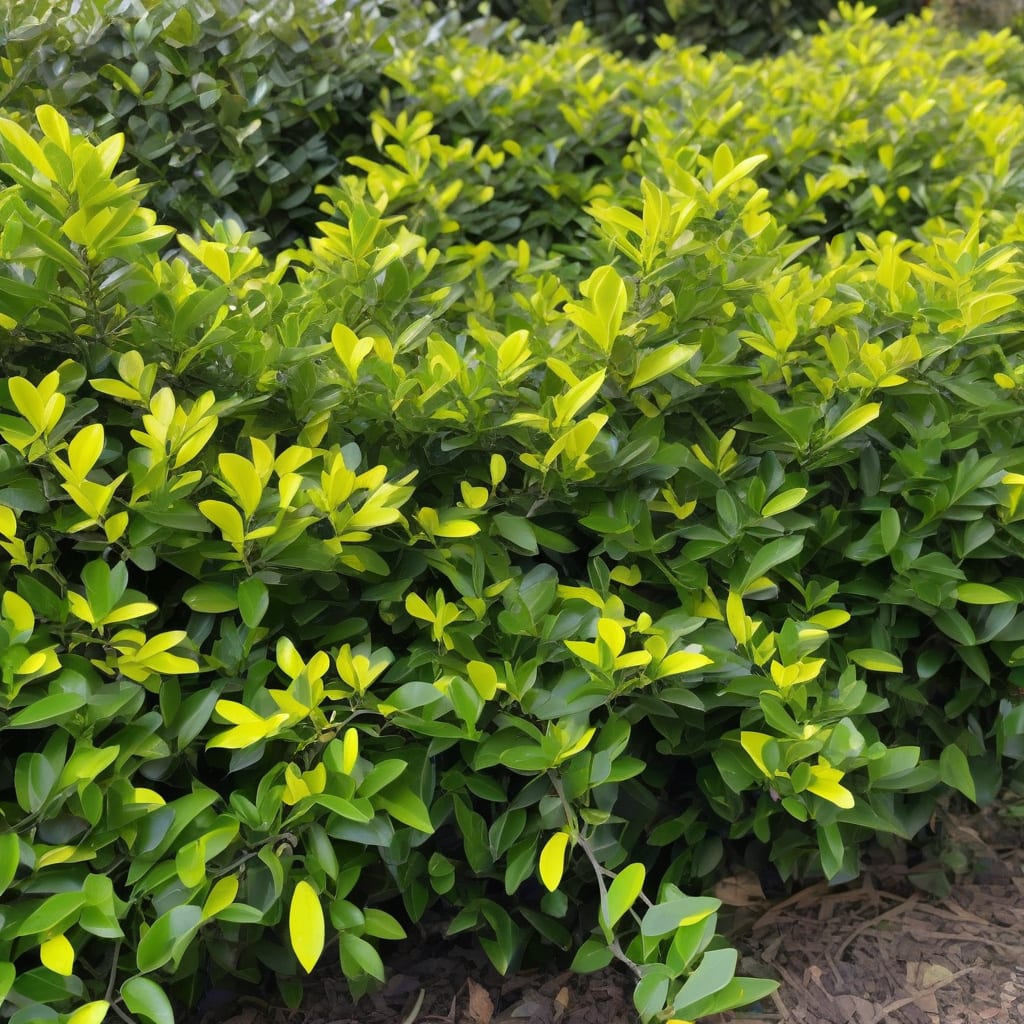
When planting Privet 🌿 in your garden, understanding its growth potential is crucial for achieving the desired landscape. Privet can grow between 6 to 15 feet tall, depending on the variety and growing conditions.
In USDA Zone 6, where Privet is commonly found, it can thrive with proper care. I’ll guide you through the factors that influence its height and provide tips on how to maintain your Privet at the perfect size for your garden.

Privet is known for its versatility and rapid growth, making it a popular choice for hedges and privacy screens. The height to which privet can grow varies significantly based on several factors 🌿.
Understanding these factors is crucial for gardeners who want to manage their privet effectively. The maximum height of privet is influenced by its species, growing conditions, and maintenance practices.
The average growth rate of privet is 1-2 feet per year under optimal conditions. This makes it an excellent choice for quickly establishing privacy screens or hedges.
To achieve the desired height, it’s essential to consider the specific growing conditions and maintenance routine. For instance, privet grown in full sun and well-draining soil will generally grow taller than those in shaded or poorly drained areas 🌻.
Understanding these factors helps gardeners make informed decisions about planting and caring for their privet. Proper care and maintenance are key to achieving the desired height and overall health of the plant.
Privet’s adaptability to different environments and its response to pruning make it a versatile option for various garden designs. Whether used as a formal hedge or a natural screen, privet can be tailored to meet specific height requirements.
The maximum height of privet is not just determined by its genetic potential but also by how well it is cared for. Factors such as regular watering, fertilization, and pruning play crucial roles in its growth.
By understanding and managing these factors, gardeners can ensure their privet reaches its full potential while maintaining the desired height and shape. This makes privet a reliable and attractive option for gardeners seeking privacy and structure 🌿.
In summary, privet’s growth patterns and maximum height are influenced by a combination of species variation, growing conditions, and maintenance practices. By carefully managing these factors, gardeners can achieve their desired outcomes.
When it comes to managing privet height, gardeners have several options to consider. The key is to understand the pruning techniques and growth control methods that work best for your specific garden needs 🌿.
Privet is known for its rapid growth, so regular maintenance is essential. By understanding how to prune and care for your privet, you can achieve the desired height and shape for your garden.
Before you start pruning, decide on the height you want to maintain. Consider factors like privacy needs and garden aesthetics.
Prune your privet at least once a year, ideally during the dormant season, to maintain the desired height and promote healthy growth.
Use sharp, clean pruning tools to make precise cuts. This helps prevent damage to the plant and promotes faster healing.
By following these steps, you can effectively manage your privet’s height and maintain a beautiful, healthy hedge. Regular pruning not only controls the height but also encourages denser foliage and a more robust plant 🌻.
It’s also important to consider the growth rate of your privet when planning your pruning schedule. Privet can grow 1-2 feet per year, so regular checks are necessary to keep it at the desired height.
In addition to pruning, other factors like soil quality and sunlight exposure can impact privet’s growth. Ensuring your privet is in optimal growing conditions will help you achieve your desired height more efficiently.
For gardeners looking to create a formal hedge, regular pruning is crucial. It not only maintains the height but also shapes the privet into a neat, uniform appearance.
On the other hand, if you’re aiming for a more natural look, you can adopt a less frequent pruning schedule. This allows the privet to grow slightly taller and maintain a more relaxed shape.
Ultimately, the key to managing privet height is consistent care and attention. By understanding your privet’s growth patterns and using the right pruning techniques, you can achieve the perfect height for your garden 🌿.
Different privet species exhibit varying growth characteristics, making it essential to understand these differences when planning your garden 🌿.
The most common privet species used in gardening are Ligustrum ovalifolium and Ligustrum vulgare. Each has its unique growth patterns and maximum heights.
When choosing a privet species, consider your garden’s specific needs and the level of maintenance you’re willing to commit to 🌻.
Ligustrum ovalifolium is known for its rapid growth and ability to reach greater heights, making it ideal for creating dense privacy screens or hedges.
Ligustrum vulgare, on the other hand, offers a more compact growth habit and can be a better choice for smaller gardens or where a slightly smaller hedge is desired.
Understanding these differences helps you select the most appropriate privet species for your garden’s unique requirements 🌿.
By choosing the right privet species and providing proper care, you can achieve the desired height and density for your hedge or screen.
Regular maintenance, including pruning, will help maintain the health and appearance of your privet, regardless of the species you choose.
In summary, privet height variations are influenced by species and cultivation practices. By understanding these factors, gardeners can make informed decisions when selecting and caring for their privet 🌿.
