
Beautiful Plants For Your Interior
Beautiful Plants For Your Interior
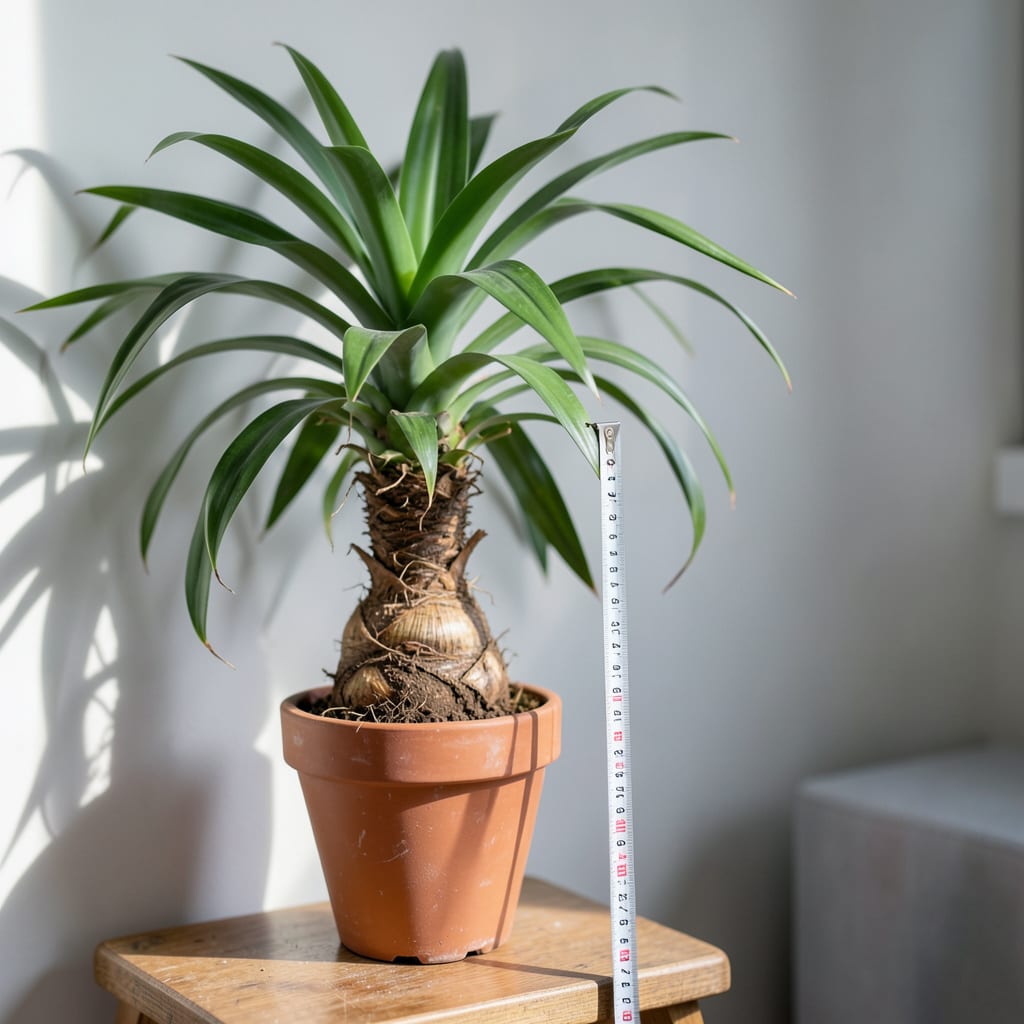
As I care for my Ponytail Palm 🌵, I’m often asked about its growth potential. The truth is, understanding how tall this unique plant can grow is crucial for providing the right care.
In optimal conditions, Ponytail Palms can reach heights of 8-10 feet, making them a striking addition to any indoor or outdoor space in USDA Zone 6. Let’s explore what influences their growth and how to support their development.


Ponytail palms are known for their unique growth patterns and impressive height potential. In their natural habitat, these plants can grow quite tall, making them a striking addition to any landscape or indoor space 🌵.
The maximum height of a ponytail palm varies depending on the growing conditions. In ideal circumstances, they can reach heights of 8-10 feet, with some specimens growing even taller in exceptional cases.
The ponytail palm’s growth is influenced by factors such as light exposure, watering frequency, and soil quality. Providing optimal conditions can help the plant reach its full height potential.
In indoor settings, ponytail palms typically grow slower and may not reach their maximum height due to limited light and space constraints. However, with proper care, they can still achieve impressive heights of 3-6 feet.
Outdoor, in their native environment, these plants can grow much taller, sometimes reaching heights of over 10 feet in USDA Zone 6. The warm climate and ample sunlight in these regions support their vertical growth.
It’s worth noting that ponytail palms are slow-growing plants, especially when grown indoors. Their growth rate is typically around 1-2 feet per year, making them a low-maintenance option for those who prefer plants that don’t require frequent pruning or repotting.
To support the healthy growth of your ponytail palm, ensure it receives bright, indirect light and maintain a consistent watering schedule. Avoid overwatering, as this can lead to root rot and stunt the plant’s growth.
Ponytail palms are also known for their ability to thrive in containers, making them a versatile option for indoor decor. When grown in pots, they can be easily moved to different locations to optimize their light exposure and growth.
Overall, the ponytail palm is a resilient and adaptable plant that can add a touch of tropical elegance to any space. By understanding its growth potential and providing the right care, you can enjoy this beautiful plant for years to come 🌿.
For more specific guidance on caring for your ponytail palm, consider consulting with a local gardening expert or conducting further research on the specific needs of this unique plant.
By following these tips and providing the right conditions, you can help your ponytail palm reach its full potential and enjoy its beauty for years to come.
The height of a ponytail palm is influenced by several key factors that gardeners should consider to optimize growth 🌵.
Light exposure plays a crucial role in determining the height of a ponytail palm. These plants thrive in bright, indirect light, which promotes healthy growth and development.
Light exposure, watering frequency, soil quality, and container size all impact the height of a ponytail palm.
Watering frequency is another critical factor. Ponytail palms are drought-tolerant, but consistent moisture promotes healthier growth. Overwatering can lead to root rot and stunt the plant’s growth.
The quality of the soil also affects the plant’s height. Well-draining soil is essential to prevent waterlogged conditions that can harm the roots.
Container size can limit or support the growth of the ponytail palm. A larger pot provides more room for root development, potentially leading to a taller plant.
Understanding these factors helps gardeners create optimal conditions for their ponytail palms to reach their full height potential 🌱.
By adjusting these elements, you can encourage your ponytail palm to grow stronger and taller over time.
Regular monitoring and adjustments to these factors will help maintain the health and vigor of your ponytail palm.
For more detailed guidance on caring for your ponytail palm, consider consulting with a local gardening expert or conducting further research.
Managing the height of your ponytail palm is crucial for maintaining its aesthetic appeal and overall health 🌵.
To control the height of your ponytail palm, you can employ several strategies. Pruning is an effective method to maintain a desired height. By removing the top growth, you can encourage the plant to grow more bushily rather than tall.
When pruning, make clean cuts just above a node to promote healthy regrowth.
Repotting is another way to influence the height of your ponytail palm. Transferring the plant to a larger container can provide more room for root growth, potentially leading to a taller plant.
Environmental adjustments also play a significant role. Ensuring your ponytail palm receives adequate light and maintaining optimal watering and fertilization practices can support healthy growth.
Outdoors, ponytail palms can grow taller due to more abundant light and space. However, they still require proper care to thrive.
Indoors, maintaining a consistent environment with bright, indirect light and careful watering can help control the plant’s height.
By combining these strategies, you can effectively manage the height of your ponytail palm, whether it’s indoors or outdoors 🌱.
Regular monitoring and adjustments will help maintain the health and desired height of your ponytail palm.
Ponytail palms typically grow to be between 8-10 feet tall when mature. In ideal conditions, some specimens can reach even greater heights. Their slow growth rate means they can take many years to reach maximum height.
Ponytail palms are considered slow-growing plants, especially when grown indoors. They typically grow about 1-2 feet per year. This slow growth rate makes them a low-maintenance option for indoor gardening.
Yes, you can influence the height of your ponytail palm through various methods. Pruning is an effective way to maintain a desired height, while repotting into a larger container can potentially lead to taller growth. Adjusting light exposure and maintaining optimal watering practices also play crucial roles.
Yes, indoor ponytail palms often grow slower and may not reach their full height potential due to limited light and space constraints. Typically, they achieve heights of 3-6 feet when grown indoors with proper care.
