
Beautiful Plants For Your Interior
Beautiful Plants For Your Interior
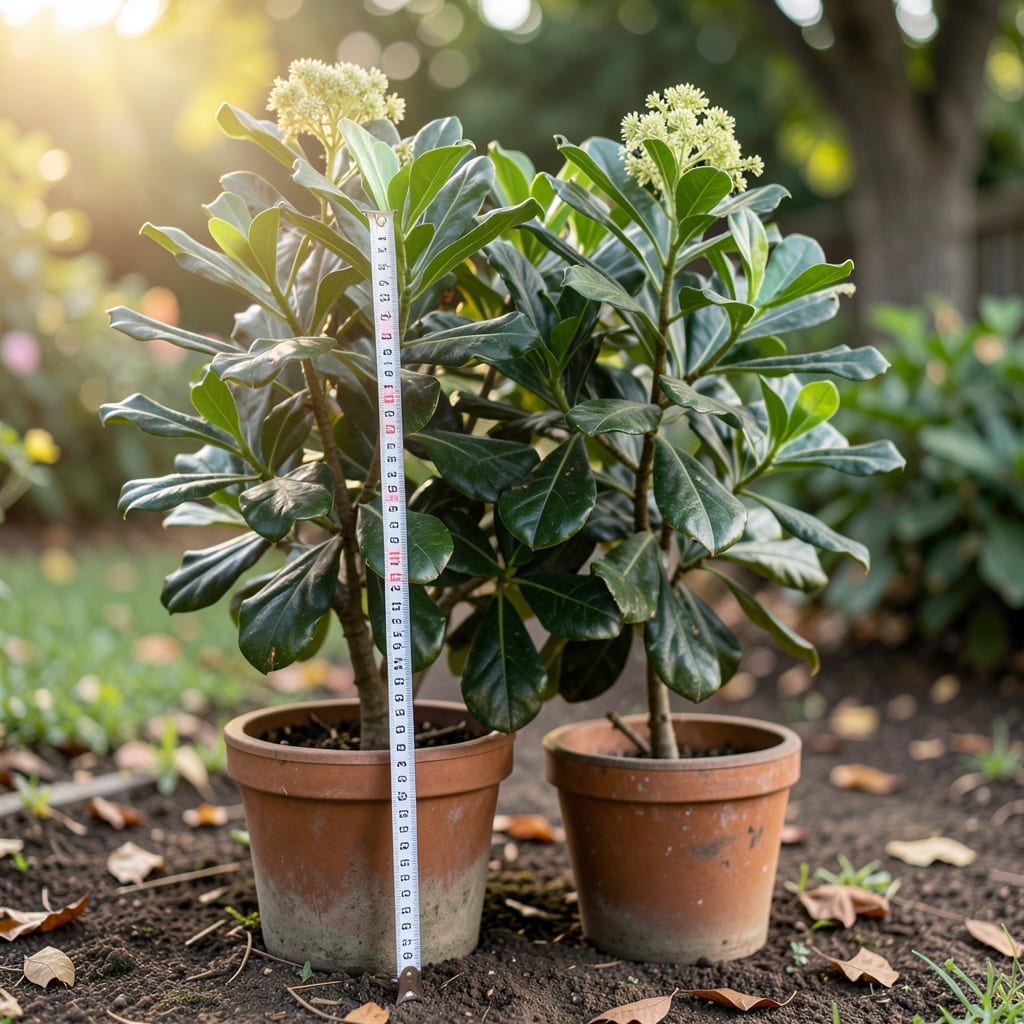
When planning your garden, understanding the growth patterns of your chosen plants is crucial. Pittosporum 🌳, known for its attractive foliage, can grow to varying heights depending on several factors.
In USDA Zone 6, Pittosporum can reach heights between 4 to 15 feet. I’ll guide you through the factors that influence its growth and how to manage its height effectively.


Pittosporum height is influenced by various environmental and cultural factors. Understanding these elements helps gardeners create optimal conditions for their plants. The right combination of factors can significantly impact the plant’s overall health and size 🌳.
Several key factors affect Pittosporum growth: soil quality, sunlight exposure, watering practices, and pruning techniques. Each of these elements plays a crucial role in determining the plant’s mature height and overall development.
Soil quality is fundamental to Pittosporum’s growth. The plant thrives in well-draining soil rich in organic matter. Amending the soil with compost or other organic materials can enhance its fertility and drainage, supporting healthier root development 🌱.
Sunlight exposure is another critical factor. Pittosporum prefers full sun to partial shade. In regions with intense sunlight, some afternoon shade can prevent leaf scorch. Adequate sunlight promotes dense foliage and robust growth.
Proper watering practices are essential, especially during the plant’s growing season. Pittosporum requires consistent moisture, but overwatering can lead to root rot. Ensuring the soil drains well helps prevent waterlogged conditions.
Pruning is a vital maintenance task that directly influences Pittosporum’s height. Regular pruning not only maintains the desired size but also encourages bushier growth. Pruning should be done in late spring or early summer to shape the plant effectively.
By understanding and managing these factors, gardeners can influence Pittosporum’s height growth and overall health. Proper care tailored to the plant’s needs results in a thriving, well-shaped specimen that enhances any garden 🌿.
Effective garden planning involves considering all these factors together. For instance, planting Pittosporum in a location with optimal sunlight and soil conditions, and maintaining appropriate watering and pruning schedules, can lead to a healthier and more manageable plant.
In USDA Zone 6, Pittosporum typically grows between 4 to 15 feet tall. By adjusting the growth factors, gardeners can achieve their desired height within this range.
Regular monitoring of the plant’s response to its environment allows for adjustments in care practices. This proactive approach ensures that Pittosporum remains healthy and reaches its full potential height.
With the right conditions and care, Pittosporum can be a versatile and attractive addition to any garden, providing beautiful foliage and a robust presence.
Pittosporum plants come in various species and cultivars, each with its own growth characteristics. Understanding these differences helps gardeners choose the right variety for their space 🌳.
The height of Pittosporum can vary significantly between different varieties. Some compact cultivars remain relatively small, while standard types can grow much taller.
The compact varieties of Pittosporum are perfect for smaller gardens or when used as hedges. They typically grow between 4 to 6 feet tall, making them ideal for tight spaces 🌿.
Semi-dwarf varieties offer a middle ground, reaching heights of 6 to 9 feet. These are suitable for medium-sized landscapes where a moderate height is desired.
Standard varieties are the tallest, growing up to 10 to 15 feet. They are best suited for larger spaces or when used as specimen plants in expansive gardens.
When selecting a Pittosporum variety, consider the mature height to ensure it fits your garden’s spatial needs. This foresight helps in planning a balanced and aesthetically pleasing landscape 🏡.
Different Pittosporum varieties not only differ in height but also in other characteristics such as foliage density and growth rate. Choosing the right variety involves considering these factors alongside the desired height 🌻.
Gardeners should also be aware that while variety selection is crucial, environmental factors like soil quality and sunlight exposure will still influence the actual height achieved by the plant 🌞.
By understanding the maximum height potential of different Pittosporum varieties, gardeners can make informed decisions that enhance their garden’s design and functionality 🌳.
Effective pruning and maintenance are crucial for managing Pittosporum’s height and overall health. Regular pruning not only controls the plant’s size but also encourages denser foliage 🌿.
Pruning should be done in late spring or early summer when the plant is actively growing. This timing allows for shaping the plant effectively and promoting new growth 🌱.
Evaluate the Pittosporum’s current height and shape. Identify areas that need pruning to achieve the desired height and form.
Remove dead or damaged branches first. Then, selectively prune branches to maintain the desired height and encourage bushier growth.
Regular maintenance pruning helps keep Pittosporum at the desired height. Monitor the plant’s growth and prune as needed to maintain its shape.
Regular pruning not only controls the height but also improves the plant’s overall appearance. By removing dead or damaged branches, you enhance the plant’s health and aesthetics 🌻.
Pruning techniques can vary depending on the desired outcome. For maintaining height, focus on cutting back the tallest branches. For a denser appearance, prune the outer branches to encourage inward growth 🌱.
It’s essential to use clean and sharp pruning tools to prevent damaging the plant. Making clean cuts helps the plant heal quickly and reduces the risk of disease 🔧.
By incorporating regular pruning and maintenance into your gardening routine, you can effectively manage Pittosporum’s height and enjoy a well-shaped, healthy plant 🌳.
Consistent care and attention to pruning needs ensure that Pittosporum remains a beautiful and manageable addition to your garden, providing attractive foliage and a robust presence.
Pittosporum plants can grow between 4 to 15 feet tall, depending on the variety and growing conditions. Compact varieties reach 4-6 feet, while standard types can grow up to 10-15 feet. The height is influenced by factors like soil quality, sunlight, and pruning practices.
Several factors influence Pittosporum’s height, including soil quality, sunlight exposure, watering practices, and pruning techniques. Well-draining soil, adequate sunlight, and consistent moisture promote healthy growth. Regular pruning helps maintain the desired height and encourages bushier growth.
Yes, regular pruning is an effective way to manage Pittosporum’s height. Prune in late spring or early summer to shape the plant and encourage new growth. Remove dead or damaged branches first, then selectively prune to maintain the desired height. Use clean and sharp pruning tools to prevent damage.
Prune Pittosporum regularly, ideally once a year in late spring or early summer. Monitor the plant’s growth and prune as needed to maintain its shape and desired height. Regular maintenance pruning helps keep the plant healthy and well-shaped.
