
Beautiful Plants For Your Interior
Beautiful Plants For Your Interior
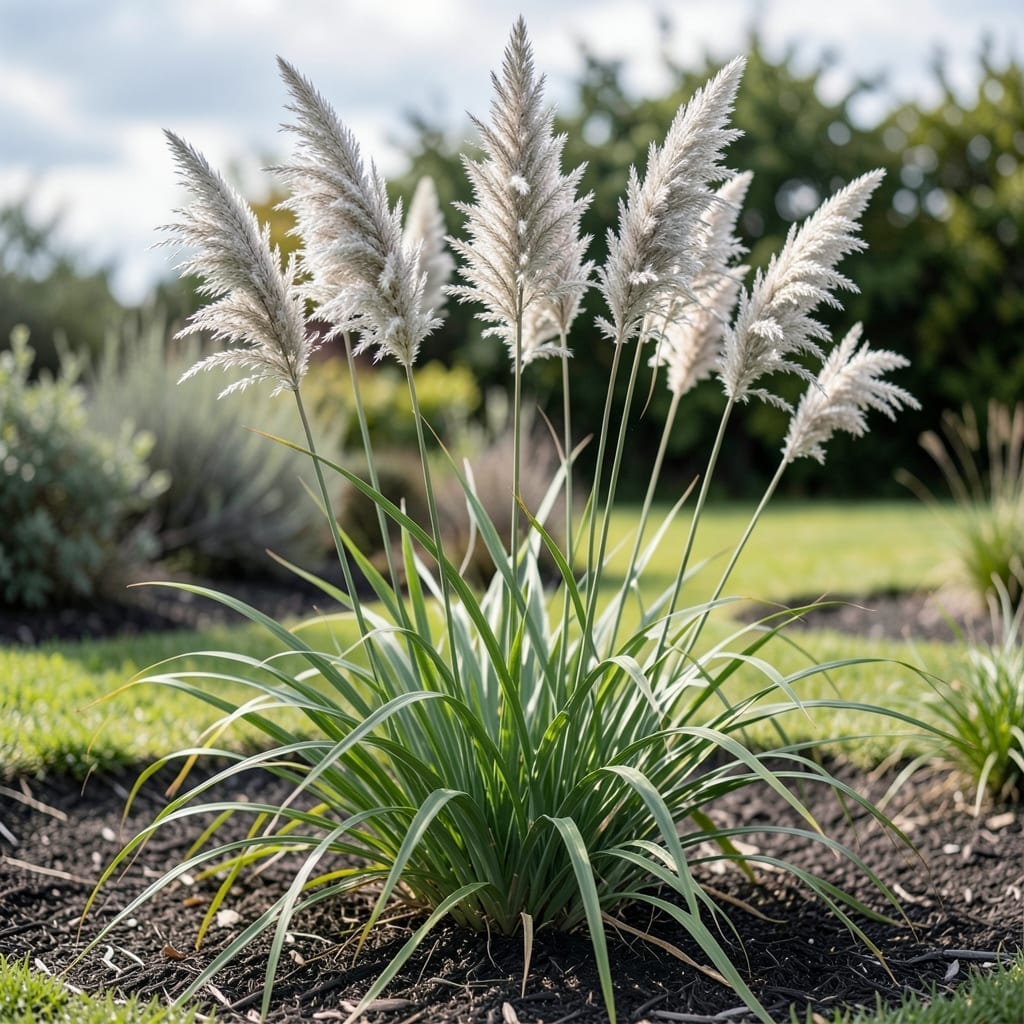
Pampas grass can transform your landscape with its towering plumes and lush foliage. But before planting, it’s essential to know just how tall this ornamental grass can grow.
I remember my first encounter with mature 🌾 Pampas Grass—its height completely reshaped my garden’s skyline. Understanding its potential size helps you plan the perfect spot and avoid future surprises.
From dwarf varieties to the standard giants, the height range varies significantly. Some reach modest 4-6 feet, while others can soar up to 10 feet tall under ideal conditions.
Let me guide you through what to expect and how to manage this impressive growth in your own outdoor space. You’ll be prepared to make the most of this striking plant.

If you’re considering pampas grass for your landscape, knowing its potential mature height is essential. This ornamental grass can grow 8 to 10 feet tall, creating a bold focal point in any garden. Its towering plumes add drama and privacy to outdoor spaces.
Not all pampas grass varieties reach the same height. Some stay compact, while others soar. Understanding these differences helps you choose the right type for your garden’s scale and design goals.
| Variety | Mature Height | Notes |
| Standard Pampas Grass | 8-10 ft | Classic tall variety, ideal for privacy screens |
| Dwarf Pampas Grass | 4-6 ft | Compact size, perfect for smaller gardens |
| Semi-Dwarf Pampas Grass | 4-10 ft | Versatile height range, adaptable to various spaces |
The standard pampas grass variety is the tallest, often reaching 10 feet or more under ideal conditions. This makes it perfect for creating natural barriers or adding vertical interest to large landscapes. Its feathery plumes can extend even higher.
Dwarf varieties stay more manageable at 4 to 6 feet, making them a great choice for smaller yards or container gardening. They still deliver the signature look of pampas grass without overwhelming the space.
Semi-dwarf types offer a middle ground, typically growing 4 to 10 feet depending on care and environment. This flexibility allows gardeners to tailor their planting to specific needs, whether for borders or accents.
Growth rates vary, but most pampas grass reaches its full height within 2 to 3 years. Early growth is rapid, especially with ample sunlight and well-draining soil. I’ve seen mine shoot up 2 to 3 feet in the first year alone.
Environmental factors like water availability and soil fertility also impact height. Regular fertilizing and deep watering encourage robust growth, while drought or poor soil can stunt development.
For the tallest plumes, plant in full sun and provide consistent moisture. Avoid crowded spaces, as pampas grass needs room to spread its 4 to 6-foot width. Proper spacing ensures healthy, upright growth.
If you’re aiming for privacy or a tropical feel, the standard variety is your best bet. For a more contained look, dwarf or semi-dwarf types offer the same beauty without the height commitment. Either way, pampas grass delivers year-round interest. 🌾
Managing pampas grass height starts with selecting the right cultivar for your space. Dwarf varieties like ‘Pumila’ stay compact at 4–6 feet, while standard types can tower to 10 feet. I always recommend measuring your area first.
Proper pruning techniques are essential for controlling growth. I trim my pampas grass in late winter before new growth starts, cutting back to 1–2 feet from the ground. This encourages healthy, manageable regrowth. ✂️
For gardeners with limited space, container planting is a smart solution. I’ve successfully grown dwarf pampas grass in large pots, which naturally restricts its height to 4–5 feet. Just ensure the container has good drainage.
Soil conditions also play a role in height control. Rich, well-draining soil encourages vigorous growth, while leaner soil may produce slightly shorter plants. I’ve noticed my pampas grass stays more compact in sandy soil compared to loamy beds. 🌱
Remember that over-fertilizing can lead to rapid, uncontrolled growth. I stick to a balanced fertilizer applied just once in spring, which maintains healthy growth without excessive height. This approach keeps my plants at a manageable 6–8 feet.
Finally, consider the microclimate in your garden. Pampas grass in warmer zones (USDA 8–11) tends to grow taller than in cooler areas. In my experience, plants in sheltered, sunny spots reach their maximum height potential faster. ☀️