
Beautiful Plants For Your Interior
Beautiful Plants For Your Interior
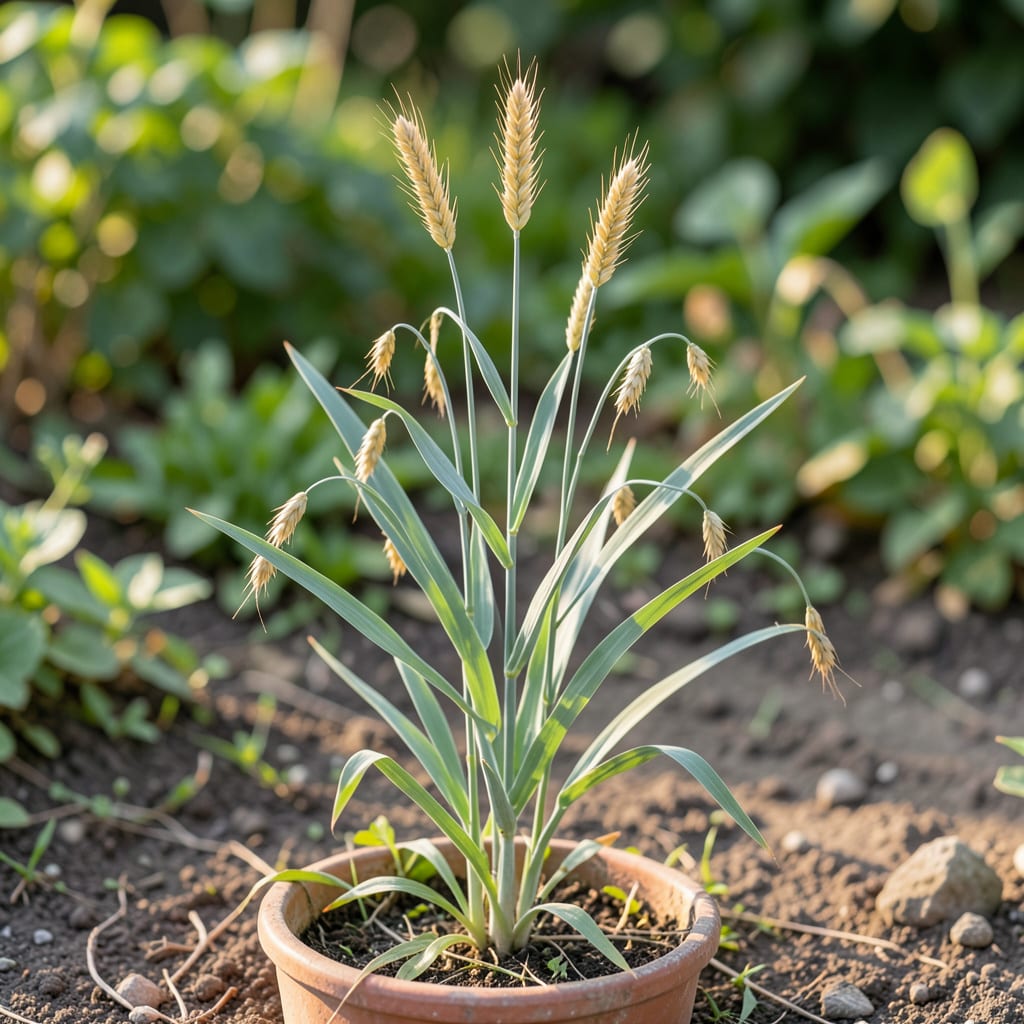
As I step into my garden, I’m always amazed by the sight of oats 🌾 growing tall and proud. Understanding how tall oats grow is crucial for optimizing cultivation practices and maximizing yield potential.
Oats typically grow between 2-4 feet tall, depending on factors like variety, soil quality, and climate conditions in USDA Zone 6. Let’s explore the factors that influence oat height and how to manage them for a successful harvest.

Understanding the factors that influence oat plant height is crucial for optimizing cultivation practices. The height of oat plants can vary significantly based on several key factors 🌾.
First, the variety of oats plays a significant role in determining plant height. Different oat varieties have been bred for specific characteristics, including height. For example, dwarf varieties are bred to be shorter, typically ranging from 2-3 feet tall, while standard varieties can grow much taller, reaching heights of 4-5 feet.
Soil quality is another critical factor that influences oat plant height. Oats grown in nutrient-rich soil, rich in organic matter and essential nutrients, tend to produce taller, healthier plants. Conversely, poor soil conditions can limit oat growth, resulting in shorter plants. Climate conditions, including temperature and rainfall patterns, also significantly impact oat height. Oats grown in regions with adequate moisture and moderate temperatures tend to grow taller than those in areas with drought or extreme temperatures.
Farming practices, such as planting density and nutrient management, further affect oat plant height. Proper management of these factors can help optimize oat height for maximum yield. For instance, adjusting planting density can prevent overcrowding, which can lead to reduced plant height due to competition for resources 🌿.
In conclusion, the height of oat plants is influenced by a combination of genetic, environmental, and management factors. By understanding and managing these factors, farmers can optimize oat cultivation for better yields. Effective management strategies include selecting the right variety, maintaining good soil quality, and implementing appropriate farming practices 🌱.
By focusing on these key areas, farmers can enhance the growth and productivity of their oat crops. This comprehensive approach ensures that oats reach their full potential height, contributing to a successful harvest 🌾.
Oat varieties exhibit a range of heights, influenced by their genetic makeup and growing conditions. Understanding these variations is essential for farmers to optimize their cultivation practices 🌾.
The height of oat plants can significantly impact their yield and management. Different varieties have been bred for specific characteristics, including height, to suit various farming needs and environments 🌿.
The height of oat varieties can be influenced by factors such as soil quality, climate conditions, and farming practices. For example, hulless oats typically grow between 2-3 feet tall and thrive in well-drained soil with full sun 🌞.
Winter oats are known for their cold tolerance and can grow taller, reaching heights of 3-4 feet in favorable conditions ❄️.
Spring oats generally range from 2.5-4 feet in height and prefer cool temperatures with adequate moisture ☁️.
Specialty oats can vary significantly in height depending on their specific characteristics and growing conditions 🌿.
By understanding the height characteristics of different oat varieties, farmers can make informed decisions about which varieties to plant and how to manage them for optimal yield 🌾.
Farmers should consider factors such as soil quality, climate conditions, and farming practices when selecting oat varieties and planning their cultivation strategies 📝.
Proper management of oat height can contribute to a successful harvest and maximize yield potential 🌾.
Effective management of oat height is crucial for maximizing yield potential. Farmers can employ several strategies to optimize oat height 🌾.
One key approach is adjusting planting density. Proper spacing between plants can prevent overcrowding, which can lead to reduced plant height due to competition for resources 🌿.
Adjust planting density to prevent overcrowding and promote healthy growth.
Implement balanced nutrient management to support optimal oat height.
Consider using growth regulators to control oat height and improve yield.
By implementing these strategies, farmers can effectively manage oat height and maximize yield potential 🌾.
Proper management of oat height not only improves yield but also enhances crop resilience to environmental stresses 🌿.
Farmers should consider factors such as soil quality, climate conditions, and farming practices when managing oat height 📝.
By focusing on these key areas, farmers can optimize oat cultivation for better yields and a successful harvest 🌾.
Oats usually grow between 2-4 feet tall, depending on the variety and growing conditions. Some dwarf varieties can be as short as 2 feet, while standard varieties can reach up to 4-5 feet. The height can vary based on factors like soil quality and climate .
Soil quality plays a significant role in determining oat height. Oats grown in nutrient-rich soil with adequate organic matter and essential nutrients tend to be taller and healthier. Poor soil conditions can limit growth, resulting in shorter plants .
Yes, climate conditions significantly affect oat height. Oats grown in regions with adequate moisture and moderate temperatures tend to grow taller than those in areas with drought or extreme temperatures. Weather patterns and temperature fluctuations can influence growth .
Farmers can manage oat height by adjusting planting density, implementing balanced nutrient management, and considering the use of growth regulators. Proper spacing and nutrient management can prevent overcrowding and support optimal height for maximum yield .
