
Beautiful Plants For Your Interior
Beautiful Plants For Your Interior
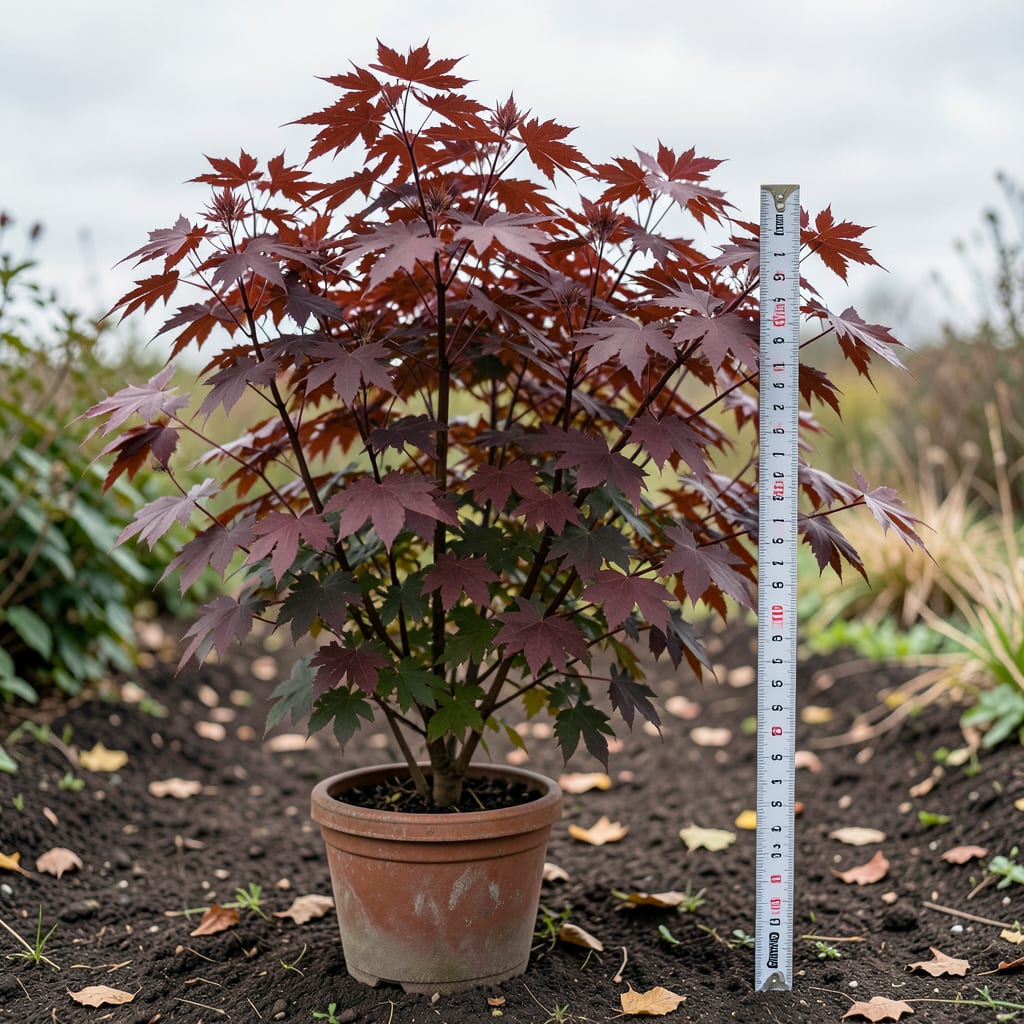
When I first planted my Ninebark 🌳, I wondered how tall it would grow. Understanding its growth potential is crucial for proper placement and care in your garden.
Ninebark can grow between 4 to 10 feet tall, depending on the variety and growing conditions in your USDA Zone 6a garden. Let’s explore how to manage its height effectively.


Ninebark is a versatile shrub known for its vibrant foliage and beautiful flowers, but understanding its mature height and growth patterns is essential for proper garden planning. The height of Ninebark can vary significantly based on the specific variety and growing conditions 🌳.
Generally, Ninebark shrubs can grow between 4 to 10 feet tall. Some compact varieties remain smaller, while others can reach the upper end of that range or even exceed it under ideal conditions. Factors such as soil quality, sunlight, and pruning practices play a crucial role in determining the ultimate height of the plant.
The growth rate of Ninebark is typically moderate, with most plants growing about 1-2 feet per year until they reach maturity. The mature height is usually achieved within 3-5 years under optimal growing conditions.
Understanding the mature height of Ninebark is crucial for garden planning. It helps in deciding the right placement and spacing between plants. Proper spacing ensures good air circulation, which is vital for the health of the shrub 🌿.
Ninebark shrubs are known for their dense growth habit, which makes them excellent for use as hedges or privacy screens. Their height and spread can be managed with regular pruning, allowing gardeners to maintain the desired height and shape of the plant.
To achieve the best growth and maintain the desired height, it’s essential to provide Ninebark with the right growing conditions. This includes well-draining soil and adequate sunlight. Most varieties prefer full sun to partial shade 🌞.
Regular monitoring of the plant’s growth is necessary to determine if it’s reaching the expected height. Factors such as nutrient availability and watering practices can significantly impact growth rates.
In summary, Ninebark is a versatile shrub that can grow between 4 to 10 feet tall, with its height influenced by various factors including variety, growing conditions, and pruning practices. Proper care and maintenance can help achieve the desired height and ensure the plant remains healthy and vibrant 🌿.
For gardeners, understanding these growth patterns is key to making informed decisions about plant placement and care. By selecting the right variety and providing appropriate growing conditions, you can enjoy the beauty of Ninebark in your garden for years to come 🌼.
By managing factors such as pruning and growing conditions, gardeners can influence the ultimate height of their Ninebark shrubs, ensuring they fit well within their garden design.
Ninebark’s height is influenced by several key factors that gardeners should consider when planning their garden design. The variety of Ninebark chosen plays a significant role in determining its mature height 🌳.
Growing conditions are another crucial factor affecting Ninebark’s ultimate height. Soil quality is particularly important, as Ninebark prefers well-draining soil that is rich in organic matter. Soil that is too dense or poorly draining can limit root growth, potentially stunting the plant’s overall height 🌿.
The height of Ninebark is influenced by variety, soil quality, sunlight, and pruning practices. Understanding these factors helps gardeners manage the plant’s growth effectively.
Sunlight exposure also significantly impacts Ninebark’s growth. Most varieties thrive in full sun to partial shade, requiring at least 6 hours of direct sunlight daily. Insufficient sunlight can result in leggy growth, while too much shade can limit the plant’s overall height 🌞.
Pruning practices are essential for managing Ninebark’s height. Regular pruning not only helps maintain the desired height but also promotes healthy growth and encourages flowering. Pruning should be done in late winter or early spring, removing any dead or damaged branches and shaping the plant as needed ✂️.
The climate and weather conditions in your area can also affect Ninebark’s growth. Extreme weather conditions, such as prolonged drought or excessive rainfall, can stress the plant and impact its growth rate. Ensuring proper care during these conditions can help mitigate their effects 🌟.
Ninebark’s growth can also be influenced by nutrient availability. Providing the right nutrients through fertilization can support vigorous growth. A balanced fertilizer applied during the growing season can help achieve optimal height 🌼.
In summary, managing Ninebark’s height involves understanding and controlling several key factors. By selecting the right variety and providing optimal growing conditions, gardeners can influence the plant’s ultimate height and ensure it remains a beautiful addition to their garden 🌿.
Regular monitoring and appropriate care practices are essential for achieving the desired height and maintaining the health of Ninebark shrubs. With proper management, Ninebark can be a versatile and attractive element in any garden design 🌸.
Pruning is a crucial aspect of managing Ninebark’s height and maintaining its overall health. By pruning regularly, gardeners can control the plant’s size, promote healthy growth, and encourage flowering 🌳.
The best time to prune Ninebark is in late winter or early spring, before new growth begins. This timing helps to minimize stress on the plant and allows for a clear view of its structure ✂️.
Start by removing any dead, diseased, or damaged branches to prevent the spread of disease and encourage healthy growth.
Thin out the center of the shrub to improve air circulation and allow sunlight to penetrate, promoting healthy growth and flowering.
Shape the Ninebark to maintain the desired height and shape, cutting back overgrown branches to the desired length.
Regular pruning not only helps control Ninebark’s height but also enhances its appearance and promotes vigorous growth. By following these pruning strategies, gardeners can enjoy a healthy and beautiful Ninebark shrub in their garden 🌼.
It’s essential to use the right tools when pruning Ninebark. Sharp, clean pruning shears or loppers are ideal for making clean cuts that help the plant heal quickly ✂️.
Pruning is an ongoing process that should be done annually to maintain the desired height and promote healthy growth. By incorporating pruning into your regular garden maintenance routine, you can keep your Ninebark shrubs looking their best 🌸.
In summary, effective pruning strategies are key to managing Ninebark’s height and ensuring its overall health. By pruning at the right time and following the steps outlined above, gardeners can maintain a beautiful and thriving Ninebark shrub in their garden 🌿.
Ninebark typically grows at a moderate rate of about 1-2 feet per year until it reaches maturity, usually within 3-5 years under optimal conditions. This makes it a great choice for gardeners who want a shrub that establishes quickly. Proper care can support healthy growth.
Yes, regular pruning is an effective way to manage Ninebark’s height. Prune in late winter or early spring to maintain the desired height and promote healthy growth. Remove dead or damaged branches and shape the plant as needed. This also encourages flowering.
Ninebark thrives in full sun to partial shade, requiring at least 6 hours of direct sunlight daily. Proper sunlight exposure supports optimal growth and helps maintain the plant’s desired height. Too much shade can limit its height.
Ninebark varieties come in different sizes: Dwarf varieties grow 3-5 feet tall, Semi-Dwarf varieties reach 5-7 feet, and Standard varieties can grow 7-10 feet tall. Choosing the right variety helps achieve the desired height in your garden.
