
Beautiful Plants For Your Interior
Beautiful Plants For Your Interior
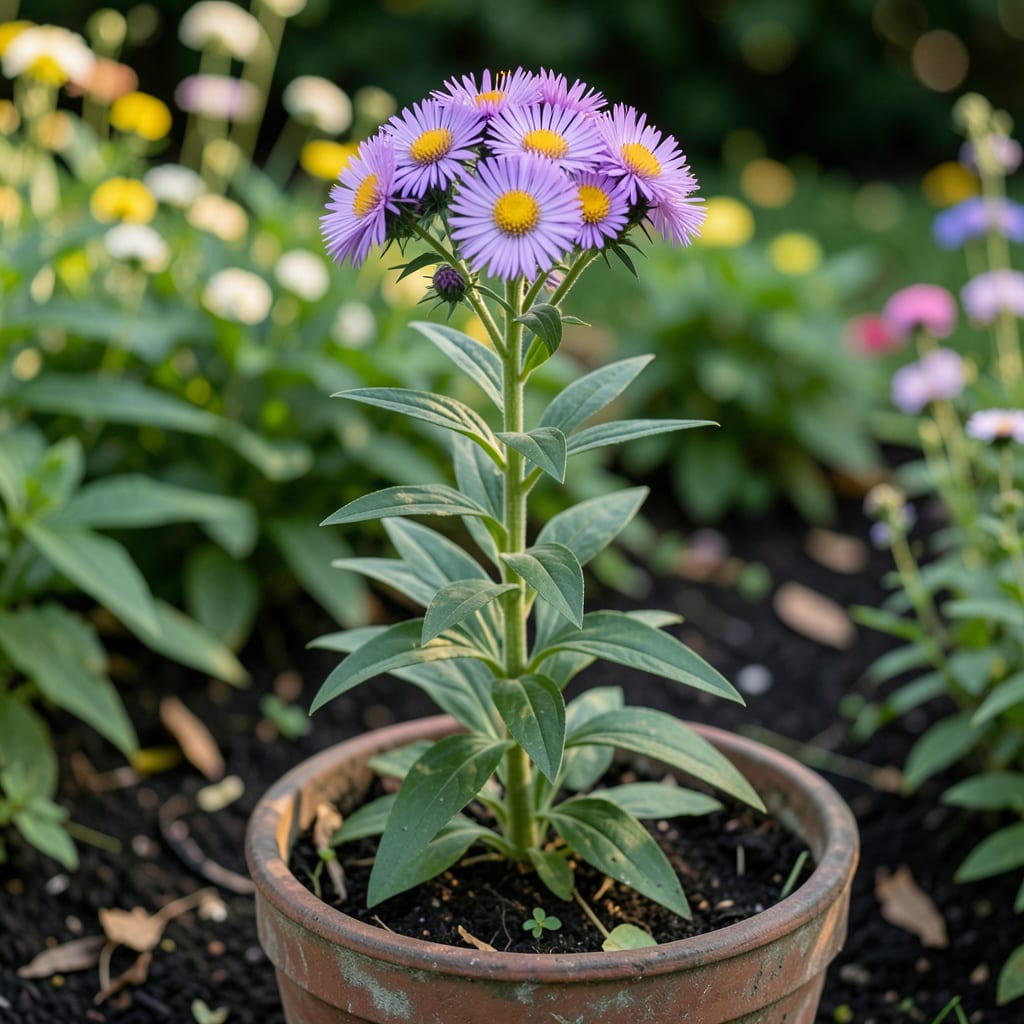
When planning your garden, understanding the growth habits of your plants is crucial. New England Aster 🌼 is a beautiful perennial that can grow quite tall, typically reaching heights of 3 to 6 feet, making it a great addition to back borders or naturalized areas.
As you consider adding this stunning flower to your garden in USDA Zone 6, knowing its mature height helps with proper placement and care. Let’s explore what factors influence its growth and how to make the most of this vibrant late-season bloomer.


New England Aster is a perennial flower known for its vibrant colors and ability to attract pollinators in late-season gardens. Understanding its growth habits is crucial for proper garden planning 🌼.
The typical height range of New England Aster is between 3 to 6 feet, making it a great addition to back borders or naturalized areas. This height range allows the plant to stand out among other garden flowers and provides a striking visual element 🌼.
The growth pattern of New England Aster is characterized by its upright stems and branching habit, which contributes to its overall height and spread. Factors such as soil quality, sunlight exposure, and watering practices can influence the final height of the plant 🌿.
In optimal conditions, with full sun and well-drained soil, New England Aster can reach its maximum height potential. Proper care, including regular watering and fertilization, can also support healthy growth and maximize the plant’s height 🔥.
It’s worth noting that New England Aster can be prone to flopping if it grows too tall or is exposed to strong winds. Providing support or pruning the plant can help maintain a more compact growth habit and prevent damage 💪.
When planting New England Aster, consider its mature height and spread to ensure proper spacing and placement in the garden. This will help create a balanced and visually appealing garden design 🏠.
Overall, understanding the growth habits and height of New England Aster is essential for gardeners looking to incorporate this beautiful perennial into their landscape. With proper care and placement, it can add vibrant color and interest to the garden in late summer and fall 🌼.
By considering factors such as soil quality, sunlight exposure, and watering practices, gardeners can optimize the growth and height of their New England Aster plants. This will help create a stunning and thriving garden that attracts pollinators and adds beauty to the landscape 🌻.
New England Aster is a versatile plant that can be used in a variety of garden settings, from cottage gardens to wildlife gardens. Its ability to attract pollinators and provide late-season color makes it a valuable addition to many garden designs 🐝.
In conclusion, New England Aster is a beautiful and versatile perennial that can add vibrant color and interest to the garden in late summer and fall. By understanding its growth habits and height, gardeners can make informed decisions about its placement and care in the garden 🌼.
The height of New England Aster plants can be influenced by several factors, including soil quality, sunlight exposure, and watering practices. Understanding these factors is crucial for gardeners who want to optimize the growth and height of their plants 🌼.
Soil quality plays a significant role in determining the height of New England Aster. The plant thrives in well-drained soil that is rich in organic matter. Soil that is too dense or poorly drained can lead to root rot and other problems that can stunt the plant’s growth 🌿.
To maximize height, ensure New England Aster receives full sun (6+ hours direct sunlight) and maintain consistent moisture without waterlogging.
Sunlight exposure is another critical factor that affects the height of New England Aster. The plant requires full sun to produce plenty of blooms and reach its maximum height potential. In shadier conditions, the plant may become leggy and produce fewer flowers 🔆.
Watering practices also impact the height of New England Aster. The plant prefers consistent moisture, especially during hot summer months. However, overwatering can lead to root rot and other problems that can stunt the plant’s growth 💧.
In addition to these factors, fertilization can also influence the height of New England Aster. Feeding the plant with a balanced fertilizer in the spring can promote healthy growth and maximize its height potential 🌼.
By understanding and managing these factors, gardeners can optimize the growth and height of their New England Aster plants. This will help create a stunning and thriving garden that attracts pollinators and adds beauty to the landscape 🌻.
It’s worth noting that New England Aster is a relatively low-maintenance plant that can thrive in a variety of conditions. However, by providing optimal care and conditions, gardeners can encourage the plant to reach its full height potential and enjoy its beautiful blooms for years to come 🌼.
Overall, the height of New England Aster is influenced by a combination of factors, including soil quality, sunlight exposure, watering practices, and fertilization. By understanding and managing these factors, gardeners can create a beautiful and thriving garden that showcases this stunning perennial 🌻.
To maintain the desired height of New England Aster, gardeners can employ several pruning and support techniques. Understanding these methods is essential for keeping the plant healthy and visually appealing 🌼.
One effective way to manage the height of New England Aster is through pruning. Pruning involves cutting back the stems to a certain height, which encourages the plant to grow more bushy and prevents it from becoming too leggy ✂️.
Prune New England Aster in late spring or early summer to control height and promote bushy growth. Cut stems back by one-third to one-half to encourage branching.
In addition to pruning, providing support can help maintain the plant’s height and prevent damage from wind or rain. Gardeners can use stakes or cages to keep the stems upright and promote a more compact growth habit 🌿.
When pruning New England Aster, it’s essential to make clean cuts just above a leaf node. This technique helps the plant heal quickly and reduces the risk of disease 🔪.
Gardeners should also consider the timing of pruning. Pruning in late spring or early summer allows the plant to recover and produce new growth before the blooming season 🌸.
By combining pruning and support techniques, gardeners can effectively manage the height of their New England Aster plants. This will help create a beautiful and thriving garden that showcases this stunning perennial 🌻.
Regular maintenance, including pruning and support, is crucial for keeping New England Aster healthy and visually appealing. By following these tips, gardeners can enjoy the plant’s vibrant blooms for years to come 🌼.
New England Aster typically grows between 3 to 6 feet tall, making it an excellent choice for back borders or naturalized garden areas. This height range allows the plant to stand out among other garden flowers .
Several factors affect New England Aster’s height, including soil quality, sunlight exposure, and watering practices. Optimal conditions with full sun and well-drained soil help the plant reach its maximum height potential .
You can manage the height through pruning and providing support. Prune in late spring or early summer by cutting stems back by one-third to one-half to encourage bushy growth. Using stakes or cages can also help maintain the plant’s height .
While New England Aster can grow quite tall, it’s versatile and can be used in various garden settings. For smaller gardens, consider pruning techniques to maintain a more compact growth habit. Its ability to attract pollinators makes it valuable in many garden designs .
