
Beautiful Plants For Your Interior
Beautiful Plants For Your Interior
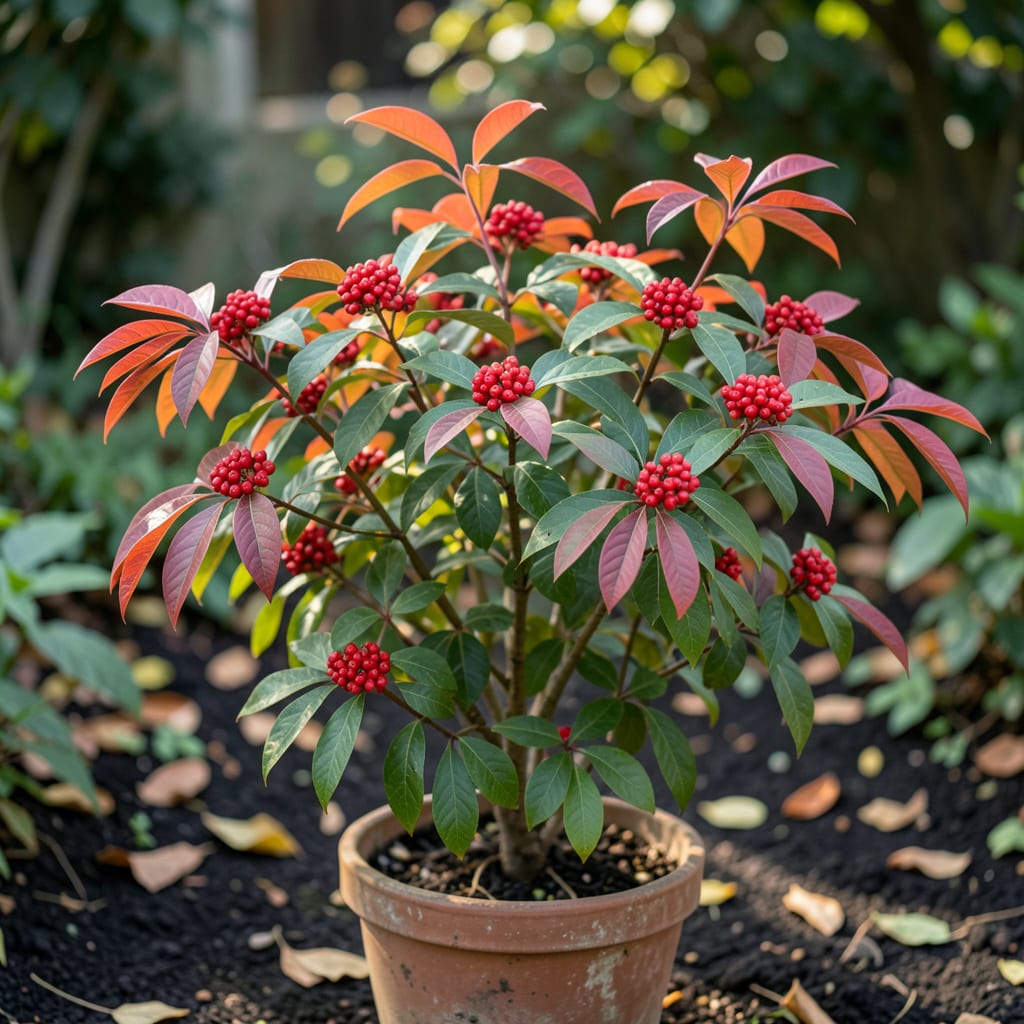
When I first planted my Heavenly Bamboo 🌿 in USDA zone 6a, I wondered how tall it would grow. Understanding its growth patterns is crucial for proper placement and maintenance in your garden.
Nandina domestica can reach varying heights depending on growing conditions. Let’s explore what you can expect and how to manage its growth effectively for optimal results in your landscape.


Nandina domestica, commonly known as heavenly bamboo, is a versatile ornamental shrub that can grow to varying heights depending on several factors. Understanding its typical growth height is essential for gardeners to plan their landscape effectively 🌿.
The average height range of Nandina domestica typically falls between 4 to 8 feet, with some cultivars growing taller or remaining more compact. Factors such as growing conditions, maintenance practices, and specific cultivar characteristics all play a role in determining the mature height of this popular shrub.
The height of Nandina domestica can be influenced by several key factors, including soil quality, sunlight exposure, and watering practices. Well-draining soil and adequate sunlight are crucial for optimal growth, while regular watering helps maintain the plant’s overall health and vigor.
Different cultivars of Nandina domestica exhibit varying growth habits. Dwarf varieties are ideal for smaller gardens or container planting, while standard cultivars can grow significantly taller, making them suitable for hedges or background plantings.
Understanding these growth characteristics allows gardeners to make informed decisions about plant placement and care. By selecting the appropriate cultivar and providing optimal growing conditions, you can ensure your Nandina domestica reaches its full potential height 🌼.
Nandina domestica’s growth is generally considered moderate, with an average annual growth rate of 1-2 feet per year. This growth rate can be influenced by factors such as fertilization practices and pruning techniques.
When planning your garden, consider the mature height of Nandina domestica to ensure proper spacing and placement. This will help prevent overcrowding and allow the shrub to develop its natural, elegant form.
Regular maintenance, including pruning and fertilization, can help control the height of Nandina domestica while promoting healthy growth. Pruning in late winter or early spring is particularly effective for managing the plant’s size and shape.
By understanding the typical growth height of Nandina domestica and the factors that influence it, gardeners can make informed decisions about incorporating this beautiful shrub into their landscape designs. Whether used as a specimen plant or in mass plantings, Nandina domestica adds year-round interest with its graceful foliage and vibrant fall colors 🌿.
In conclusion, Nandina domestica is a versatile and attractive shrub that can enhance any garden landscape. By understanding its growth habits and providing appropriate care, you can enjoy the beauty and elegance it brings to your outdoor space for years to come.
Nandina domestica’s maximum height can be influenced by various factors that gardeners should consider for optimal growth. Understanding these elements helps in creating the ideal conditions for this beautiful ornamental shrub 🌿.
Growing conditions play a crucial role in determining Nandina domestica’s ultimate height. The plant thrives in well-draining soil with a slightly acidic to neutral pH. Soil quality directly impacts the shrub’s ability to reach its maximum potential height.
Nandina domestica’s height is significantly affected by sunlight exposure, watering practices, and fertilization. Optimal conditions include full sun to partial shade, consistent moisture, and balanced fertilization during the growing season.
Sunlight exposure is another critical factor affecting Nandina domestica’s growth. The shrub prefers full sun to partial shade, with at least 6 hours of direct sunlight per day. While it can tolerate shade, reduced sunlight may result in less vibrant foliage colors and potentially slower growth 🔥.
Watering practices also impact the plant’s height. Nandina domestica prefers consistent moisture, especially during its first year after planting. Once established, it’s relatively drought-tolerant, but regular watering promotes healthier growth and better color display 🌼.
Fertilization is an essential maintenance practice that influences Nandina domestica’s maximum height. A balanced fertilizer applied in early spring supports healthy growth throughout the growing season. Gardeners should follow the recommended application rates to avoid over-fertilization, which can lead to excessive growth and potentially weaken the plant.
Pruning is a crucial maintenance practice that affects Nandina domestica’s height and overall appearance. Regular pruning helps maintain the desired height, promotes bushier growth, and removes any damaged or diseased stems. The best time for pruning is in late winter or early spring before new growth begins ✂️.
By understanding and managing these factors, gardeners can optimize the growing conditions for their Nandina domestica, ensuring it reaches its full potential height while maintaining its health and aesthetic appeal.
Nandina domestica’s adaptability to various growing conditions makes it a popular choice for many gardeners. By providing the right balance of sunlight, water, and nutrients, you can help your heavenly bamboo thrive and achieve its maximum height 🌿.
Regular monitoring of the plant’s growth and adjusting care practices accordingly will help maintain its desired height and overall health. This proactive approach ensures that your Nandina domestica remains a beautiful and elegant addition to your garden landscape.
I always emphasize proper pruning and care when managing Nandina domestica’s height. This beautiful ornamental shrub requires regular maintenance to maintain its desired size and promote healthy growth 🌿.
Pruning techniques play a crucial role in controlling Nandina domestica’s height. The best time to prune is in late winter or early spring before new growth begins. This allows you to shape the plant and remove any damaged or diseased stems ✂️.
Start by removing any dead, damaged, or diseased stems to maintain plant health
Selectively remove older stems to ground level to encourage new growth
Trim back tall stems to maintain desired height while maintaining natural form
Pruning tools are essential for effective height management. Use sharp, clean pruning shears to make clean cuts and prevent spreading diseases. For larger stems, consider using loppers or pruning saws 🔧.
Post-pruning care is just as important as the pruning itself. After pruning, ensure your Nandina domestica receives adequate water and proper fertilization to support new growth and overall health 🌼.
By following these pruning techniques and maintenance strategies, you can effectively manage your Nandina domestica’s height while promoting healthy, vigorous growth. Regular care will keep your heavenly bamboo looking its best in your garden landscape 🌿.
Remember that consistent maintenance is key to maintaining the desired height and appearance of your Nandina domestica. Annual pruning and proper care will ensure this beautiful shrub continues to enhance your outdoor space for years to come.
Nandina domestica typically grows between 4 to 8 feet tall, with some cultivars remaining more compact at 2-3 feet while others can reach up to 8 feet or more. The height varies based on factors like growing conditions and specific cultivar characteristics. Proper care can help the plant reach its full potential height .
Nandina domestica has a moderate growth rate, typically growing 1-2 feet per year. Factors such as soil quality, sunlight exposure, and watering practices can influence its growth rate. Regular maintenance, including pruning and fertilization, can also impact how quickly it grows .
Yes, pruning is an effective way to control Nandina domestica’s height. The best time to prune is in late winter or early spring before new growth begins. Regular pruning helps maintain the desired height, promotes bushier growth, and removes any damaged or diseased stems .
Several factors influence Nandina domestica’s maximum height, including growing conditions, sunlight exposure, watering practices, and fertilization. Well-draining soil, adequate sunlight, consistent moisture, and balanced fertilization during the growing season all contribute to the plant reaching its full potential height .
