
Beautiful Plants For Your Interior
Beautiful Plants For Your Interior
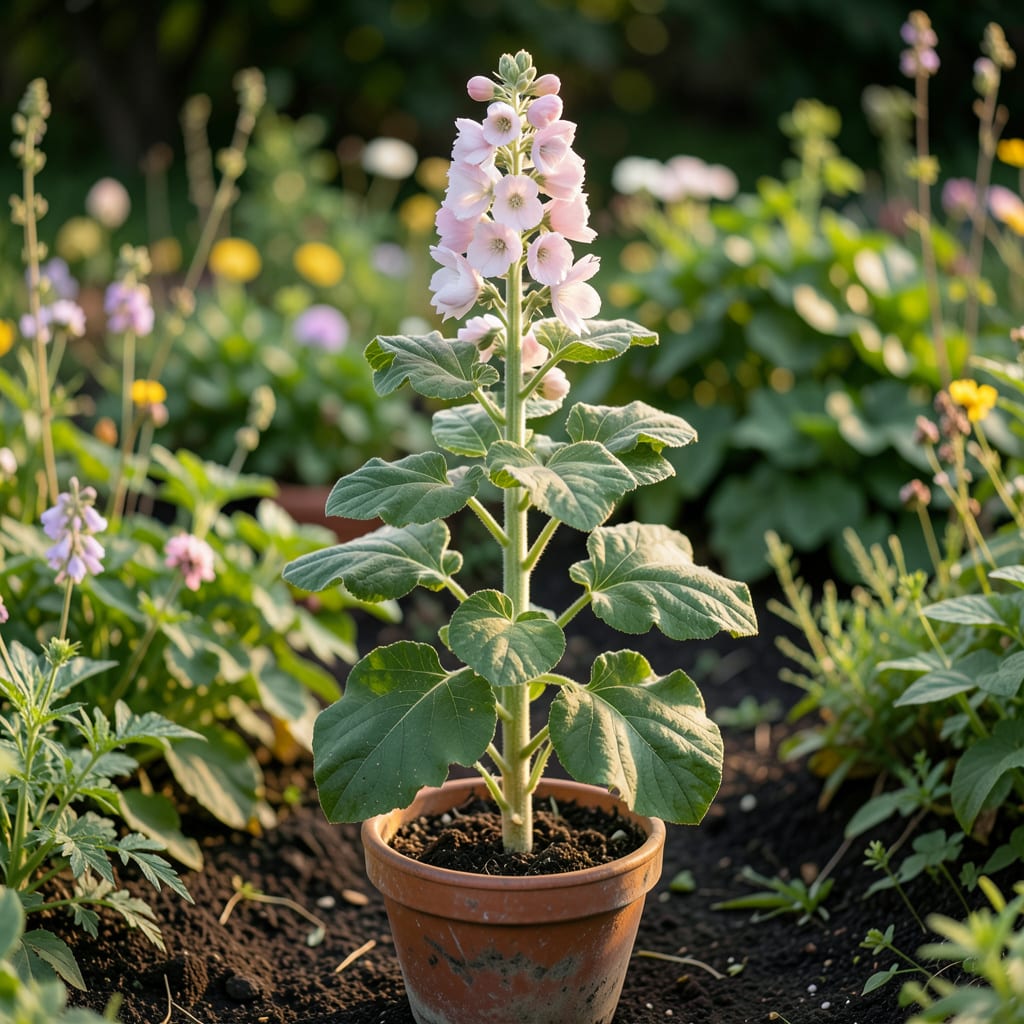
As I explore my garden, I’m always amazed by the 3-5 feet tall marshmallow plants 🌿 that add beauty and medicinal value to my outdoor space. Growing marshmallow successfully requires understanding its growth patterns and specific needs.
In USDA zone 6a, where I garden, marshmallow plants thrive when planted in April-May and receive proper care. Let’s dive into the details of growing these wonderful plants to their full potential.


Marshmallow plants can grow between 3 to 5 feet tall, making them a beautiful addition to any garden. Their height is influenced by several key factors, including soil quality, sunlight exposure, and watering practices 🌿.
To understand how these factors affect marshmallow plant height, let’s examine the specific conditions that promote healthy growth. Soil quality plays a crucial role, as marshmallow plants prefer well-draining, fertile soil rich in organic matter.
The quality of the soil directly affects the plant’s ability to absorb essential nutrients, which in turn impacts its height and overall health. Marshmallow plants thrive in soil that is rich in organic matter and has good drainage.
Sunlight exposure is another critical factor. Marshmallow plants require full sun to grow to their maximum height. This means they need at least 6 hours of direct sunlight per day. In my experience, plants that receive adequate sunlight tend to be taller and more robust 🌻.
Watering practices also significantly influence marshmallow plant height. These plants prefer consistently moist soil but are sensitive to waterlogging. Overwatering can lead to root rot, which stunts growth and reduces plant height.
To achieve maximum height, it’s essential to maintain a balance between these factors. By providing the right soil conditions, adequate sunlight, and appropriate watering, you can encourage your marshmallow plants to reach their full potential height of 3 to 5 feet.
Soil preparation is key. I recommend amending the soil with compost or well-rotted manure to improve its fertility and drainage. This not only promotes healthy root development but also supports overall plant growth.
In addition to soil quality, ensuring that your marshmallow plants receive enough sunlight is crucial. If your garden is shaded, consider pruning nearby trees or shrubs to allow more light to reach your plants.
Proper watering techniques are also vital. Water your marshmallow plants in the morning to allow the soil to dry slightly before nightfall, reducing the risk of fungal diseases.
By understanding and managing these factors, you can create an optimal growing environment for your marshmallow plants, helping them achieve their maximum height and thrive in your garden 🌿.
In summary, the height of marshmallow plants is influenced by a combination of soil quality, sunlight exposure, and watering practices. By optimizing these conditions, you can encourage your plants to grow tall and healthy, adding beauty and value to your garden.
For further guidance on growing marshmallow plants, including tips on fertilization and pruning, continue reading the next section.
To achieve maximum height in marshmallow plants, gardeners need to implement specific techniques that promote healthy growth and development. The ideal growing conditions for marshmallow plants include full sun, well-draining soil, and consistent moisture 🌿.
I recommend starting with proper soil preparation. Amending the soil with compost or well-rotted manure improves its fertility and drainage, supporting healthy root development and overall plant growth.
Prune nearby trees or shrubs to allow more direct sunlight to reach your marshmallow plants, promoting taller growth.
Use a high phosphorus fertilizer (5-10-10 NPK) every 4-6 weeks to support healthy growth and maximize height.
Ensure adequate spacing between plants to prevent overcrowding, which can limit growth and reduce height.
By implementing these expert gardening tips and techniques, you can create an optimal growing environment for your marshmallow plants, helping them achieve their maximum height and thrive in your garden 🌻.
Pruning nearby plants is essential to ensure that your marshmallow plants receive sufficient sunlight. This simple step can make a significant difference in their growth and development.
Fertilization is another critical factor. Using a high phosphorus fertilizer (5-10-10 NPK) every 4-6 weeks provides the necessary nutrients for healthy growth and maximizes height.
Proper spacing between plants is also vital. Overcrowding can lead to reduced growth and lower plant height. Ensure that your marshmallow plants have enough space to grow and develop without competition.
In summary, maximizing marshmallow plant height requires a combination of proper soil preparation, pruning nearby plants, regular fertilization, and adequate spacing. By following these expert gardening tips and techniques, you can encourage your marshmallow plants to grow tall and healthy, adding beauty and value to your garden 🌿.
When growing marshmallow plants, gardeners often make mistakes that can limit their growth and height. One common error is overwatering, which can lead to root rot and stunted growth 🌿.
To avoid this, it’s essential to understand the watering needs of marshmallow plants. They prefer consistently moist soil but are sensitive to waterlogging. Checking the soil moisture regularly can help prevent overwatering.
Overwatering can cause root rot and stunt marshmallow plant growth. Check soil moisture regularly and avoid waterlogging.
Another mistake is inadequate sunlight. Marshmallow plants require full sun to grow to their maximum height. If your garden is shaded, consider pruning nearby trees or shrubs to allow more light to reach your plants 🌻.
Poor soil quality is also a common issue. Marshmallow plants thrive in well-draining, fertile soil rich in organic matter. Amending the soil with compost or well-rotted manure can improve its fertility and drainage.
To avoid these mistakes, I recommend regular soil checks and adjusting your watering schedule accordingly. Additionally, ensuring that your marshmallow plants receive enough sunlight and maintaining good soil quality can help promote healthy growth and maximize height 🌿.
By being aware of these common mistakes and taking steps to avoid them, you can create an optimal growing environment for your marshmallow plants and help them achieve their full potential.
In summary, avoiding common mistakes such as overwatering, inadequate sunlight, and poor soil quality is crucial for growing healthy and tall marshmallow plants. By following the tips outlined above, you can promote healthy growth and maximize the height of your marshmallow plants 🌻.
Marshmallow plants can grow between 3 to 5 feet tall when provided with optimal growing conditions, including full sun, well-draining soil, and consistent moisture. Proper care and attention to their needs can help them reach their maximum height.
The height of marshmallow plants is influenced by several key factors, including soil quality, sunlight exposure, and watering practices. Ensuring the right balance of these factors is crucial for promoting healthy growth and maximizing height.
Marshmallow plants prefer consistently moist soil but are sensitive to waterlogging. Water them every 3 days, making sure the soil doesn’t become waterlogged. Adjust your watering schedule according to weather conditions to prevent overwatering.
Yes, pruning nearby trees or shrubs can help allow more direct sunlight to reach your marshmallow plants, promoting taller growth. Ensure they receive at least 6 hours of direct sunlight per day for optimal height.
