
Beautiful Plants For Your Interior
Beautiful Plants For Your Interior
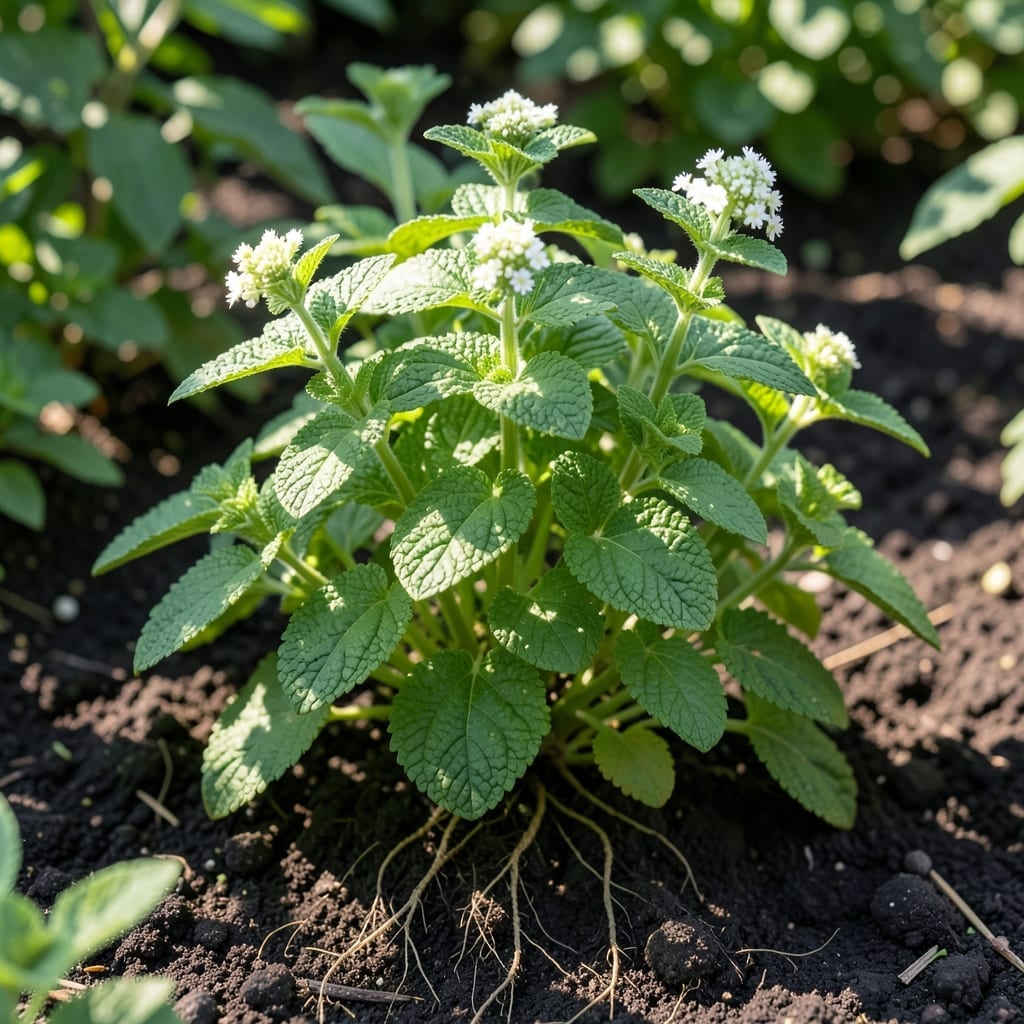
Lemon balm is a fragrant, fast-growing herb that can quickly become a garden favorite. I was surprised when my 🌿 Lemon Balm shot up to 3 feet tall in just one season.
Understanding its growth potential helps you plan the perfect spot. This versatile plant can transform your garden, but its height might catch you off guard.
I’ll share what I’ve learned about managing its size. You’ll discover how to keep it at an ideal height for your space.
Whether you’re a beginner or experienced gardener, these tips will help you grow healthy Lemon Balm without it taking over your garden.


If you’re wondering how tall lemon balm gets, you’ll be pleased to know this hardy herb typically reaches 2-3 feet at maturity. In ideal conditions, it can even surpass 3 feet, making it a substantial presence in any garden bed.
This perennial herb grows quickly during the warm season, often adding several inches per week. The height range makes it comparable to mint but slightly taller than basil varieties.
| Characteristic | Specification |
| Mature Height | 2-3 feet |
| Growth Rate | Fast |
| Sun Needs | Full sun to partial shade |
| Soil Preference | Well-draining, moist |
The height of lemon balm can vary based on growing conditions. Plants in rich soil with consistent moisture tend to grow taller than those in poor or dry soil. I’ve seen container-grown lemon balm stay slightly shorter at 1.5-2 feet.
Light exposure also plays a key role. Full sun plants often reach the upper height range, while those in partial shade may stay closer to 2 feet. This makes it adaptable to various garden spots. ☀️
Interestingly, wild lemon balm can sometimes grow taller than cultivated varieties, reaching up to 4 feet in optimal conditions. However, garden varieties are typically bred to stay within the 2-3 foot range for easier management.
For first-year plants, expect 1-2 feet of growth. By the second year, they’ll usually reach their full mature height. This gradual growth gives you time to plan your garden layout accordingly.
The bushy nature of lemon balm means its width often matches its height. I recommend giving each plant 18-24 inches of space to accommodate its full mature size. This prevents overcrowding and promotes healthy air circulation.
Remember that pruning can help control height. Regular harvesting of leaves encourages bushier growth rather than excessive height. This is especially useful if you’re growing lemon balm in smaller garden spaces. ✂️
Compared to other herbs, lemon balm’s 2-3 foot stature makes it a mid-height plant. It works well as a border plant or in the middle layer of herb gardens, providing both visual interest and practical use. 🌿
Managing the height of lemon balm is essential for a neat garden. I’ve found that regular pruning keeps it at a manageable 1.5-2 feet while encouraging bushier growth instead of lanky stems.
Container gardening is another effective method. When grown in pots or planters, lemon balm typically stays shorter due to root restriction. Choose a 12-16 inch container for best results.
Proper spacing in garden beds is crucial. I recommend 18-24 inches between plants to prevent overcrowding and allow for air circulation. This also helps control spread as lemon balm can be aggressive.
Harvesting techniques double as height control. By regularly picking leaves, you’ll stimulate new growth while keeping the plant compact. I harvest mine every 2-3 weeks during the growing season.
For dramatic height reduction, don’t hesitate to cut back the plant by one-third if it’s getting too tall. Lemon balm recovers quickly from hard pruning, making this a safe option if needed. ✂️
Remember that light conditions affect height. If your lemon balm is growing too tall, try moving it to a shadier spot. Less light often results in shorter but bushier plants.
Finally, mulching around the base helps maintain consistent moisture, which supports steady growth without sudden height spikes. This is especially useful in hot climates where lemon balm might bolt. 🌱