
Beautiful Plants For Your Interior
Beautiful Plants For Your Interior
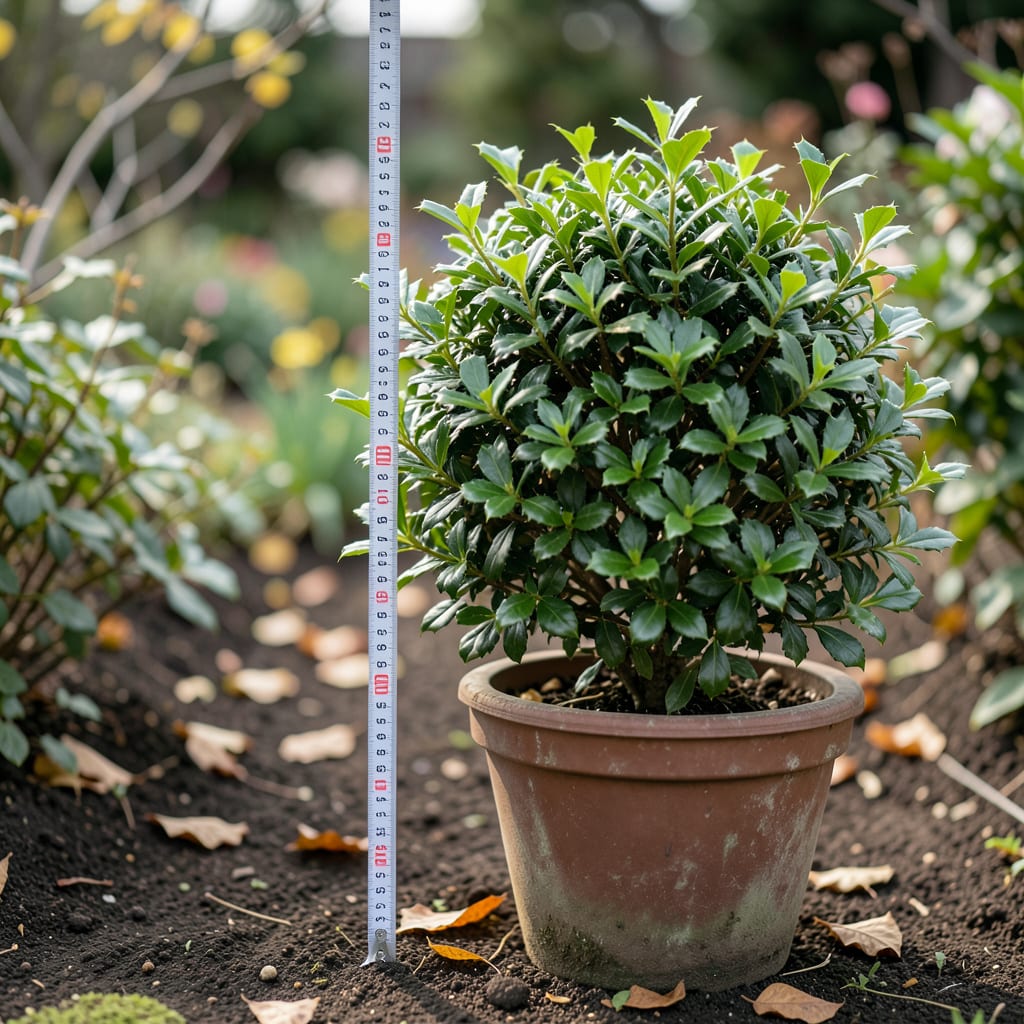
Japanese Holly 🌳 is a popular landscaping choice for its elegant appearance and versatility. Understanding its mature height is crucial for proper garden planning, especially since it can grow between 3 to 12 feet tall depending on the variety.
I’ll guide you through the factors that affect its growth and provide tips on how to maintain your desired height through proper care and pruning techniques.

Japanese holly growth height is influenced by several key factors that every gardener should understand. The mature height of Japanese holly can vary significantly based on growing conditions and cultivar selection. Let’s explore these factors in detail.
The first critical factor is the specific cultivar of Japanese holly you’re growing. Different varieties have distinct growth habits and mature sizes. For example, dwarf cultivars like ‘Compacta’ typically reach 3-5 feet, while standard varieties can grow up to 8-12 feet tall.
Growing conditions play a crucial role in determining Japanese holly’s mature height. Soil quality is particularly important – well-draining, slightly acidic soil with organic matter promotes healthy root development and optimal growth. In contrast, poor drainage can lead to root rot and stunted growth.
Light exposure also significantly affects Japanese holly’s height. While it can tolerate partial shade, Japanese holly generally grows more densely and reaches its maximum height in full sun to partial shade conditions. In deeper shade, it may become leggy and less dense.
Understanding these factors helps gardeners make informed decisions about plant selection and care. The right cultivar combined with optimal growing conditions will result in the best growth potential for Japanese holly plants.
Japanese holly’s growth is also influenced by its maintenance requirements. Regular pruning can help maintain a desired height and shape, while fertilization and watering practices can impact overall plant health and growth rate.
To achieve the best results, gardeners should consider factors such as soil pH, moisture levels, and sunlight exposure when planting and caring for Japanese holly. By understanding these factors, gardeners can optimize growing conditions for their Japanese holly plants.
It’s worth noting that Japanese holly is generally a slow-growing shrub, especially when compared to other landscaping plants. This slow growth rate means that it requires less frequent pruning and maintenance.
In summary, Japanese holly’s growth height is determined by a combination of factors including cultivar type, growing conditions, and maintenance practices. By understanding and managing these factors, gardeners can help their Japanese holly plants reach their full potential.
For gardeners looking to maintain a specific height, regular pruning is essential. Pruning not only controls the height but also helps maintain the plant’s shape and promotes healthy growth. The best time to prune Japanese holly is in late winter or early spring, before new growth begins.
By considering these factors and implementing proper care techniques, gardeners can enjoy the benefits of Japanese holly in their landscapes for years to come. Whether used as a hedge, topiary, or specimen plant, Japanese holly can add elegance and structure to any garden.
Japanese holly comes in various cultivars, each with its own growth characteristics and mature height. Understanding these differences is essential for gardeners to make informed decisions about plant selection and placement.
The height of Japanese holly varieties can range significantly, from compact dwarf forms to larger standard types. Let’s examine some common cultivars and their typical height ranges to help gardeners choose the right variety for their needs.
The dwarf varieties like ‘Compacta’ and ‘Helleri’ are popular choices for smaller landscapes or container gardens. These cultivars maintain their compact growth habit through their natural slow growth rate, typically reaching 3-5 feet in height.
Larger standard varieties of Japanese holly can grow significantly taller, often reaching heights of 8-12 feet when mature. These make excellent choices for hedges or privacy screens in larger landscapes.
When selecting a Japanese holly cultivar, gardeners should consider not only the mature height but also the plant’s growth rate and overall habit. This information helps in planning the appropriate space and maintenance requirements for the plant.
It’s worth noting that while Japanese holly can be pruned to maintain a specific height, selecting a cultivar that naturally fits the desired space is generally more effective and requires less maintenance.
For gardeners looking for specific height ranges, there are several factors to consider when choosing a Japanese holly cultivar. The mature size of the plant should be the primary consideration, along with its growth rate and landscape requirements.
Maintaining the desired height of Japanese holly requires regular pruning and proper care. Pruning not only controls the plant’s height but also helps maintain its shape and promotes healthy growth. The best time to prune Japanese holly is in late winter or early spring, before new growth begins.
When pruning Japanese holly, use sharp, clean tools to prevent spreading diseases. Remove any dead or damaged branches first, then shape the plant as desired.
To maintain a specific height, gardeners should prune Japanese holly regularly. This involves removing the outermost growth to control the plant’s size and shape. It’s essential to prune carefully to avoid damaging the plant and to maintain its natural appearance.
In addition to pruning, proper care practices can help manage Japanese holly’s height. This includes providing the right growing conditions, such as appropriate soil quality and light exposure. Japanese holly prefers well-draining soil and can thrive in partial shade to full sun, depending on the cultivar.
Fertilization is another critical aspect of Japanese holly care. Using a balanced fertilizer in the spring can promote healthy growth. However, over-fertilization should be avoided as it can lead to excessive growth, making the plant more difficult to maintain at a desired height.
Regular watering is also essential for Japanese holly. The plant prefers evenly moist soil but can tolerate some drought. Consistent moisture levels help maintain the plant’s health and support its growth.
By combining regular pruning with proper care practices, gardeners can effectively manage the height of their Japanese holly plants. This not only keeps the plant looking its best but also ensures it remains a valuable and attractive addition to the landscape.
For gardeners looking to maintain a specific height, it’s crucial to monitor the plant’s growth regularly. This allows for timely pruning and adjustments to care practices as needed. With the right approach, Japanese holly can be a versatile and beautiful element in any garden design.
Japanese holly’s adaptability to different pruning styles makes it a popular choice for various landscaping needs. Whether used as a formal hedge, topiary, or specimen plant, regular maintenance is key to achieving the desired appearance and size.
Japanese holly typically grows between 3 to 12 feet tall, depending on the cultivar. Dwarf varieties like ‘Compacta’ reach 3-5 feet, while standard types can grow up to 8-12 feet. The mature height is influenced by factors like growing conditions and maintenance practices.
Prune Japanese holly in late winter or early spring before new growth begins. Regular pruning helps maintain the desired height and shape, promoting healthy growth. Use sharp, clean tools to prevent spreading diseases.
While Japanese holly can tolerate partial shade, it generally grows more densely and reaches its maximum height in full sun to partial shade conditions. In deeper shade, it may become leggy and less dense. For optimal growth, provide 4-6 hours of direct sunlight.
To maintain a specific height, regularly prune Japanese holly by removing the outermost growth. This controls the plant’s size and shape. Combine pruning with proper care practices like balanced fertilization in spring and consistent watering for optimal results.
