
Beautiful Plants For Your Interior
Beautiful Plants For Your Interior
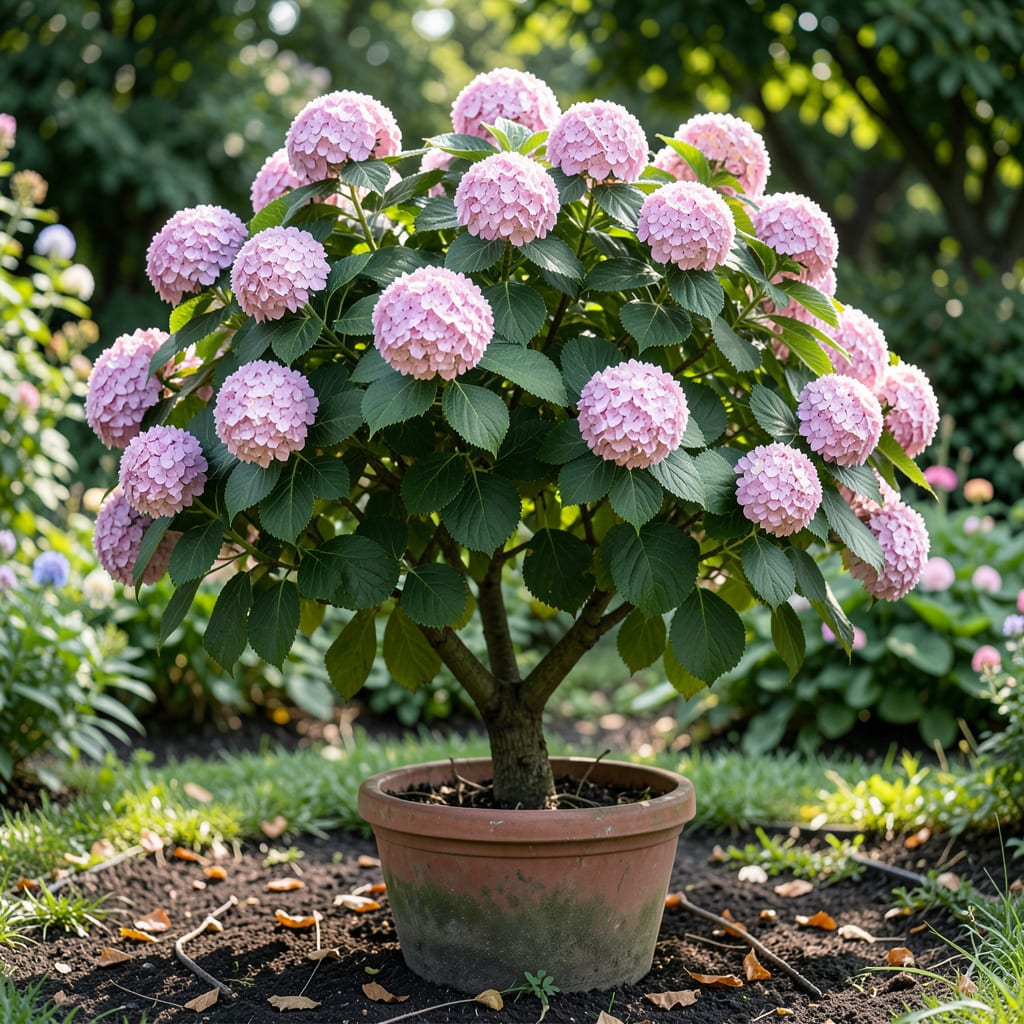
When I think about adding beauty to a garden, I immediately picture a stunning Hydrangea 🌿 in full bloom. But before planting, it’s essential to understand how tall these gorgeous shrubs can grow.
In USDA zone 6a, Hydrangea trees typically reach between 3 to 8 feet tall, depending on the variety and growing conditions. Let’s explore what affects their growth and how to manage their size effectively.


When considering how tall a Hydrangea tree will grow, several factors come into play. The variety of Hydrangea is one of the most significant determinants of its mature height. Different types of Hydrangea trees have varying growth potentials, with some naturally staying more compact while others can grow quite tall 🌿.
The growing conditions also play a crucial role in determining the height of a Hydrangea tree. Factors such as soil quality, sunlight exposure, and watering practices can significantly impact the plant’s overall growth and development. Let’s take a closer look at these factors and how they influence the height of Hydrangea trees.
The specific growing conditions for Hydrangea trees can vary significantly based on factors like USDA zone and local climate. In zone 6a, where the last frost is around April 15 and the first frost is around October 15, Hydrangeas typically have a frost-free growing season of about 180 days. This allows for substantial growth during the warmer months.
Soil quality is another critical factor that affects the height of Hydrangea trees. These plants prefer consistently moist soil that is rich in organic matter. Ensuring the soil is well-draining and fertile can support healthy growth and help the plant reach its full height potential 🌱.
Sunlight exposure is also vital for the growth of Hydrangea trees. While they can tolerate some shade, partial shade with 4-6 hours of direct sunlight is ideal. Too little sunlight can result in weaker growth and fewer blooms, ultimately affecting the plant’s height and overall health.
In addition to these factors, watering practices are crucial for maintaining the health and promoting the growth of Hydrangea trees. These plants have a high water need and prefer consistent moisture. During the summer months, they may require watering every 2-3 days, while in spring and fall, weekly watering is usually sufficient.
Pruning is another important aspect of managing the height of Hydrangea trees. Regular pruning not only helps control the plant’s size but also encourages new growth and improves overall health. Pruning should be done carefully to avoid damaging the plant and to achieve the desired shape and height.
By understanding and managing these factors, gardeners can influence the height of their Hydrangea trees and ensure they thrive in their garden. Whether you’re looking to maintain a compact shrub or encourage a taller specimen, the right care and conditions can make all the difference 🌼.
It’s also worth noting that different Hydrangea varieties have different growth habits. For example, Bigleaf Hydrangeas tend to be more compact, while Panicle Hydrangeas can grow quite tall. Understanding the specific needs and characteristics of your Hydrangea variety is key to managing its height effectively.
In conclusion, the height of a Hydrangea tree is influenced by a combination of factors including variety, growing conditions, and care practices. By providing the right environment and care, you can help your Hydrangea reach its full potential and enjoy its beautiful blooms for years to come.
For more specific guidance on managing the size of your Hydrangea tree, including pruning techniques and soil management, continue reading the next section for practical tips and expert advice.
When it comes to understanding how tall a Hydrangea tree can grow, it’s essential to consider the different varieties available. Each type of Hydrangea has its unique growth characteristics, and knowing these can help you choose the right one for your garden 🌿.
Hydrangea trees come in various types, including Bigleaf, Panicle, and Smooth varieties. The height range for these varieties can vary significantly, making it crucial to understand their specific growth habits.
The Bigleaf Hydrangea is known for its large, round blooms and compact growth habit, typically reaching heights of 3 to 6 feet. This variety is ideal for smaller gardens or where a more contained growth is desired 🌼.
In contrast, the Panicle Hydrangea can grow taller, reaching heights of 6 to 8 feet. It has an upright growth habit and produces cone-shaped blooms, making it a great choice for adding height and structure to your garden 🌿.
The Smooth Hydrangea offers a round growth habit and large, flat blooms. It generally grows to be between 3 to 6 feet tall, making it another excellent option for those looking for a more compact Hydrangea tree 🌸.
Understanding these height ranges and growth characteristics can help you make informed decisions when selecting a Hydrangea tree for your garden. By choosing the right variety, you can ensure it fits well within your garden’s landscape and meets your aesthetic preferences.
For more detailed information on managing the size of your Hydrangea tree, including tips on pruning and care practices, continue reading the next section for expert advice.
Managing the size of your Hydrangea tree is crucial for maintaining its health and ensuring it fits well within your garden’s landscape. One of the most effective ways to control the height and shape of your Hydrangea is through regular pruning. Pruning not only helps in managing the size but also encourages new growth and improves the overall health of the plant 🌿.
When it comes to pruning Hydrangea trees, it’s essential to understand the right techniques and timing. The best time to prune most Hydrangeas is in late winter or early spring, before new growth begins. This allows you to shape the plant and remove any dead or damaged branches, promoting healthy growth throughout the growing season 🌸.
For Bigleaf Hydrangeas, prune immediately after flowering to avoid removing next year’s buds. For Panicle and Smooth Hydrangeas, prune in late winter or early spring for best results.
In addition to pruning, soil conditions play a significant role in managing the size of your Hydrangea tree. Ensuring the soil is well-draining and fertile can support healthy growth. Adding organic matter like compost can improve soil quality and provide essential nutrients for your Hydrangea 🌱.
Watering practices are also crucial for maintaining the health and size of your Hydrangea tree. These plants prefer consistent moisture, especially during the growing season. However, it’s essential to avoid overwatering, which can lead to root rot and other issues. A good rule of thumb is to water deeply once or twice a week, depending on weather conditions 🌻.
By combining proper pruning techniques, maintaining optimal soil conditions, and following appropriate watering practices, you can effectively manage the size of your Hydrangea tree. This holistic approach ensures your plant remains healthy, vibrant, and perfectly suited to your garden’s space 🌼.
For more detailed guidance on caring for your Hydrangea tree, including additional tips on pruning and soil management, continue exploring our comprehensive guides for expert advice.
Hydrangea trees can grow between 3 to 8 feet tall, depending on the variety and growing conditions. Some compact varieties like Bigleaf Hydrangea typically reach 3-6 feet, while others like Panicle Hydrangea can grow up to 6-8 feet tall. Proper care and conditions can help them reach their full height potential.
Several factors influence the height of Hydrangea trees, including the variety, soil quality, sunlight exposure, and watering practices. Ensuring optimal growing conditions and proper care can help manage their size effectively. Regular pruning is also crucial for controlling height and promoting healthy growth.
The best time to prune Hydrangea trees depends on the variety. For Bigleaf Hydrangeas, prune immediately after flowering to avoid removing next year’s buds. For Panicle and Smooth Hydrangeas, prune in late winter or early spring for best results. Proper pruning techniques help maintain the desired height and promote healthy growth.
Yes, you can control the height of your Hydrangea tree through regular pruning and proper care. Pruning helps manage the plant’s size, encourages new growth, and improves overall health. Maintaining optimal soil conditions and appropriate watering practices also supports healthy growth and helps achieve the desired height.
