
Beautiful Plants For Your Interior
Beautiful Plants For Your Interior
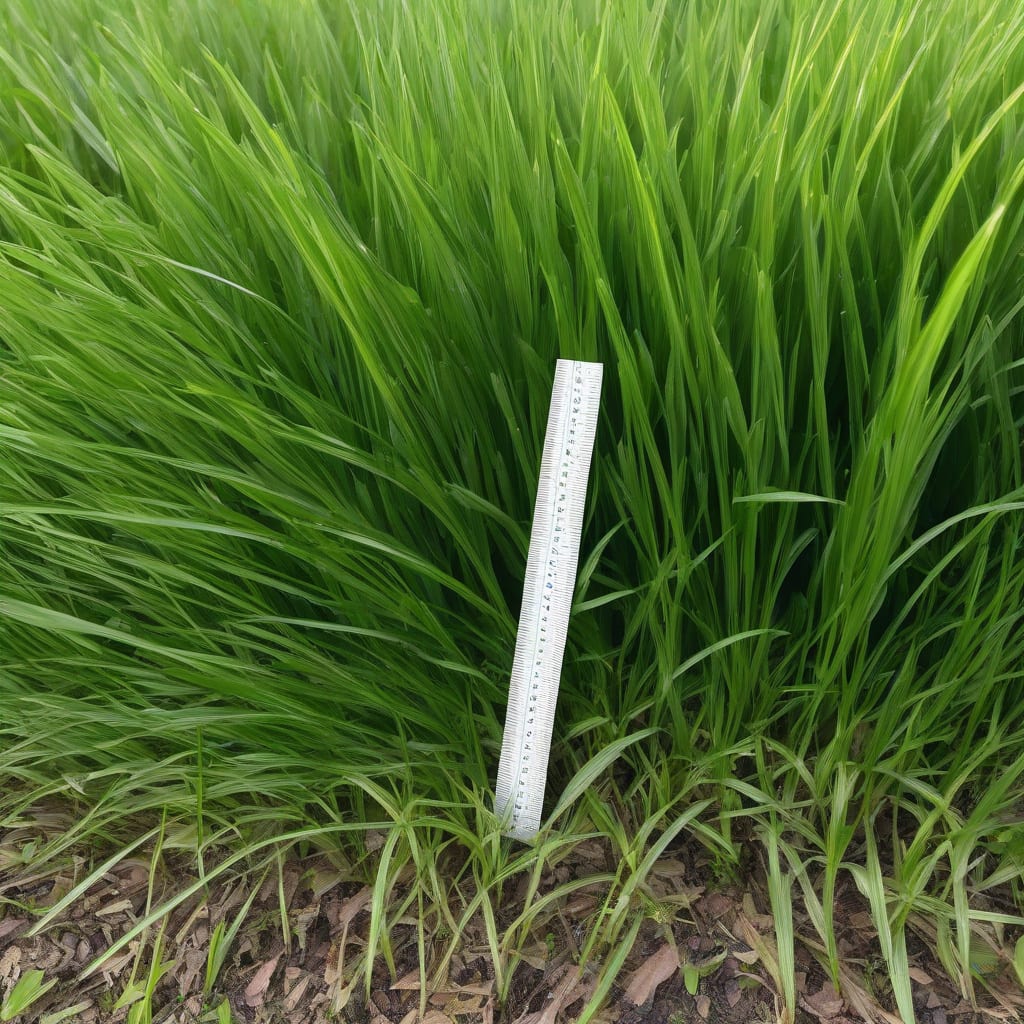
As I tend to my lawn, I often wonder about the ideal height for my Fescue Grass 🌿. Growing in USDA Zone 6, it’s essential to understand its growth habits to maintain a lush, healthy appearance.
Fescue Grass typically grows between 2-3 feet tall, and factors like mowing practices, soil quality, and climate can impact its height. Let’s explore what you need to know to keep your Fescue Grass at its best.


Fescue grass is a popular choice for lawns and landscapes due to its drought tolerance and low maintenance requirements. Understanding its growth habits is crucial for maintaining a healthy and visually appealing lawn 🌿.
The typical height range for fescue grass is between 2-3 feet, with factors such as mowing practices, soil quality, and climate influencing its growth. Proper maintenance is essential to achieve the desired height and density.
Fescue grass growth is influenced by various factors, including climate conditions, soil type, and mowing practices. Understanding these factors is crucial for maintaining optimal height and density.
For instance, fescue grass grown in cooler climates with adequate moisture tends to grow more densely, while drought conditions can lead to reduced growth and density.
Proper mowing practices are also essential, as mowing too low can stress the grass, leading to reduced density and increased susceptibility to weeds and diseases.
In addition to mowing, fertilization plays a critical role in maintaining optimal fescue grass height. A balanced fertilizer applied during the growing season can promote healthy growth and density.
It’s also important to consider the soil type when growing fescue grass. Well-draining soils with a moderate pH tend to support healthy growth, while poorly draining soils can lead to waterlogged conditions and reduced growth.
By understanding the factors that influence fescue grass growth and implementing proper maintenance practices, you can achieve a healthy and visually appealing lawn that meets your desired height and density expectations.
Regular maintenance, including mowing, watering, and fertilizing, is essential to promote healthy growth and density. By following these best practices, you can enjoy a lush and vibrant fescue grass lawn 🌿.
In conclusion, understanding fescue grass height expectations is crucial for maintaining a healthy and visually appealing lawn. By considering factors such as climate, soil type, and mowing practices, you can achieve the desired height and density for your fescue grass.
Fescue grass growth is influenced by multiple factors that affect its height and density. Understanding these elements is crucial for maintaining a healthy and visually appealing lawn 🌿.
Climate conditions play a significant role in determining fescue grass height. Cooler climates with adequate moisture tend to promote denser growth, while drought conditions can lead to reduced growth and density.
Climate, soil type, mowing practices, and fertilization all impact fescue grass growth height and density.
Soil type is another critical factor, as well-draining soils with a moderate pH tend to support healthy growth. Poorly draining soils can lead to waterlogged conditions and reduced growth.
Mowing practices also significantly impact fescue grass height. Mowing too low can stress the grass, leading to reduced density and increased susceptibility to weeds and diseases.
Fertilization is essential for maintaining optimal fescue grass height. A balanced fertilizer applied during the growing season can promote healthy growth and density.
By understanding and managing these factors, you can achieve a healthy and visually appealing fescue grass lawn that meets your desired height and density expectations 🌿.
Regular maintenance, including mowing, watering, and fertilizing, is crucial for promoting healthy growth and density in fescue grass.
In summary, factors such as climate, soil type, mowing practices, and fertilization all play a role in determining fescue grass growth height.
Maintaining the optimal height of fescue grass is crucial for a healthy and visually appealing lawn 🌿. To achieve this, it’s essential to understand the best practices for mowing, watering, and fertilizing.
Maintain your lawn mower at a height of 2.5-3 inches to promote healthy growth and prevent stress to the grass.
Water your fescue grass weekly during establishment and as needed during dry spells to maintain optimal moisture levels.
Apply a balanced fertilizer during the growing season to promote healthy growth and density.
By following these best practices, you can maintain a healthy and visually appealing fescue grass lawn that meets your desired height and density expectations 🌿.
Regular maintenance is key to promoting healthy growth and density in fescue grass. By mowing regularly, watering deeply, and fertilizing balanced, you can achieve optimal results.
In summary, maintaining optimal fescue grass height requires attention to mowing, watering, and fertilizing practices. By following these guidelines, you can enjoy a lush and vibrant lawn 🌿.
