
Beautiful Plants For Your Interior
Beautiful Plants For Your Interior
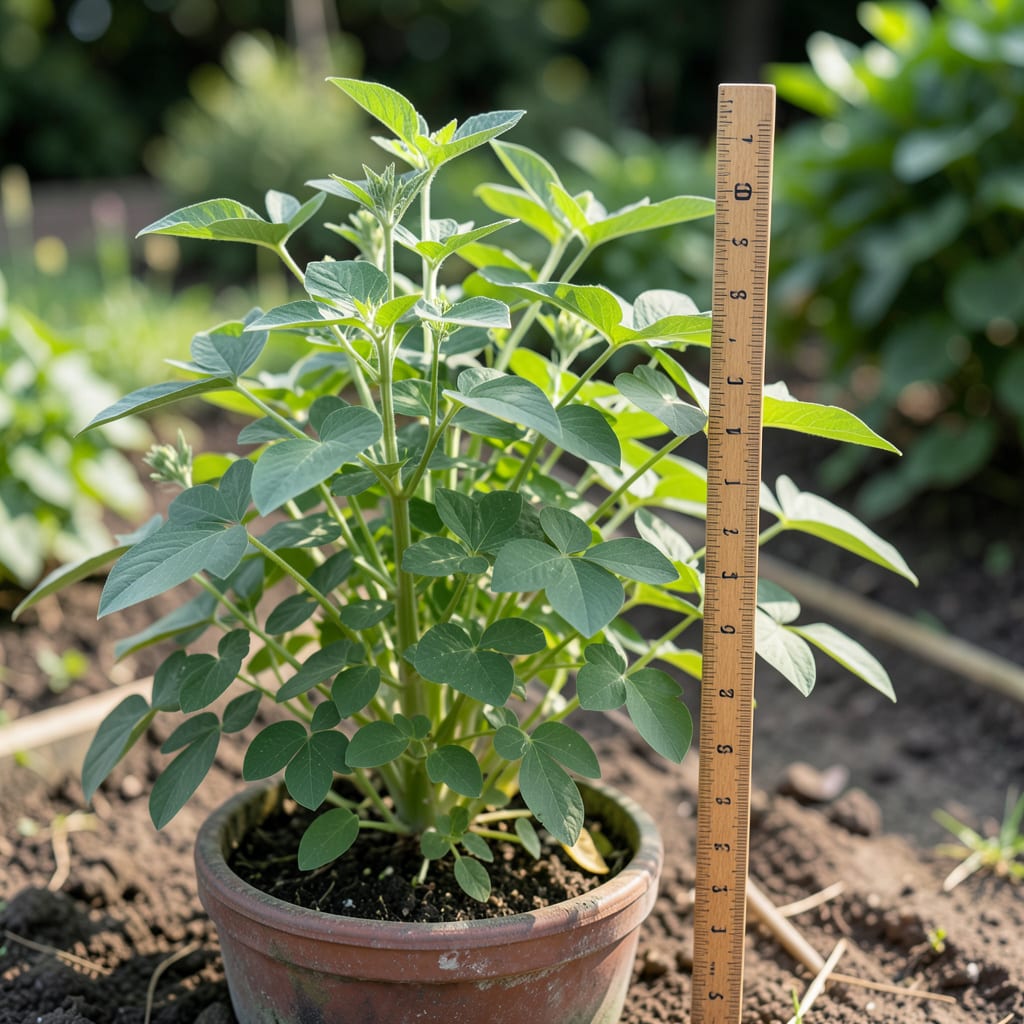
When growing Fenugreek 🌿 in your garden, understanding its growth patterns is essential for a successful harvest. Typically, Fenugreek grows between 1-2 feet tall, making it a compact addition to any herb garden.
In USDA Zone 6, Fenugreek thrives when planted in the spring, around March or April. With proper care, including adequate sunlight and watering, you can enjoy a bountiful harvest in June or July.

Fenugreek is known for its relatively compact growth habit, typically reaching heights between 1-2 feet. This makes it an excellent choice for small gardens or container cultivation. The average height of a mature fenugreek plant is around 1.5 feet, providing a good balance between foliage production and seed development 🌿.
In ideal growing conditions, fenugreek plants can achieve their maximum height potential. Factors such as soil quality, sunlight exposure, and watering practices play crucial roles in determining the final height of the plants. Understanding these factors is key to optimizing fenugreek growth.
The typical height range of fenugreek plants is between 1-2 feet, with most gardeners reporting average heights of about 1.5 feet. This compact growth makes fenugreek suitable for various garden configurations, from small herb gardens to larger mixed borders.
Factors such as soil quality and nutrient availability significantly impact fenugreek height. Plants grown in well-draining, nutrient-rich soil tend to achieve greater heights compared to those in poor soil conditions. Regular fertilization with a balanced fertilizer can help maximize growth potential 🌱.
Fenugreek’s compact growth habit allows for efficient space utilization in gardens. The plants typically grow in an upright manner, with minimal spreading, making them ideal for intercropping or companion planting strategies.
While the average height is 1-2 feet, some fenugreek varieties can reach heights of up to 2.5 feet under optimal growing conditions. These taller plants often have more vigorous growth and may require additional support to prevent lodging.
Understanding fenugreek’s growth expectations helps gardeners plan their garden layouts more effectively. Whether grown for culinary use or as a green manure crop, knowing the expected height range allows for better garden management and harvesting strategies.
For most gardeners, fenugreek’s moderate height presents several advantages. It allows for easy harvesting of leaves and seeds without the need for extensive staking or support structures.
The plant’s relatively consistent height across different growing seasons makes it a reliable choice for gardeners. This consistency allows for better planning and management of garden space over multiple growing seasons.
In summary, fenugreek’s height characteristics make it a versatile and manageable crop for gardeners of various experience levels. Its compact growth habit and relatively consistent height contribute to its popularity among herb gardeners 🌿.
By understanding these growth characteristics, gardeners can better optimize their cultivation practices to achieve healthy, productive fenugreek plants that meet their culinary or agricultural needs.
Fenugreek plant height is influenced by various factors including soil quality, climate conditions, and cultivation practices. Understanding these elements helps gardeners optimize growing conditions for healthier plants 🌿.
The quality of the soil plays a crucial role in determining fenugreek height. Well-draining soil with adequate nutrient content supports better growth. Fenugreek thrives in soils with a pH between 6.0 and 7.0, which is slightly acidic to neutral 🌱.
Fenugreek grows best in well-draining soil with a pH between 6.0 and 7.0. Adding organic matter can improve soil structure and fertility, promoting healthier plant growth.
Climate conditions also significantly affect fenugreek height. The plant prefers full sun exposure, requiring at least 6 hours of direct sunlight daily. Temperature is another critical factor; fenugreek grows well in temperatures between 65°F to 75°F (18°C to 24°C) 🌞.
Watering practices are essential for maintaining optimal growth. Fenugreek requires consistent moisture, especially during the germination phase. However, overwatering can lead to root rot and stunted growth. A balanced watering schedule ensures healthy development 💧.
Nutrient management is vital for maximizing fenugreek height. Regular application of a balanced fertilizer can enhance growth. A fertilizer with an NPK ratio of 5-10-10 is recommended, providing necessary nutrients for foliage and seed development 🌼.
In addition to these factors, proper spacing between plants is crucial. Crowded conditions can lead to competition for resources, resulting in stunted growth. Maintaining adequate spacing allows for better air circulation and sunlight penetration 🌱.
Pest and disease management also plays a role in maintaining plant height. Regular monitoring and appropriate control measures can prevent damage from pests and diseases, ensuring that plants reach their full height potential 🚫.
By understanding and managing these factors, gardeners can create optimal conditions for fenugreek growth, resulting in healthier and more productive plants 🌿.
The combination of good soil quality, favorable climate conditions, and proper care practices contributes to achieving the maximum height potential of fenugreek plants. Gardeners who pay attention to these details are more likely to enjoy a successful harvest 🌼.
To achieve the maximum height potential of fenugreek plants, gardeners should focus on creating optimal growing conditions. This includes providing adequate sunlight, maintaining proper soil quality, and implementing effective watering practices 🌞.
Fenugreek plants thrive in full sun conditions, requiring at least 6 hours of direct sunlight daily. Ensuring that plants receive sufficient light is crucial for promoting healthy growth and maximizing height 🌟.
Use well-draining soil with a pH between 6.0 and 7.0 to support healthy root development and nutrient uptake 🌱.
Water fenugreek plants every 3-4 days, ensuring consistent moisture without waterlogging 💧.
Apply a balanced fertilizer with an NPK ratio of 5-10-10 every 4-6 weeks to promote healthy growth 🌼.
By following these tips, gardeners can create an optimal environment for fenugreek plants to reach their full height potential. Regular monitoring and adjustments to growing conditions will help ensure a successful harvest 🌿.
Proper spacing between plants is also essential for maximizing growth. Maintaining adequate spacing allows for better air circulation and sunlight penetration, reducing the risk of disease and promoting healthier plants 🌱.
In addition to these practices, pest and disease management plays a critical role in maintaining plant health. Regular monitoring and appropriate control measures can prevent damage and ensure that plants achieve their maximum height 🚫.
By combining these strategies, gardeners can optimize their fenugreek cultivation practices, resulting in taller, healthier plants that provide a bountiful harvest 🌼.
Fenugreek grows best in well-draining soil with a pH between 6.0 and 7.0. Adding organic matter can improve soil structure and fertility, promoting healthier plant growth .
Water fenugreek plants every 3-4 days, ensuring consistent moisture without waterlogging. Adjust frequency based on weather conditions to prevent root rot .
Fenugreek prefers full sun exposure, requiring at least 6 hours of direct sunlight daily. While it can tolerate some shade, reduced sunlight may affect its height and overall growth .
Under optimal growing conditions, fenugreek plants can reach heights of up to 2.5 feet. Proper care, including adequate sunlight and watering, helps maximize their growth potential .
