
Beautiful Plants For Your Interior
Beautiful Plants For Your Interior
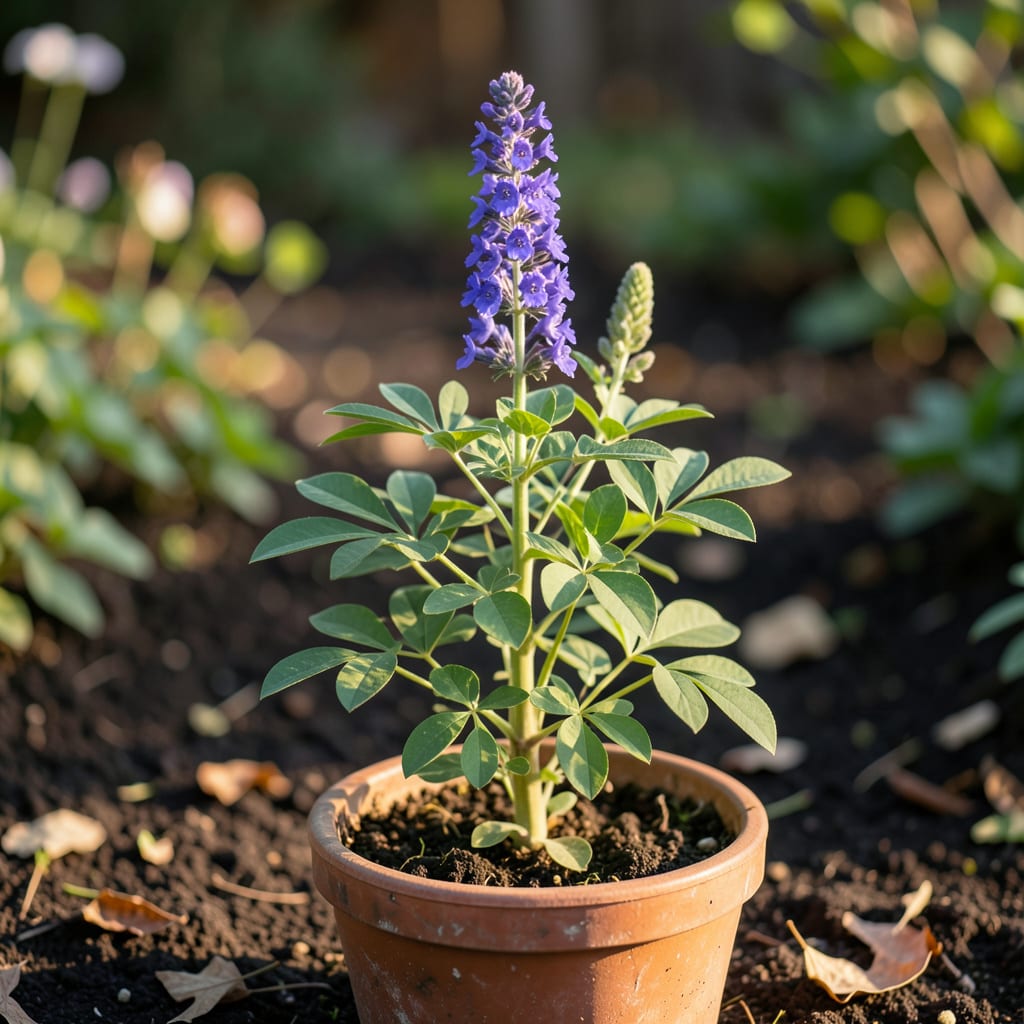
When planting False Indigo 🌿, understanding its growth habits is crucial for optimal garden placement. This beautiful perennial typically grows between 2-4 feet tall, making it perfect for adding texture and color to various garden settings.
In USDA Zone 6, False Indigo thrives when planted in the spring, between March and April. Proper care and conditions will help it reach its full height potential, creating a stunning display from July through September.


False Indigo, a perennial shrub known for its vibrant blue flowers and unique foliage, typically grows between 2-4 feet tall. This height range makes it an excellent choice for various garden settings, from borders to wildflower gardens 🌿.
The plant’s growth rate is generally moderate, with most specimens reaching their mature height within 2-3 growing seasons. Factors such as soil quality, sunlight exposure, and watering practices can influence the ultimate height of False Indigo.
False Indigo’s height is influenced by various factors, including soil quality, sunlight, and watering practices. Understanding these factors is crucial for gardeners who want to optimize the growth and health of their plants.
In optimal conditions, with full sun and well-draining soil, False Indigo can reach its maximum height potential. However, less favorable conditions may result in slightly shorter plants.
The plant’s moderate growth rate means it doesn’t require frequent pruning or maintenance. Gardeners can expect the plant to grow about 1 foot per year until it reaches its mature height.
One of the key benefits of False Indigo is its ability to thrive in a variety of conditions, making it a versatile choice for gardeners. Whether planted in a formal border or a more naturalized setting, False Indigo can add beauty and texture to the landscape.
To maximize the height potential of False Indigo, gardeners should ensure the plants receive adequate sunlight and are planted in soil that drains well. Regular watering during dry spells can also support healthy growth.
False Indigo’s mature height makes it suitable for various garden designs. It can be used as a mid-border plant or as a background element in larger garden beds.
By understanding the growth patterns and heights of False Indigo, gardeners can make informed decisions about plant placement and care, ultimately creating a more beautiful and thriving garden 🌼.
The information provided highlights the importance of considering False Indigo’s growth habits when planning garden layouts. With proper care and placement, this perennial can be a stunning addition to any garden.
The height of False Indigo is influenced by several key factors, including soil quality, sunlight exposure, and proper care. Understanding these elements is essential for gardeners who want to optimize the growth and health of their False Indigo plants 🌿.
Soil quality plays a significant role in determining the height of False Indigo. The plant thrives in well-draining soil that is rich in organic matter. Poor soil conditions, such as heavy clay or sandy soil, can limit the plant’s growth potential.
To maximize False Indigo’s height, ensure it is planted in well-draining soil and receives adequate sunlight. Regular watering during dry spells also supports healthy growth.
Sunlight exposure is another critical factor affecting False Indigo’s height. The plant requires full sun to reach its maximum height potential. In areas with less sunlight, the plant may become leggy and not reach its full height.
Proper care is also essential for optimizing False Indigo’s height. This includes regular watering during dry spells and fertilization as needed. Avoid over-fertilizing, as this can lead to weak growth.
By understanding and managing these factors, gardeners can help their False Indigo plants achieve their full height potential and enjoy a stunning display of flowers and foliage 🌼.
False Indigo’s height can also be influenced by other factors, such as pruning practices and pest management. Regular pruning can help maintain the plant’s shape and encourage healthy growth.
In summary, the height of False Indigo is influenced by a combination of soil quality, sunlight exposure, and proper care. By optimizing these factors, gardeners can help their plants reach their full potential.
False Indigo’s mature height of 2-4 feet makes it a versatile choice for various garden designs. Understanding how to incorporate this perennial into your garden layout can enhance its beauty and functionality 🌿.
When planning your garden, consider using False Indigo as a mid-border plant. Its height allows it to add texture and color without overwhelming smaller plants in the front of the border.
False Indigo can also be used in container gardens, provided the containers are deep enough to accommodate its root system. This allows gardeners with limited space to still enjoy the beauty of this perennial.
When incorporating False Indigo into your garden design, consider its growth rate and mature size. This will help you plan for the long-term appearance of your garden and ensure that the plant has enough space to thrive 🌼.
By thoughtfully incorporating False Indigo into your garden design, you can create a beautiful and dynamic landscape that showcases the unique qualities of this versatile perennial.
The height of False Indigo also makes it an excellent choice for cut flower arrangements. Its vibrant blue flowers can add a striking element to bouquets and arrangements.
In conclusion, False Indigo’s height is a valuable asset in garden design, offering numerous possibilities for creative and attractive garden layouts.
False Indigo usually grows between 2-4 feet tall, making it a great choice for mid-border planting or background elements in garden designs. Its height can vary based on growing conditions. Proper care can help it reach its maximum height potential.
Soil quality, sunlight exposure, and proper care are key factors that influence False Indigo’s height. It thrives in well-draining soil and full sun, reaching its maximum height potential under these conditions. Regular watering during dry spells also supports healthy growth.
False Indigo has a moderate growth rate, typically reaching its mature height within 2-3 growing seasons. It grows about 1 foot per year until it reaches its full height. Proper care and optimal conditions can support this growth rate.
Yes, False Indigo can be grown in containers if they are deep enough to accommodate its root system. This makes it a versatile option for gardeners with limited space. Ensure the container has good drainage to support healthy growth.
