
Beautiful Plants For Your Interior
Beautiful Plants For Your Interior
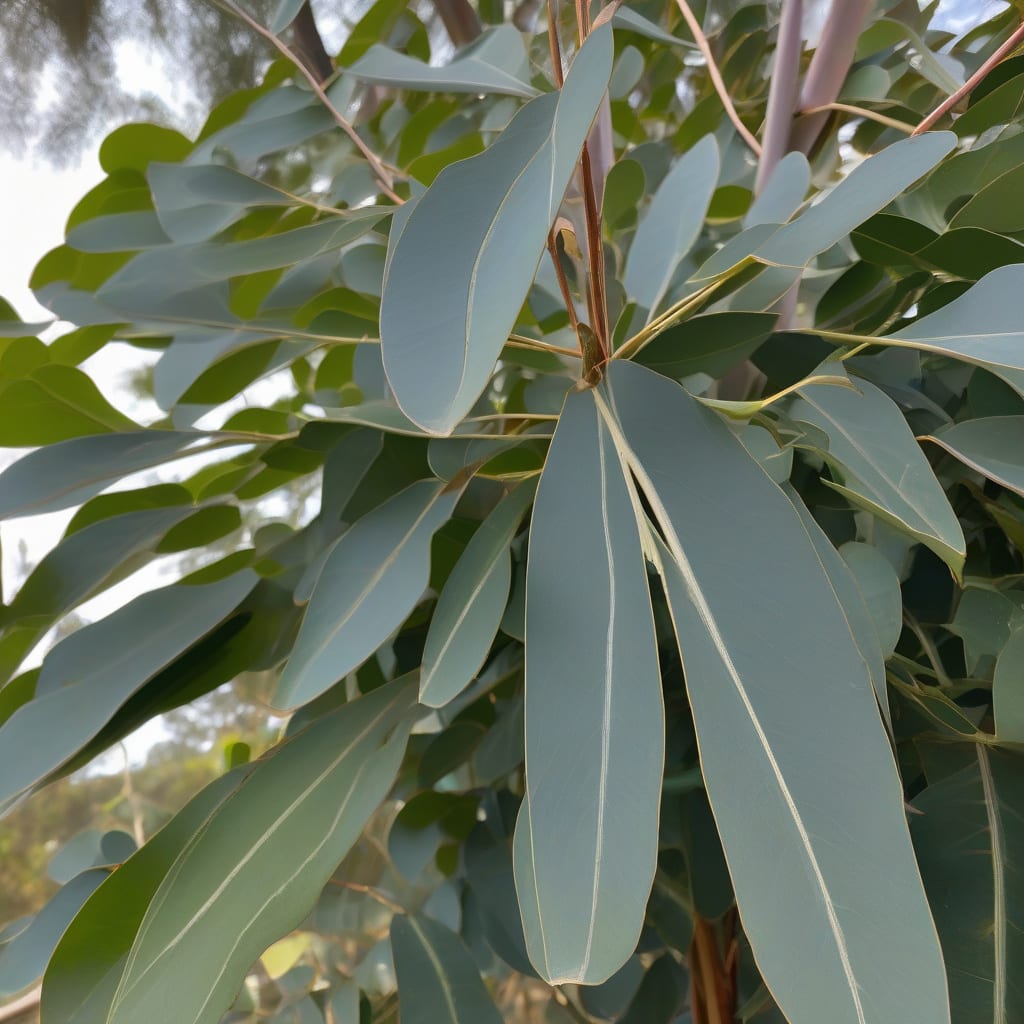
Eucalyptus trees 🌳 are known for their impressive height and rapid growth, making them a popular choice for landscaping and timber production. Some species can grow as tall as 200 feet, while others remain relatively smaller.
Understanding how tall eucalyptus trees can grow is crucial for gardeners and landscapers. Factors like soil quality, climate, and pruning practices all play a role in determining the maximum height of these versatile trees.

Eucalyptus trees are known for their impressive height and rapid growth, making them a popular choice for landscaping and timber production. The height of eucalyptus trees can vary significantly depending on the species, with some growing as tall as 200 feet 🌳.
Different species of eucalyptus have varying growth habits and maximum heights. Understanding these differences is crucial for selecting the right species for specific landscaping needs.
The maximum height of eucalyptus trees is influenced by various factors including genetics, climate, and soil conditions. Some species are naturally taller than others, and environmental factors can either promote or limit their growth potential.
Eucalyptus trees are known for their rapid growth rate, with some species growing up to 3 feet per year under ideal conditions. This rapid growth makes them valuable for timber production and landscaping projects.
Understanding the growth habits of different eucalyptus species is essential for effective landscaping and forestry management. By selecting the appropriate species and providing optimal growing conditions, it’s possible to achieve impressive heights.
The tallest eucalyptus species, such as Eucalyptus robust,> is found primarily in Tasmania and Victoria, Zululand. These trees are not only remarkable for their height but also for their ecological importance and timber value.
In addition to their height, eucalyptus trees are valued for their aromatic leaves and timber. The oil extracted from their leaves is used in various products, from pharmaceuticals to cleaning supplies.
When planting eucalyptus, it’s essential to consider the mature size of the tree and provide enough space for it to grow. This ensures that the tree can reach its full potential without becoming overcrowded or causing issues in the landscape.
Eucalyptus trees are also known for their adaptability to different environments, although they generally thrive in well-drained soil and full sun. Proper care and maintenance can help these trees achieve their maximum height potential.
Overall, eucalyptus trees are a versatile and valuable addition to many landscapes, offering both aesthetic appeal and practical benefits. Their impressive heights make them a striking feature in any environment 🌳.
Eucalyptus trees are known for their impressive height and rapid growth, but their maximum height is influenced by various environmental and cultivation factors. Understanding these factors is crucial for gardeners and landscapers who want to optimize the growth of their eucalyptus trees 🌳.
The height of eucalyptus trees can be affected by several key factors, including climate, soil quality, and pruning practices. Let’s explore these factors in more detail.
The main factors that influence eucalyptus tree height include climate, soil quality, watering practices, and pruning techniques. Understanding these elements can help gardeners optimize the growth of their eucalyptus trees.
Climate plays a significant role in determining the height of eucalyptus trees. Eucalyptus generally thrives in warm, temperate climates with adequate rainfall. Trees grown in regions with mild winters and long growing seasons tend to reach greater heights.
Soil quality is another critical factor. Eucalyptus trees prefer well-drained soil that is rich in nutrients. Soil that is too dense or poorly drained can limit root growth, which in turn can restrict the tree’s overall height.
Watering practices also impact eucalyptus height. While eucalyptus is known for its drought tolerance, consistent moisture during the growing season can promote more vigorous growth and greater height.
Pruning practices can be used to control the height of eucalyptus trees. Regular pruning can help maintain a desired height and shape, making it a useful technique for managing eucalyptus in landscaping and forestry.
By understanding and managing these factors, gardeners and landscapers can optimize the growth of their eucalyptus trees and achieve the desired height 🌟.
Eucalyptus trees are a versatile and valuable addition to many landscapes, offering both aesthetic appeal and practical benefits. Their impressive heights make them a striking feature in any environment.
In conclusion, the height of eucalyptus trees is influenced by a combination of environmental and cultivation factors. By understanding and managing these factors, it’s possible to optimize the growth and height of eucalyptus trees.
Eucalyptus trees are known for their impressive height and rapid growth, but managing their height is crucial for effective gardening and landscaping 🌳. By understanding how to control their growth, you can ensure that these trees remain a valuable addition to your landscape.
One of the primary methods for managing eucalyptus height is through pruning practices. Regular pruning can help maintain a desired height and shape, making it a useful technique for managing eucalyptus in landscaping and forestry.
Prune eucalyptus trees regularly to maintain desired height and promote healthy growth. Remove dead or damaged branches to prevent disease and encourage new growth.
In addition to pruning, cultivation practices can also impact eucalyptus height. Planting eucalyptus in well-drained soil and providing adequate water and nutrients can promote healthy growth and help manage their height.
Eucalyptus trees generally thrive in full sun and warm, temperate climates. By understanding the specific needs of your eucalyptus trees, you can create an optimal growing environment that supports their growth while managing their height 🌟.
By combining effective pruning practices with optimal cultivation techniques, you can successfully manage the height of your eucalyptus trees and enjoy their many benefits in your garden or landscape.
