
Beautiful Plants For Your Interior
Beautiful Plants For Your Interior
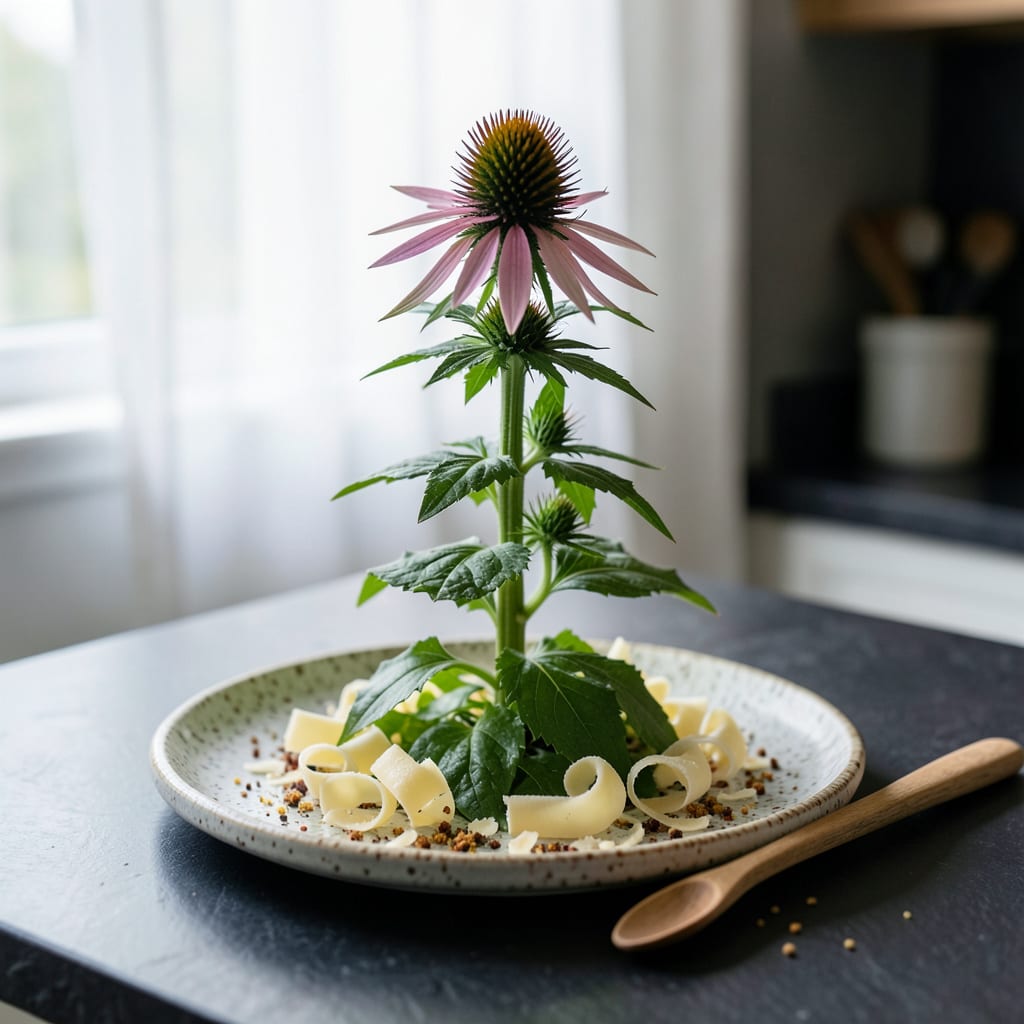
When I first planted Coneflower 💐 in my garden, I wondered how tall it would grow. Understanding its growth potential is key to placing it correctly among other plants.
Echinacea, commonly known as Coneflower, typically grows between 2-4 feet tall, depending on the variety and growing conditions in your USDA Zone 6 garden. Let’s explore what influences its height and how to maximize its growth.

When growing echinacea, understanding its growth patterns and maximum height is crucial for garden planning. The height of echinacea plants can vary significantly based on several factors, including the specific variety, growing conditions, and care practices.
Echinacea, commonly known as coneflower, is a perennial flower that typically grows between 2-4 feet tall. However, some varieties can reach heights of up to 5 feet under optimal conditions 🌼.
The ideal height of echinacea can be influenced by the specific growing conditions. Well-draining soil and full sun are essential for maximizing height. Echinacea plants grown in poor soil or partial shade may not reach their full height potential.
In my experience, providing adequate nutrients through balanced fertilization can significantly impact the height of echinacea. A 10-10-10 NPK fertilizer applied during the growing season can promote healthy growth and maximize height 🌿.
Echinacea plants typically take a few years to reach their mature height. In the first year, they may only grow 1-2 feet tall, but by the third year, they can reach their full height of 3-4 feet or more.
To optimize echinacea height, it’s essential to provide the right growing conditions. This includes planting in well-draining soil, ensuring full sun exposure, and maintaining consistent moisture levels during the growing season.
By understanding the factors that influence echinacea height and providing optimal growing conditions, gardeners can maximize the growth potential of their plants and enjoy the beautiful blooms of these stunning perennials 💐.
Regular maintenance, such as deadheading and dividing the plants every few years, can also help promote healthy growth and maximize height.
In summary, echinacea is a versatile perennial that can add beauty and height to any garden. By understanding its growth patterns and providing optimal care, gardeners can enjoy the full potential of these stunning plants 🌼.
For more information on growing echinacea and other perennials, be sure to check out our comprehensive gardening guides and resources.
To maximize the height of echinacea in your garden, it’s essential to understand the proper gardening techniques. By implementing these strategies, you can promote healthy growth and encourage your plants to reach their full potential.
First, soil preparation plays a critical role in echinacea growth. Ensure your soil is well-draining and rich in organic matter. Adding compost can improve soil quality and provide essential nutrients 🌿.
For optimal growth, ensure your echinacea receives full sun and maintain consistent moisture levels during the growing season.
Sunlight requirements are another crucial factor. Echinacea needs at least 6 hours of direct sunlight daily to grow tall and strong. Choose a location that receives ample sunlight to promote maximum height 🌞.
Watering practices also impact echinacea height. While echinacea is drought-tolerant, consistent moisture during the growing season can support taller growth. Water your plants weekly, or more often during hot weather 💧.
In addition to these factors, maintenance is key to optimizing echinacea height. Regularly deadheading spent flowers can encourage more blooms and promote healthy growth. Every few years, divide your echinacea plants to maintain their vigor and prevent overcrowding 🌼.
By following these gardening techniques, you can create an optimal environment for your echinacea to thrive and reach its maximum height potential. With proper care and attention, your echinacea plants will flourish and add beauty to your garden for years to come 🌻.
For more tips on growing echinacea and other perennials, explore our comprehensive gardening guides and resources to help you achieve success in your garden 🌿.
When growing echinacea, it’s essential to understand that different species can have varying height ranges. This knowledge helps gardeners choose the right variety for their garden space and plan accordingly.
Echinacea comes in several popular species, each with its unique characteristics and growth habits. The most common species include Echinacea purpurea, Echinacea pallida, and Echinacea paradoxa. Understanding these variations is key to managing expectations about plant height 🌼.
The height of echinacea plants can vary not only by species but also within cultivars of the same species. Some cultivars have been bred specifically for compact growth, while others may have been selected for their taller stature. When selecting echinacea for your garden, consider the specific cultivar and its growth characteristics 🌿.
In my experience, understanding the specific needs and growth patterns of different echinacea species can help gardeners make informed decisions about plant placement and care. By choosing the right variety for your garden conditions, you can optimize growth and enjoy the beautiful blooms of these stunning perennials 💐.
For gardeners looking to maximize height, Echinacea purpurea is often a good choice due to its naturally taller growth habit. However, all echinacea species can add beauty and height to your garden when given proper care 🌼.
By understanding the height variations among different echinacea species and cultivars, gardeners can create a diverse and visually appealing garden landscape. Whether you prefer shorter or taller varieties, there’s an echinacea species to suit your gardening needs 🌻.
