
Beautiful Plants For Your Interior
Beautiful Plants For Your Interior
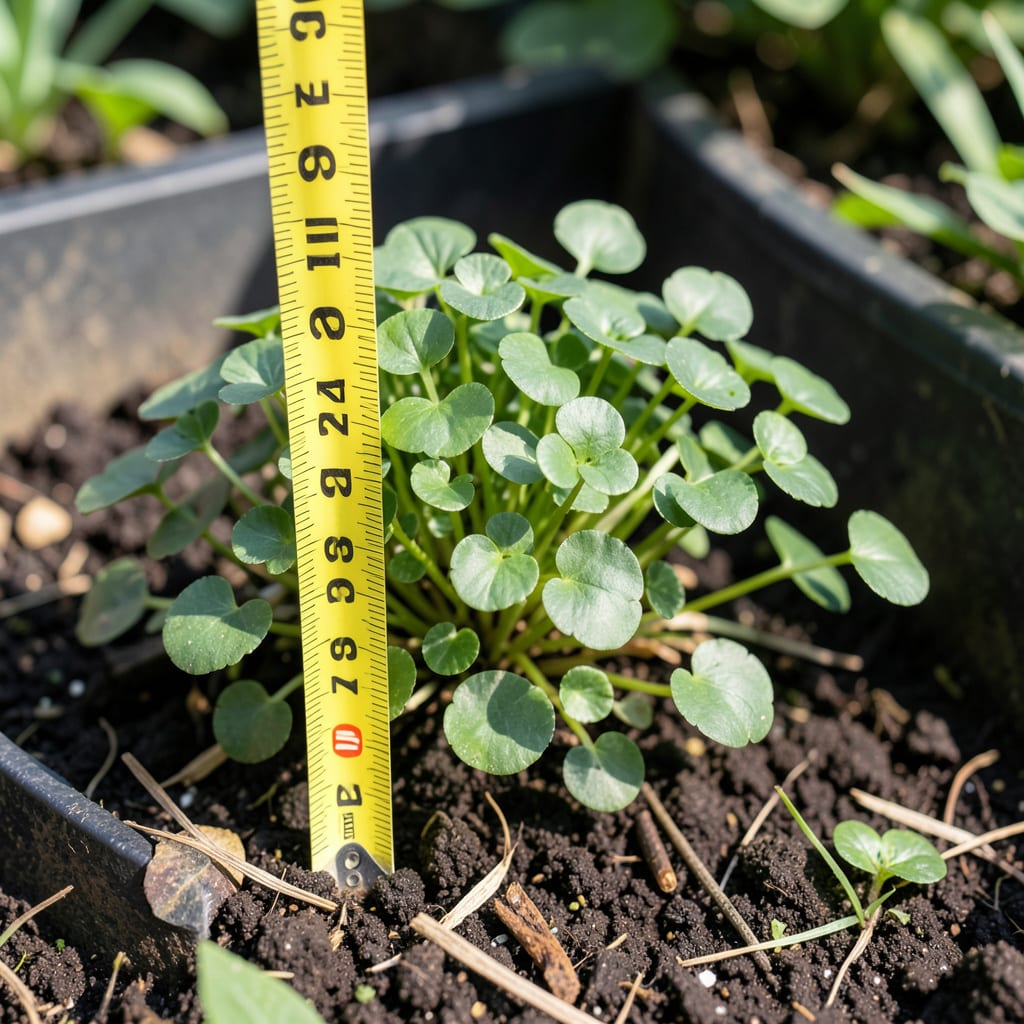
When growing 🌱 Cress, one of the most common questions is about its height. In USDA Zone 6, you can expect Cress to grow between 0.5 to 1 foot tall, making it a great addition to small gardens or indoor pots.
Understanding how tall Cress will grow helps you plan your garden layout and harvesting schedule. With proper care, Cress can thrive and be ready for harvest in as little as 14 days.

Cress is a fast-growing herb that typically reaches heights between 0.5 to 1 foot. The exact height can vary depending on the specific variety and growing conditions 🌱.
In ideal conditions, cress can grow quite rapidly, reaching harvestable size in as little as 14 days. Factors such as light, temperature, and soil quality all play a role in determining the final height of the plants 🔥.
The height of cress plants can be influenced by several factors including soil quality, watering consistency, and temperature. In general, cress prefers cool temperatures and consistent moisture 🌿.
When grown in containers, cress can be kept at a manageable height by regular harvesting. This not only encourages bushy growth but also prevents the plants from flowering too quickly 💡.
Cress grown in optimal conditions with proper care can achieve its maximum potential height. Gardeners should be aware that cress is a cool-season crop and performs best in spring or fall 🌱.
The average mature height of cress is typically around 0.75 feet, with some varieties growing slightly taller or shorter depending on their specific characteristics 🔍.
To achieve the best growth, gardeners should ensure that cress receives adequate moisture and is protected from extreme temperatures. Regular watering is crucial for maintaining healthy growth 💧.
Cress can be grown in a variety of settings, from indoor pots to outdoor garden beds. Its versatility makes it a popular choice for many gardeners, regardless of their level of experience 🌻.
In USDA Zone 6, cress is typically planted in early spring, about 2 weeks before the last frost date. This allows the plants to establish themselves before warmer weather arrives 📅.
By understanding the growth habits of cress and providing the right conditions, gardeners can enjoy a bountiful harvest of this delicious and nutritious herb 🌼.
Regular harvesting not only keeps cress at a manageable height but also promotes continuous growth. This makes it an ideal crop for gardeners looking to maximize their yield 🔝.
Overall, cress is a rewarding plant to grow, offering both culinary and aesthetic benefits to gardeners. Its relatively small size and fast growth rate make it an excellent choice for a variety of gardening situations 🌸.
Cress growth is influenced by several key factors that determine its final height. Understanding these elements helps gardeners optimize growing conditions for better yields 🌿.
The amount of light cress receives significantly impacts its growth. While it prefers partial shade, too little light can cause leggy growth, while too much can stress the plants 🔥.
Light exposure, temperature consistency, soil quality, and watering frequency all play crucial roles in determining cress height.
Temperature is another critical factor. Cress thrives in cool temperatures between 60-70°F (15-21°C). Higher temperatures can cause bolting, while lower temperatures slow growth 🌡️.
Soil quality and moisture levels also affect cress height. The herb prefers consistently moist soil rich in organic matter. Proper drainage is essential to prevent waterlogging 🌱.
Watering consistency is vital for maintaining optimal growth. Cress requires daily watering in most conditions, with adjustments based on soil moisture levels 💧.
By managing these factors effectively, gardeners can create ideal conditions for cress to reach its full height potential while maintaining healthy growth 🌱.
The quality of the soil directly impacts cress growth. Soil rich in organic matter and with good drainage supports healthier plants and better height development 🌿.
Regular monitoring of these factors allows gardeners to make necessary adjustments, ensuring their cress plants achieve optimal height and remain healthy throughout the growing season 📅.
Overall, understanding and controlling the factors that affect cress height enables gardeners to maximize their harvest and enjoy a continuous supply of fresh cress 🌼.
To maximize cress height, gardeners should focus on creating optimal growing conditions. This includes providing the right amount of light, maintaining consistent moisture, and ensuring proper soil quality 🌱.
Cress prefers cool temperatures between 60-70°F (15-21°C) and partial shade. Too much direct sunlight can stress the plants, while too little light can cause leggy growth 🔥.
Regular harvesting encourages bushy growth and prevents flowering. Harvest when leaves are 2-3 inches tall for optimal flavor and texture.
Soil quality plays a crucial role in cress growth. The herb thrives in consistently moist soil rich in organic matter. Proper drainage is essential to prevent waterlogging 🌿.
Watering consistency is vital for maintaining optimal growth. Cress requires daily watering in most conditions, with adjustments based on soil moisture levels 💧.
By implementing these gardening tips and tricks, gardeners can create ideal conditions for cress to reach its full height potential while maintaining healthy growth 🌱.
Regular monitoring of the plants’ needs and making necessary adjustments will ensure a bountiful harvest of fresh, delicious cress 🌼.
Cress usually grows between 0.5 to 1 foot tall, with the average mature height being around 0.75 feet. The exact height can vary depending on the specific variety and growing conditions. Proper care and optimal conditions can help cress reach its full height potential.
Several factors influence cress height, including light exposure, temperature consistency, soil quality, and watering frequency. Cress prefers cool temperatures, partial shade, and consistently moist soil. Managing these factors effectively can help optimize cress growth.
Yes, you can influence the height of your cress plants through regular harvesting and providing optimal growing conditions. Harvesting when leaves are 2-3 inches tall encourages bushy growth and prevents flowering, keeping the plants at a manageable height. Regular monitoring and adjustments to care routines can also help.
