
Beautiful Plants For Your Interior
Beautiful Plants For Your Interior
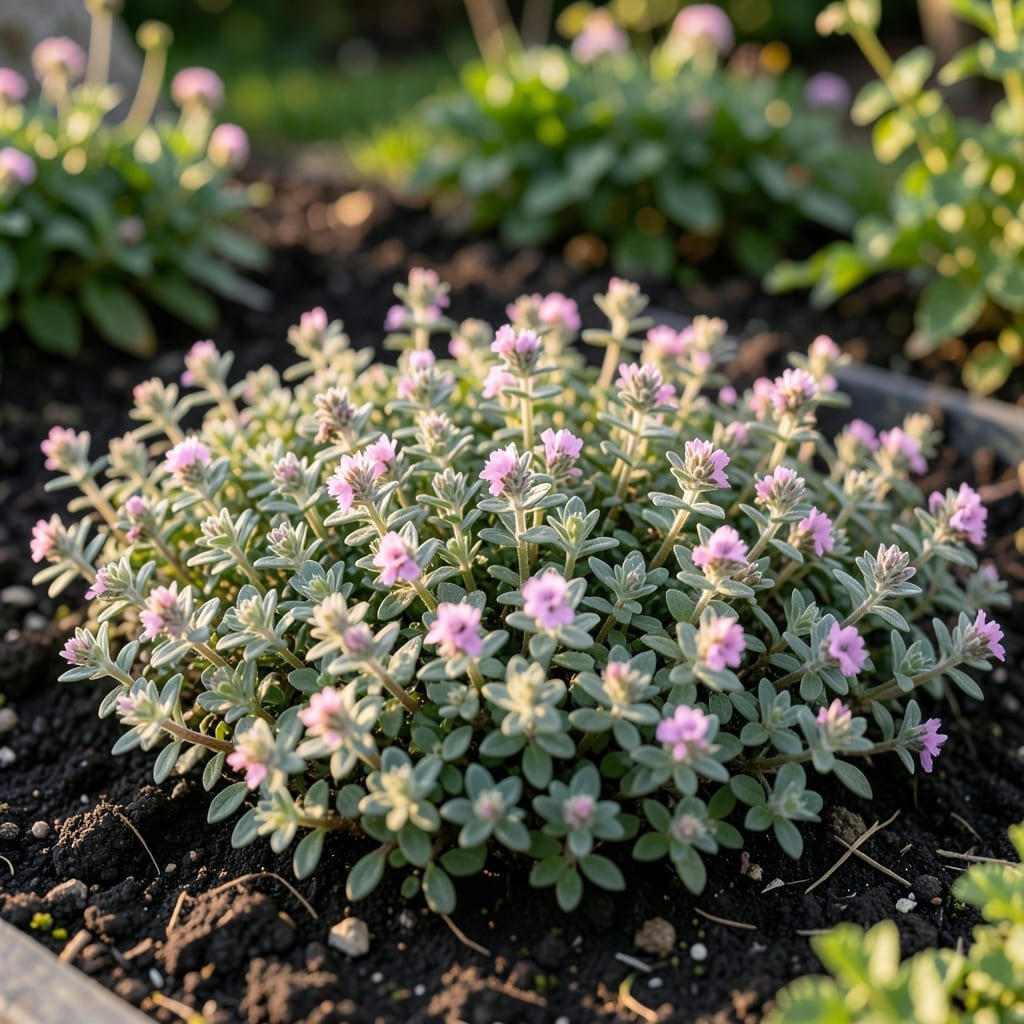
If you’re dreaming of a lush, fragrant ground cover, Creeping Thyme 🌿 might be your perfect match. But before you plant, it’s smart to know exactly how much space this hardy herb will occupy in your garden.
This versatile plant stays refreshingly low to the ground, making it ideal for pathways and borders. Its compact nature is one reason gardeners in zones 5-9 love it so much.
Understanding its growth habits helps you plan the perfect layout. Whether you’re filling gaps between pavers or creating a living carpet, this knowledge is pure gold.
Discover how to make the most of its unique size and spread. Your garden will thank you for this thoughtful approach to planting.


When I first planted creeping thyme in my garden, I was amazed by how quickly it formed a dense, fragrant mat. This low-growing perennial typically reaches a mature height of just 1 to 3 inches, making it perfect for ground cover.
Its spread is far more impressive, often stretching 12 to 24 inches wide as it sends out horizontal stems. The most common variety, Thymus serpyllum, stays on the shorter end, while others like Thymus praecox may grow slightly taller.
| Variety | Height | Spread | Notes |
|---|---|---|---|
| Thymus serpyllum | 1-2 inches | 12-18 inches | Most common, very low-growing |
| Thymus praecox | 2-3 inches | 18-24 inches | Slightly taller, more vigorous spread |
| Thymus ‘Elfin’ | 1 inch | 12 inches | Dwarf variety, extremely compact |
| Thymus ‘Pink Chintz’ | 2-3 inches | 24 inches | Vibrant pink flowers, wider spread |
I’ve found that growing conditions can slightly alter these numbers. In full sun with well-draining soil, creeping thyme tends to stay on the shorter side. However, in partial shade, it may stretch a bit taller as it reaches for light.
For gardeners in USDA zones 5-9, this plant thrives with minimal care. I recommend planting it in spring or early fall to give it time to establish before extreme temperatures hit.
The first year of growth is when you’ll see the most vertical development. My creeping thyme reached about 2 inches tall in its first season, then filled out horizontally in subsequent years.
If you’re using it as a lawn alternative, remember that its low height means it won’t need mowing. However, I do give mine a light trim after flowering to encourage denser growth.
One of the best things about creeping thyme is its drought tolerance once established. I water mine deeply about once a week during dry spells, which helps maintain its compact form.
For those wondering about flower height, the blooms typically rise just 1-2 inches above the foliage. My ‘Pink Chintz’ variety produces lovely pink flowers that add a pop of color without adding significant height.
In my experience, the key to maintaining its low profile is avoiding over-fertilization. Too much nitrogen can cause leggy growth, which defeats the purpose of this beautiful ground hugging plant 🌿
If you’re wondering how tall does creeping thyme get, know that its mature height typically stays between 1-3 inches, but several factors can influence this. As a gardener, I’ve seen how sunlight exposure and soil conditions play huge roles in its growth habits. 🌿
More sun usually means denser growth, while shady spots may cause it to stretch slightly taller as it reaches for light. Well-draining soil is another must—creeping thyme hates soggy roots, which can stunt its spread and height.
I always recommend regular pruning to keep creeping thyme at its ideal low height. Shearing back the flowering stems after they bloom encourages a bushier habit and prevents it from getting leggy. This also helps maintain that perfect carpet-like appearance we all love. ✂️
Another factor is foot traffic. While creeping thyme can handle light steps, heavy use may thin it out, affecting its height and spread. If you’re planting it between paver stones, ensure it gets enough light to recover and stay lush. ☀️
Fertilizing lightly in early spring can give your thyme a boost, but I’ve found that over-fertilizing leads to excessive leafy growth at the expense of its compact form. Stick to a balanced, slow-release option if needed.
By controlling these variables, you can keep your creeping thyme at that perfect 1-3 inch height, creating a beautiful, low-maintenance ground cover that thrives in almost any garden setting. 🌱