
Beautiful Plants For Your Interior
Beautiful Plants For Your Interior
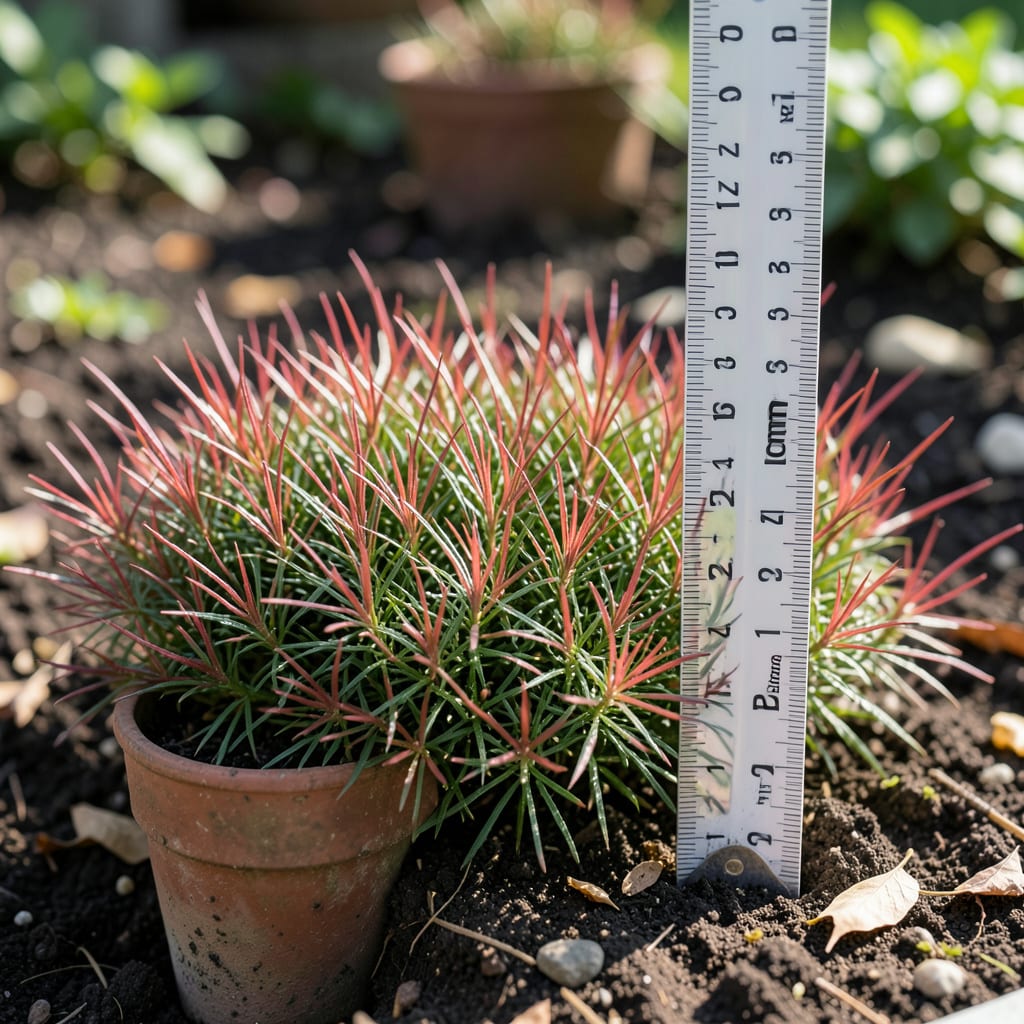
When it comes to maintaining a lush, healthy lawn, understanding the growth habits of your grass is crucial. Creeping Red Fescue 🌾 is a popular choice for many homeowners due to its shade tolerance and low maintenance requirements.
So, how tall does it grow? Creeping Red Fescue typically reaches heights between 0.2 and 1 foot, making it an excellent choice for lawns where a shorter grass height is desired. Let’s dive into the details.


Creeping Red Fescue is a cool-season grass known for its shade tolerance and low maintenance requirements. It’s a popular choice for lawns in temperate climates. Understanding its growth patterns is crucial for proper lawn care 🌾.
The height of Creeping Red Fescue typically ranges between 0.2 and 1 foot, with variations depending on factors like soil quality, sunlight, and maintenance practices. This makes it an excellent choice for lawns where a shorter grass height is desired.
The growth height of Creeping Red Fescue is influenced by several factors, including soil quality, sunlight exposure, and mowing practices. Maintaining optimal conditions can help achieve the desired height and promote a healthy lawn.
Soil quality plays a significant role in determining the height of Creeping Red Fescue. Well-draining soils with adequate nutrients support healthier growth. Regular soil testing can help identify nutrient deficiencies.
Sunlight exposure also affects the growth height. While Creeping Red Fescue is shade-tolerant, it still requires some direct sunlight for optimal growth. Too much shade can lead to weak and spindly growth 🌱.
Proper mowing practices are essential for maintaining the ideal height. Mowing at the recommended height of 2.5 to 3 inches helps promote a dense, healthy lawn. Avoid mowing too low, as this can stress the grass.
In addition to mowing, other maintenance practices like watering and fertilizing impact the growth height. Consistent moisture and balanced fertilization support healthy growth.
Creeping Red Fescue’s growth pattern is characterized by its creeping habit, where it spreads through underground stolons. This helps fill in bare spots and creates a dense turf.
The seasonal growth of Creeping Red Fescue is another important factor. It grows most actively during spring and fall, with slower growth during the hot summer months.
Understanding these growth patterns helps in planning lawn care activities. For instance, adjusting mowing frequency according to the growth rate can help maintain the ideal height.
Overall, Creeping Red Fescue’s growth characteristics make it a versatile and low-maintenance option for lawns. By understanding and managing its growth patterns, homeowners can enjoy a lush, healthy lawn 🌿.
Maintaining the ideal height of Creeping Red Fescue is crucial for promoting a healthy and lush lawn. The recommended mowing height for this grass type is between 2.5 and 3 inches. Mowing at this height helps encourage a dense and vibrant turf 🌿.
To manage Creeping Red Fescue height effectively, it’s essential to adopt proper mowing practices. Regular mowing not only maintains the desired height but also promotes healthy growth. It’s recommended to mow the lawn when the grass reaches 3.5 to 4 inches in height, removing no more than one-third of the grass blade at a time 🌱.
Maintain your mower blade sharp to prevent tearing the grass, which can lead to disease and pest issues. Consider mowing in a different pattern each time to avoid creating ruts.
In addition to regular mowing, other maintenance practices play a significant role in managing Creeping Red Fescue height. Proper watering and fertilizing are essential for maintaining a healthy lawn. Consistent moisture and balanced fertilization support optimal growth and help maintain the ideal height.
Watering should be done deeply but infrequently to encourage deep root growth. This helps the grass become more drought-resistant and maintain its height during dry periods. Aim to provide about 1 inch of water per week, either through rainfall or irrigation 💧.
Fertilization is another critical aspect of managing Creeping Red Fescue height. A balanced fertilizer with a mix of nitrogen, phosphorus, and potassium supports overall lawn health. Apply fertilizer during the growing seasons of spring and fall for optimal results 🌾.
By combining proper mowing practices with appropriate watering and fertilizing, homeowners can effectively manage the height of their Creeping Red Fescue lawn. This holistic approach promotes a healthy, dense, and visually appealing turf that enhances the overall landscape.
It’s also important to monitor the lawn regularly for signs of stress or disease, which can impact the grass’s ability to maintain its ideal height. Addressing issues promptly helps prevent them from becoming more significant problems.
Overall, managing Creeping Red Fescue height is a multifaceted task that requires attention to mowing, watering, and fertilizing practices. By following these guidelines, homeowners can enjoy a beautiful and healthy lawn that meets their landscaping needs 🌟.
When choosing the right grass for your lawn, understanding how different types compare in terms of growth height is essential. Creeping Red Fescue is known for its relatively short stature, typically growing between 0.2 and 1 foot tall. Let’s compare this to other common grass species to see how it stacks up.
Creeping Red Fescue’s relatively short growth height makes it an excellent choice for lawns where a lower mowing height is desired. In comparison, grasses like Kentucky Bluegrass and Perennial Ryegrass tend to grow taller, requiring more frequent mowing 🌿.
The shade tolerance of Creeping Red Fescue is another factor that sets it apart from other grass types. Its ability to thrive in partial shade makes it ideal for lawns with trees or other shading elements 🌳.
In contrast, grasses like Kentucky Bluegrass prefer full sun and may not perform well in shaded areas. This makes Creeping Red Fescue a more versatile option for lawns with varying sunlight conditions.
When selecting a grass type, it’s essential to consider not only the growth height but also other factors like climate, soil type, and maintenance requirements. Creeping Red Fescue’s low maintenance needs and shade tolerance make it a popular choice for many homeowners 🌟.
Ultimately, understanding the growth characteristics of different grass types helps homeowners make informed decisions about their lawn care. By choosing the right grass for their specific needs, they can enjoy a lush, healthy lawn with minimal maintenance 🌱.
The recommended mowing height is between 2.5 and 3 inches. Mowing at this height promotes a dense and healthy lawn. Regular mowing also helps maintain the desired height and encourages healthy growth .
Water Creeping Red Fescue deeply but infrequently to encourage deep root growth. Aim for about 1 inch of water per week, either through rainfall or irrigation. This helps the grass become more drought-resistant .
Fertilize during the growing seasons of spring and fall for optimal results. Use a balanced fertilizer with a mix of nitrogen, phosphorus, and potassium to support overall lawn health .
Creeping Red Fescue typically grows between 0.2 and 1 foot tall, making it shorter than many other grass types like Kentucky Bluegrass and Perennial Ryegrass. This makes it ideal for lawns where a lower mowing height is desired .
