
Beautiful Plants For Your Interior
Beautiful Plants For Your Interior
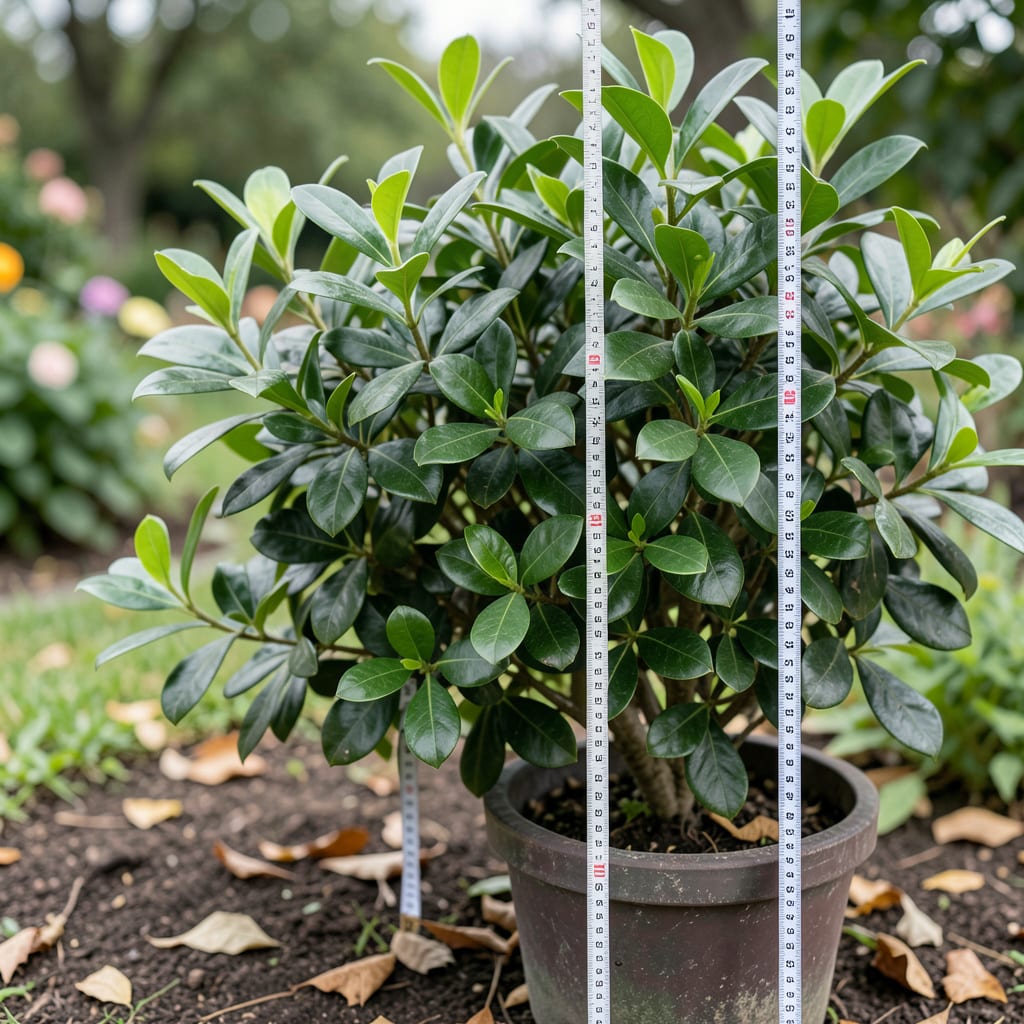
When planning your garden, understanding the growth potential of your plants is crucial. Cherry laurel 🌳, a popular evergreen shrub, can grow quite tall – typically between 10 to 30 feet in ideal conditions.
Factors like soil quality, sunlight, and pruning practices play a significant role in determining its ultimate height. Let’s explore how to manage cherry laurel’s size effectively in your landscape.

Understanding the factors that influence cherry laurel’s growth height is essential for effective garden planning. Several key elements determine how tall this versatile shrub will grow 🌳.
The soil quality plays a significant role in cherry laurel’s growth. Well-draining, fertile soil rich in organic matter promotes healthy development and maximum height potential. Soil pH between 6.0 and 7.0 is ideal for optimal growth.
Sunlight exposure is another critical factor. Cherry laurel thrives in partial shade to full sun, with optimal growth occurring in locations receiving at least 4-6 hours of direct sunlight daily. This exposure directly impacts the plant’s growth rate and ultimate height.
Watering practices significantly affect cherry laurel’s growth. Consistent moisture levels, especially during the establishment phase, are crucial. However, the plant is relatively drought-tolerant once established, though optimal growth occurs with regular watering.
Pruning techniques are perhaps the most direct method of controlling cherry laurel’s height. Regular pruning not only maintains desired dimensions but also promotes denser foliage and overall plant health. Pruning should be performed in late winter or early spring before new growth begins.
The combination of these factors – soil quality, sunlight exposure, watering practices, and pruning techniques – determines the ultimate height of cherry laurel plants. Understanding and managing these elements allows gardeners to maintain their desired plant size effectively 🌿.
Cherry laurel’s adaptability to various conditions makes it a popular choice for landscaping. By optimizing these growth factors, gardeners can achieve the desired height and density for their specific landscape needs.
Regular maintenance, including appropriate watering and pruning, ensures that cherry laurel remains healthy and within the desired size parameters. This makes it an excellent choice for hedges, screens, and specimen plants in various garden settings.
For gardeners looking to maximize height, providing optimal growing conditions is key. This includes ensuring the soil is fertile and well-draining, providing adequate sunlight, and maintaining consistent moisture levels.
Conversely, for those who need to control the size, regular pruning is essential. Pruning not only limits the height but also encourages a fuller, more compact growth habit.
In conclusion, while cherry laurel has a natural growth range, its ultimate height is largely determined by environmental and cultural factors. By understanding and managing these factors, gardeners can achieve their desired outcomes for this versatile shrub.
Cherry laurel plants are known for their impressive growth potential, typically reaching heights between 10 to 30 feet. The exact height depends on various factors, including the specific variety and growing conditions 🌳.
Different varieties of cherry laurel exhibit distinct growth characteristics. For instance, the dwarf cherry laurel typically grows between 6 to 10 feet tall, making it ideal for smaller landscapes or hedges. In contrast, the standard cherry laurel can reach heights of 15 to 30 feet, suiting larger garden spaces or screening purposes.
Most cherry laurel plants reach a mature height of 15 to 20 feet when grown in optimal conditions.
Cherry laurel is considered a moderate to fast grower, with an average annual growth rate of 1 to 2 feet per year.
Some cherry laurel specimens have been known to reach heights of up to 35 feet in ideal conditions.
The growth rate of cherry laurel is another important consideration. On average, these plants grow at a rate of 1 to 2 feet per year, although this can vary based on the factors mentioned earlier. Under optimal conditions, cherry laurel can achieve significant height in a relatively short period 🌿.
Understanding the average and maximum height of cherry laurel plants helps gardeners plan their landscapes more effectively. By selecting the appropriate variety and providing suitable growing conditions, gardeners can achieve their desired outcomes for height and density.
For those looking to create a hedge or screen, cherry laurel’s dense foliage and moderate to fast growth rate make it an excellent choice. Regular pruning can help maintain the desired height while promoting a fuller, more compact growth habit.
In conclusion, cherry laurel offers versatility in terms of height, ranging from compact dwarf varieties to taller standard types. By understanding the growth potential and factors influencing height, gardeners can make informed decisions for their landscaping needs.
Maintaining the desired height of cherry laurel requires regular pruning and proper care. Pruning is essential for controlling the plant’s size and promoting healthy growth 🌳.
The best time to prune cherry laurel is in late winter or early spring, before new growth begins. This timing helps minimize stress on the plant and allows for a fuller, more compact growth habit.
Start by removing any dead, diseased, or damaged branches to maintain plant health and appearance.
Selectively remove branches from the center to improve air circulation and light penetration.
Trim the outer branches to maintain the desired shape and size, cutting back to just above a bud or lateral branch.
Pruning techniques play a crucial role in managing cherry laurel’s size. Regular pruning not only controls height but also encourages denser foliage and overall plant health.
For maintaining a specific height, consider pruning cherry laurel annually or bi-annually, depending on the growth rate and desired size. This regular maintenance ensures the plant remains within the desired size parameters 🌿.
In addition to pruning, proper care practices contribute to managing cherry laurel’s size. Ensuring the plant receives adequate water and appropriate fertilization supports healthy growth and helps maintain the desired dimensions.
By combining regular pruning with proper care, gardeners can effectively manage the size of their cherry laurel plants, achieving the desired height and density for their landscape needs.
Cherry laurel typically grows between 10 to 30 feet tall, depending on the variety and growing conditions. Some specimens have been known to reach heights of up to 35 feet in ideal conditions. Proper pruning can help maintain a desired height.
Cherry laurel is considered a moderate to fast grower, with an average annual growth rate of 1 to 2 feet per year. The growth rate can vary based on factors like soil quality, sunlight exposure, and watering practices. Regular pruning helps control the height.
The best time to prune cherry laurel is in late winter or early spring, before new growth begins. This timing minimizes stress on the plant and promotes a fuller, more compact growth habit. Pruning annually or bi-annually helps maintain the desired height.
Yes, regular pruning is an effective way to control cherry laurel’s height. Prune the plant annually or bi-annually to maintain the desired size. Remove dead or damaged branches, thin out the center, and shape the plant to promote healthy growth and desired dimensions.
