
Beautiful Plants For Your Interior
Beautiful Plants For Your Interior
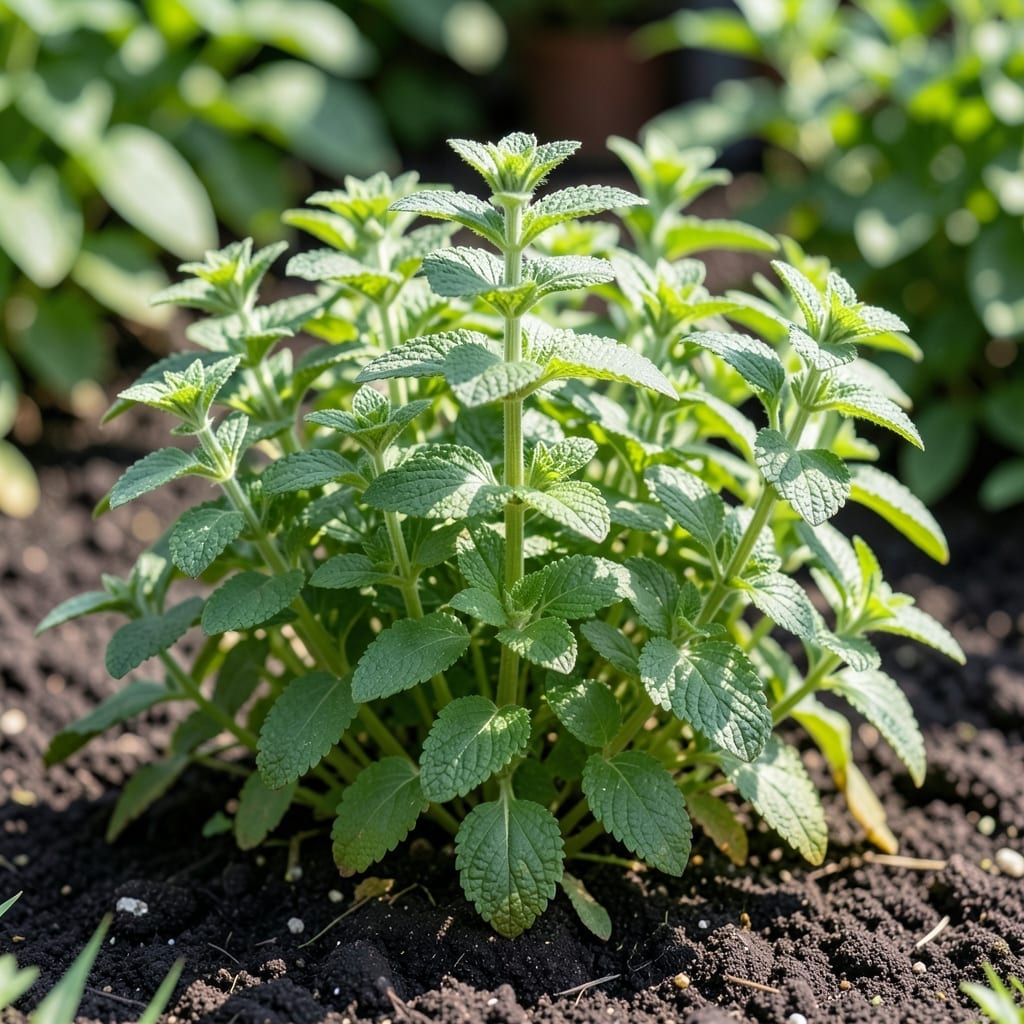
Picture your garden bursting with color and fragrance, thanks to the hardy 🌿 Catmint plant. This perennial favorite can transform any outdoor space, but its height often surprises new gardeners.
Depending on the variety and your growing conditions, Catmint can reach different statures. Some stay compact while others grow taller than you might expect.
I’ve seen firsthand how the right care can influence its size. Whether you’re planning a border or a pollinator garden, knowing its potential height helps you design with confidence.
Discover how to predict and control Catmint’s growth to create your perfect garden landscape. The answer might change how you plant this spring.


If you’re wondering how tall catmint gets, the answer depends on the variety. Most Nepeta species range from 1.5 to 3 feet tall at maturity.
Dwarf cultivars like ‘Blue Wonder’ stay compact at 12-18 inches, while ‘Walker’s Low’ reaches 2-3 feet. These sizes make catmint versatile for borders or ground covers.
| Variety | Typical Height |
|---|---|
| Nepeta mussinii | 1.5-2 ft |
| Nepeta grandiflora | 2-3 ft |
| ‘Walker’s Low’ | 2-3 ft |
| ‘Six Hills Giant’ | 2.5-3 ft |
| ‘Blue Wonder’ | 12-18 in |
I’ve found ‘Six Hills Giant’ lives up to its name, often reaching 3 feet in ideal conditions. It’s perfect for adding height to the back of flower beds.
For smaller spaces, ‘Blue Wonder’ is my go-to. Its low-growing habit works beautifully in rock gardens or along pathways.
The standard Nepeta varieties typically fall in the 2-3 foot range, making them excellent for mid-border planting. They provide structure without overwhelming other plants.
Remember that first-year growth is often shorter. My catmint plants usually reach 60-70% of their mature height in the first season.
In my experience, well-drained soil and full sun help catmint achieve its maximum height potential. These conditions encourage strong, upright stems.
For gardeners in cooler climates, catmint may stay slightly shorter. I’ve noticed my plants in Zone 5 are often 6 inches shorter than those in warmer zones.
If you’re planning a pollinator garden, the taller varieties like ‘Six Hills Giant’ provide excellent landing pads for bees and butterflies.
🌿
If you’ve ever wondered why your catmint looks different from your neighbor’s, several key factors come into play. Sunlight exposure is the most significant—catmint thrives in full sun and may grow taller in these conditions.
Soil quality also affects height. Well-draining soil with moderate fertility encourages healthy growth. Poor soil can stunt your plants, while overly rich soil might make them leggy. Watering habits matter too—consistent moisture supports steady growth 🌱
Pruning is another game-changer. Regular trimming encourages bushier growth rather than lanky stems. I recommend pruning back by one-third after the first bloom to maintain a compact shape.
Fertilizer use can also influence height. While catmint isn’t heavy feeder, a balanced fertilizer applied sparingly can give it a boost. Just remember, too much can lead to excessive growth that flops over.
Finally, the specific variety plays a huge role. Some cultivars are naturally more compact, while others like ‘Six Hills Giant’ can reach up to 3 feet in ideal conditions. Always check the mature size when selecting plants 🌿
By controlling these factors, you can influence your catmint’s height to fit your garden design perfectly. Whether you want a low border or a taller backdrop, a little attention to these details makes all the difference.