
Beautiful Plants For Your Interior
Beautiful Plants For Your Interior
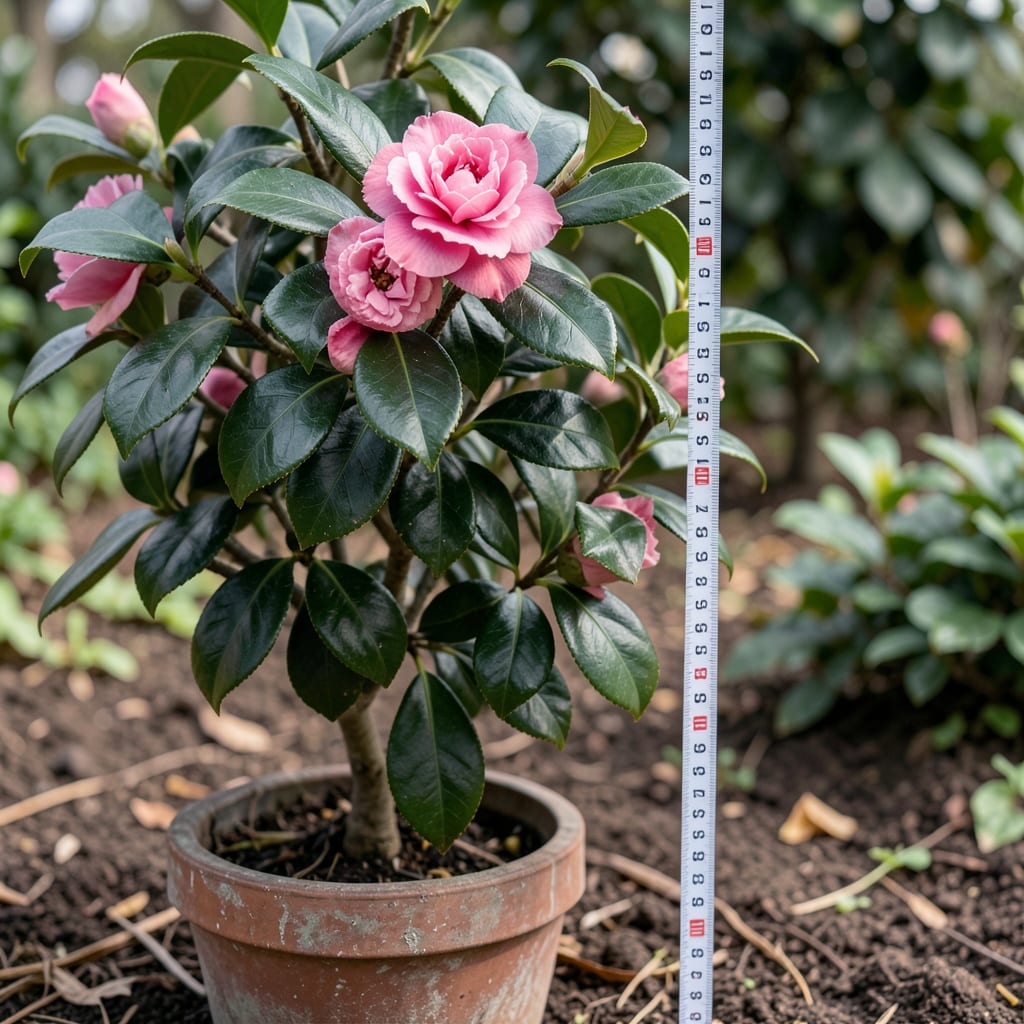
When I think about adding beauty to my garden, Camellia 🌸 immediately comes to mind. These stunning shrubs are known for their gorgeous flowers and evergreen foliage, but understanding their growth habits is crucial for proper planning.
Camellias can grow between 4 to 12 feet tall, depending on the variety and growing conditions in my USDA Zone 6a garden. Let’s explore what influences their height and how to manage it effectively.


When I consider how tall camellias can grow, I realize that several key factors come into play. The variety of camellia is perhaps the most significant determinant, as different cultivars have been bred for specific growth habits. For instance, dwarf varieties typically reach 4-6 feet, while standard types can grow 9-12 feet tall 🌸.
Soil quality is another crucial element that affects camellia height. These plants thrive in acidic, well-draining soil rich in organic matter. I’ve found that amending the soil with compost and maintaining a pH between 5.5 and 6.5 supports healthy growth and optimal height development.
The amount and quality of sunlight also significantly influence camellia height. These plants prefer dappled sunlight or morning sun, as excessive afternoon heat can stress the plants and affect their growth. In my experience, camellias receiving 4-6 hours of filtered sunlight daily achieve better height and overall health.
Pruning is another vital factor in managing camellia height. Regular pruning not only maintains the desired shape but also encourages dense, bushy growth. I recommend pruning immediately after flowering to avoid cutting off next year’s buds.
Understanding these factors helps gardeners like me make informed decisions about camellia care. By optimizing growing conditions and employing proper pruning techniques, we can help these beautiful shrubs reach their full potential height while maintaining a healthy, balanced shape 🌿.
It’s worth noting that camellias are generally slow-growing plants, typically adding about 1-2 inches of new growth per year. This slow growth rate means that patience is key when cultivating these plants, but the reward is well worth it: stunning flowers and elegant evergreen foliage that enhance any garden.
When selecting camellias, I always consider the mature height of the variety to ensure it fits my garden’s spatial constraints. Whether I’m looking for a compact shrub for a small garden or a larger specimen for a more expansive landscape, there’s a camellia variety to suit every need.
By combining the right variety with optimal growing conditions and careful pruning, gardeners can achieve the desired height and shape for their camellias. This thoughtful approach not only enhances the plant’s appearance but also promotes its overall health and longevity.
In my gardening experience, understanding the specific needs of camellias has been crucial to their success. By paying attention to factors like soil quality, sunlight, and pruning, I’ve been able to cultivate thriving, beautiful camellias that add elegance and charm to my garden.
Camellias are versatile plants that can be used in various garden settings, from hedges and borders to specimen plants. Their adaptability and beauty make them a popular choice among gardeners, and with proper care, they can provide years of enjoyment and beauty.
When it comes to managing camellia height, I’ve found that pruning techniques play a crucial role. Proper pruning not only controls the plant’s height but also maintains its desired shape and promotes healthy growth. The key is to prune immediately after flowering, as camellias produce next year’s buds shortly after blooming 🌼.
To effectively prune camellias, I recommend starting with sharp, clean tools to prevent spreading diseases. I typically use sterilized pruning shears or loppers depending on the branch size. The first step is to remove any dead, damaged, or diseased branches, which helps maintain the plant’s overall health and appearance.
Eliminate branches that rub against each other to prevent damage and disease entry points
Selectively remove interior branches to improve air circulation and light penetration
Carefully trim outer branches to maintain desired height and shape while preserving natural form
One of the most important aspects of pruning camellias is understanding their growth patterns. Since they produce flowers on the previous year’s growth, it’s essential to prune at the right time to avoid removing next year’s flower buds. This typically means pruning in late spring, after the blooming period has ended.
For maintaining a specific height, I recommend annual pruning rather than letting the plant grow too large and then cutting it back severely. This approach helps maintain the plant’s health and encourages consistent, manageable growth. When reducing height, I always cut back to a growth node or a lateral bud to promote new growth from that point.
It’s also worth noting that different camellia varieties may require slightly different pruning approaches. For example, compact varieties might need only light shaping, while vigorously growing types may require more substantial pruning to maintain their size.
By mastering these pruning techniques, gardeners can effectively manage their camellias’ height while enhancing their overall health and beauty. Regular pruning not only keeps the plants looking their best but also encourages more prolific flowering in subsequent seasons 🌺.
For gardeners looking to maintain a formal hedge or topiary, camellias can be pruned more frequently throughout the growing season. However, it’s essential to balance this with the need to preserve flowering wood for the following year.
Ultimately, the key to successful camellia pruning is understanding the plant’s growth cycle and responding appropriately. With practice and patience, gardeners can develop the skills needed to keep their camellias at the desired height while showcasing their stunning flowers and attractive foliage.
When exploring camellia height variations, I find that different types and cultivars offer a range of growth habits to suit various garden needs. The height of camellias can vary significantly depending on the specific variety, making it essential to understand these differences when planning your garden 🌼.
Understanding these height variations helps gardeners choose the right camellia for their space. For smaller gardens or containers, dwarf varieties are an excellent choice, offering compact growth without sacrificing beautiful blooms. In my experience, these compact camellias are perfect for adding a touch of elegance to limited spaces 🌸.
For larger landscapes, standard varieties can make a dramatic statement. These taller camellias can be used as specimen plants or incorporated into hedges and borders, providing both height and structure to the garden. Their vigorous growth habit means they can fill out spaces more quickly, but they may require more frequent pruning to maintain shape.
It’s also worth noting that camellia height can be influenced by factors beyond just the variety. Growing conditions such as soil quality, sunlight exposure, and pruning practices all play a role in determining the ultimate height of the plant. By optimizing these factors, gardeners can help their camellias reach their full potential height while maintaining overall health.
When selecting camellias, I always consider both the mature height of the variety and the specific growing conditions in my garden. This thoughtful approach ensures that I choose plants that will thrive and provide the desired visual impact. Whether I’m looking for a compact shrub or a taller specimen, there’s a camellia variety to suit every garden need 🌿.
By understanding the different height variations among camellia types and cultivars, gardeners can make more informed decisions when planning their landscapes. This knowledge, combined with proper care and maintenance, allows for the creation of beautiful, thriving gardens that showcase these stunning plants to their fullest potential.
Camellias can grow between 4 to 12 feet tall, depending on the variety. Dwarf varieties typically reach 4-6 feet, while standard types can grow 9-12 feet tall. The specific growing conditions also play a significant role in determining their ultimate height .
Several factors influence camellia height, including the variety of camellia, soil quality, sunlight exposure, and pruning practices. Optimizing these factors helps camellias reach their full potential height while maintaining overall health. Proper care ensures they thrive and provide beautiful blooms .
Prune your camellia annually after it finishes flowering to maintain the desired height and shape. Regular pruning encourages dense, bushy growth and helps control the plant’s size. Prune immediately after blooming to avoid cutting off next year’s buds .
Yes, you can grow camellias in containers! Choose a dwarf or compact variety that’s well-suited for container gardening. Ensure the container has good drainage and use acidic potting mix. Regular watering and fertilization will help your container camellia thrive .
