
Beautiful Plants For Your Interior
Beautiful Plants For Your Interior
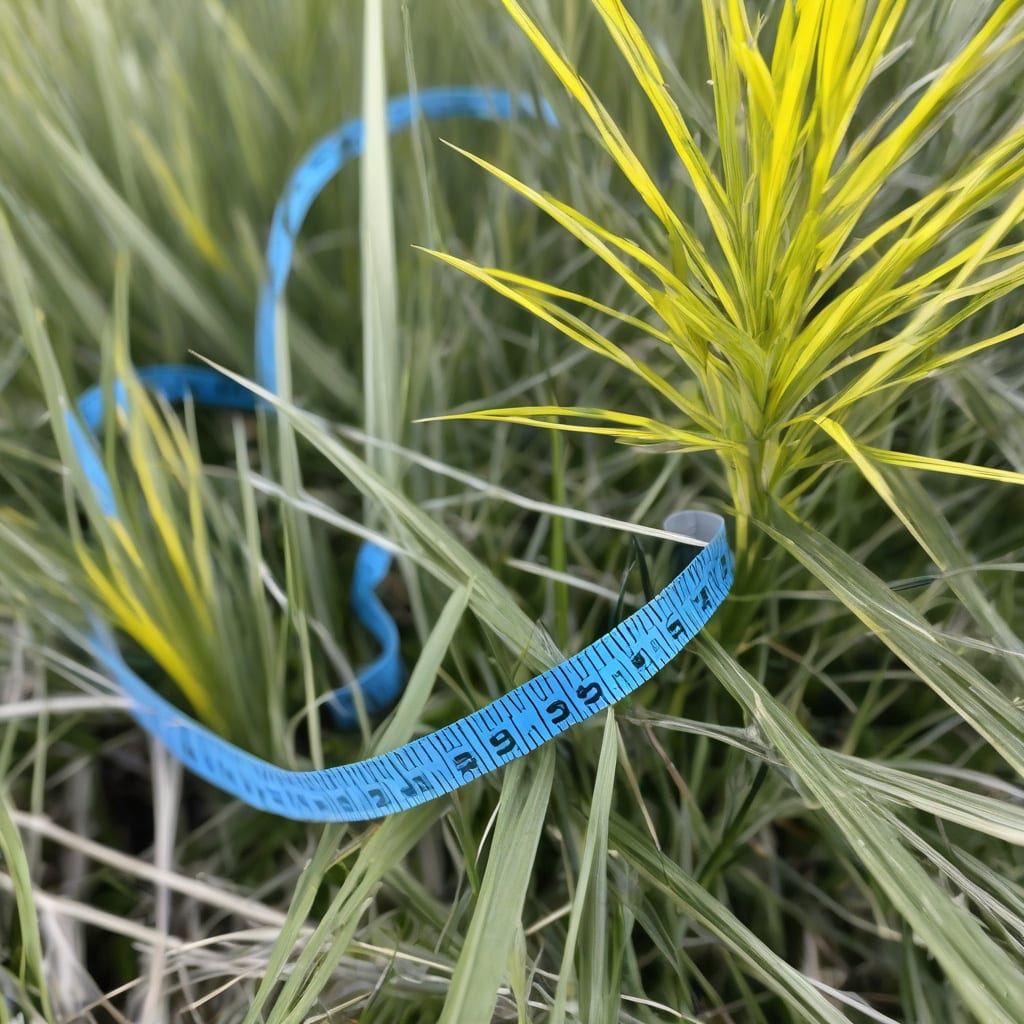
When planning your garden, understanding the growth habits of your chosen plants is crucial. Blue Fescue 🌿, known for its striking blue-gray foliage, is a popular choice among gardeners. Its compact growth makes it ideal for various garden designs.
The height of Blue Fescue typically ranges between 0.5 to 1.5 feet, making it a great option for border edges or rock gardens. Proper care and maintenance can help achieve optimal growth and keep your Blue Fescue looking its best.


Blue fescue is known for its compact growth habit, making it an excellent choice for gardeners looking for low-maintenance ornamental grasses. The typical height range of blue fescue grass is between 0.5 to 1.5 feet, with some varieties reaching up to 2 feet in optimal conditions 🌿.
The height of blue fescue can vary depending on factors such as soil quality, sunlight, and watering conditions. Understanding these factors is crucial for achieving the desired height and maintaining the overall health of the plant.
In ideal growing conditions, blue fescue can be expected to reach its full height potential. Proper care, including regular watering and pruning after flowering, can help maintain a healthy and compact growth habit.
Blue fescue’s height makes it suitable for various garden designs, from border edges to rock gardens. Its low-maintenance requirements and drought tolerance add to its appeal for gardeners of all skill levels.
The plant’s foliage is typically a blue-gray color, adding a unique visual element to garden landscapes. Its compact size allows for easy integration into different garden styles.
Blue fescue is generally hardy in USDA zones 4-8, making it suitable for a wide range of climates. Its tolerance to cold temperatures and ability to thrive in poor soil conditions make it a versatile choice for gardeners.
When planting blue fescue, it’s essential to choose a location with good drainage to prevent root rot. Proper spacing between plants can also help ensure healthy growth and prevent overcrowding.
Regular maintenance, such as removing dead foliage in early spring, can help promote new growth and maintain the plant’s appearance. This simple care routine can keep blue fescue looking its best throughout the growing season.
Blue fescue can be used effectively in container gardens as well as in-ground plantings. Its compact size makes it an excellent choice for small gardens or areas where space is limited.
The plant’s low water requirements make it an ideal choice for water-conscious gardeners. Blue fescue can thrive with minimal watering, making it a great option for dry climates or areas with water restrictions.
In summary, blue fescue’s height range and low-maintenance requirements make it a versatile and attractive option for gardeners. Its compact growth habit and striking foliage add visual interest to various garden designs 🌿.
Several factors influence the growth height of blue fescue plants. Soil quality plays a significant role, as poor soil can limit the plant’s growth potential. Blue fescue thrives in well-draining soil, which helps prevent root rot and promotes healthy growth 🌿.
Sunlight exposure is another critical factor. Blue fescue requires full sun to achieve its optimal height. Inadequate sunlight can result in weaker and less compact growth.
Watering practices also impact blue fescue’s height. While the plant is drought-tolerant, consistent moisture during the growing season can promote healthier growth. However, overwatering can be detrimental.
The climate and temperature are additional factors that can affect blue fescue’s growth. Blue fescue is generally hardy in USDA zones 4-8, making it suitable for a variety of climates.
Pruning and maintenance practices can also influence the plant’s height. Regular pruning after flowering can help maintain a compact growth habit and promote new growth.
In summary, factors such as soil quality, sunlight, watering practices, climate, and maintenance all play a role in determining the height of blue fescue plants. By understanding and managing these factors, gardeners can achieve optimal growth and enjoy the beauty of their blue fescue 🌿.
To maintain blue fescue at an optimal height for garden design, regular pruning and maintenance are essential. Pruning after flowering helps keep the plant compact and promotes new growth 🌱.
Prune blue fescue in early spring to remove dead foliage and maintain shape. This encourages healthy new growth.
Blue fescue’s compact growth habit makes it ideal for various garden designs, including border edges and rock gardens. Its low-maintenance requirements and drought tolerance add to its appeal for gardeners of all skill levels 🌿.
The plant’s foliage is typically a blue-gray color, adding a unique visual element to garden landscapes. Its compact size allows for easy integration into different garden styles.
When planting blue fescue, choose a location with good drainage to prevent root rot. Proper spacing between plants helps ensure healthy growth and prevents overcrowding.
Regular maintenance, such as removing dead foliage in early spring, promotes new growth and maintains the plant’s appearance. This simple care routine keeps blue fescue looking its best throughout the growing season.
