
Beautiful Plants For Your Interior
Beautiful Plants For Your Interior
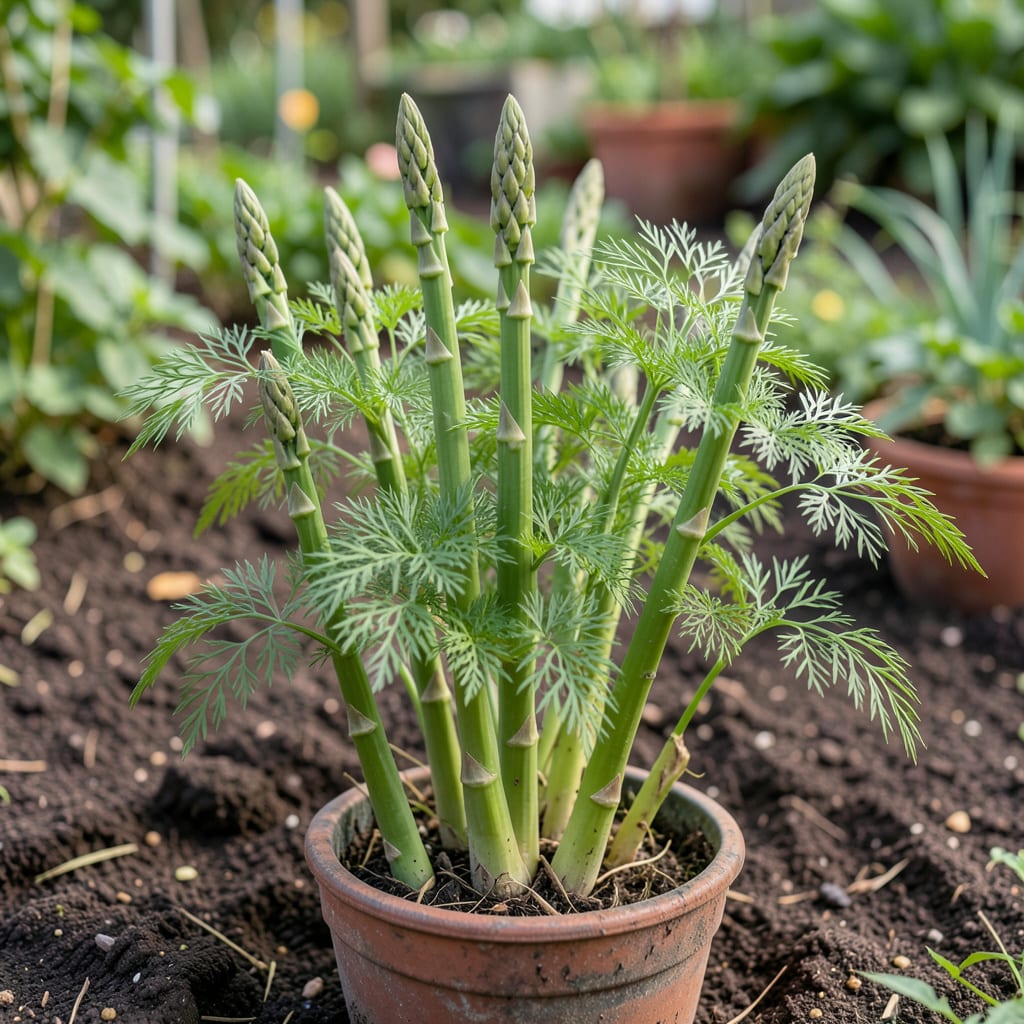
As I gaze at my lush Asparagus Fern 🌿, I’m always amazed by its elegant, feathery foliage. Growing in USDA Zone 6a, I’ve learned that understanding its growth potential is key to providing the right care.
The Asparagus Fern can grow between 2 to 6 feet tall, making it a versatile addition to any garden or indoor space. Let’s explore how to help yours reach its full potential.


Asparagus ferns are known for their graceful, feathery foliage and can add a touch of elegance to any garden or indoor space. Understanding their growth potential is crucial for proper care and placement.
The typical height range of asparagus ferns under ideal conditions is between 2 to 6 feet. However, factors such as light, watering, soil quality, and temperature can influence their ultimate height 🌿.
Asparagus ferns typically grow to be between 2 to 6 feet tall, with some varieties reaching even greater heights under optimal conditions. Their growth rate is considered moderate to fast, especially when provided with the right environment.
In ideal conditions, with bright indirect light and consistent moisture, asparagus ferns can achieve their maximum height potential. It’s essential to understand that factors like light exposure, watering, soil quality, and temperature play a significant role in determining the ultimate height of these plants.
One of the critical factors affecting the height of asparagus ferns is light exposure. These plants thrive in bright, indirect light but can tolerate some direct sun. However, too much direct sunlight can cause the leaves to become scorched, potentially stunting the plant’s growth.
Watering is another crucial factor. Asparagus ferns prefer consistently moist soil but can tolerate short dry spells. Overwatering can lead to root rot, while underwatering can cause the plant to become stressed, affecting its growth.
Soil quality is also vital. Asparagus ferns prefer well-draining soil rich in organic matter. Poor soil quality can limit the plant’s growth potential and overall health.
Temperature is another important consideration. Asparagus ferns prefer temperatures between 65°F to 75°F (18°C to 24°C). Extreme temperatures can stress the plant and impact its growth.
By understanding these factors and providing the right conditions, you can help your asparagus fern reach its full height potential and enjoy its lush, feathery foliage.
Asparagus ferns are versatile plants that can be grown both indoors and outdoors, making them a popular choice for many gardeners. Their ability to thrive in various environments adds to their appeal.
In summary, asparagus ferns can grow between 2 to 6 feet tall, with their height influenced by factors such as light, watering, soil quality, and temperature. By providing the right conditions and care, you can help your asparagus fern achieve its maximum height potential 🌿.
With proper care and attention, asparagus ferns can be a beautiful and elegant addition to any space, providing a lush, tropical feel.
Understanding the factors that influence the height of asparagus ferns is crucial for providing optimal care. Several key elements can impact their growth, including light exposure, watering, soil quality, and temperature 🌿.
The amount and type of light asparagus ferns receive significantly affects their height. These plants thrive in bright, indirect light but can tolerate some direct sun. Too much direct sunlight can cause leaf scorch, potentially stunting growth.
Asparagus ferns need balanced light conditions to reach their full height potential. Bright indirect light promotes healthy growth while excessive direct sun can be harmful.
Watering is another critical factor in asparagus fern height growth. These plants prefer consistently moist soil but can tolerate short dry spells. Overwatering can lead to root rot, while underwatering can cause stress and impact growth.
Soil quality plays a vital role in determining the height of asparagus ferns. They prefer well-draining soil rich in organic matter. Poor soil quality can limit growth potential and overall health.
Temperature is also an important consideration. Asparagus ferns thrive in temperatures between 65°F to 75°F (18°C to 24°C). Extreme temperatures can stress the plant and affect its growth.
By understanding and managing these factors, you can create optimal conditions for your asparagus fern to reach its maximum height potential.
Proper care and attention to these factors can help your asparagus fern become a beautiful and elegant addition to any space, providing a lush, tropical feel 🌿.
Asparagus ferns are versatile plants that can be grown both indoors and outdoors, making them a popular choice for many gardeners.
With the right conditions and care, asparagus ferns can achieve their full height potential and enjoy their lush, feathery foliage.
I find that maintaining the desired height of asparagus ferns requires regular pruning and training. By pruning your asparagus fern regularly, you can control its height and encourage bushy growth 🌱.
To prune your asparagus fern effectively, start by removing any dead or damaged fronds. This will help maintain the plant’s overall health and appearance.
Carefully cut off any dead or yellowing fronds at the base to maintain the plant’s appearance and health.
Cut back overgrown stems to the desired height to maintain the plant’s shape and encourage new growth.
Gently guide the stems towards a trellis or other support to encourage vertical growth and maintain the desired height.
By following these steps, you can effectively manage the height of your asparagus fern and keep it looking its best. Regular pruning and training will help maintain the plant’s health and appearance 🌿.
In addition to pruning and training, it’s essential to provide your asparagus fern with the right growing conditions. This includes providing bright, indirect light and maintaining consistently moist soil.
With proper care and attention, your asparagus fern can thrive and become a beautiful addition to your garden or indoor space.
By understanding how to manage the height of your asparagus fern, you can enjoy its elegant, feathery foliage for years to come.
Asparagus ferns have a moderate to fast growth rate, especially when provided with ideal conditions like bright indirect light and consistent moisture. They can grow several inches in a short period. Proper care can help them reach their full height potential.
Yes, asparagus ferns can be pruned to maintain a desired height. Regular pruning encourages bushy growth and helps keep the plant looking its best. Remove dead or damaged fronds and trim overgrown stems to control height.
Asparagus ferns prefer consistently moist soil but can tolerate short dry spells. Water them weekly, or when the top inch of soil feels dry. Adjust frequency based on seasonal changes and ensure proper drainage.
Asparagus ferns thrive in temperatures between 65°F to 75°F (18°C to 24°C). Avoid exposing them to extreme temperatures, as this can stress the plant and affect its growth. Keep them away from drafts and heating vents.
