
Beautiful Plants For Your Interior
Beautiful Plants For Your Interior
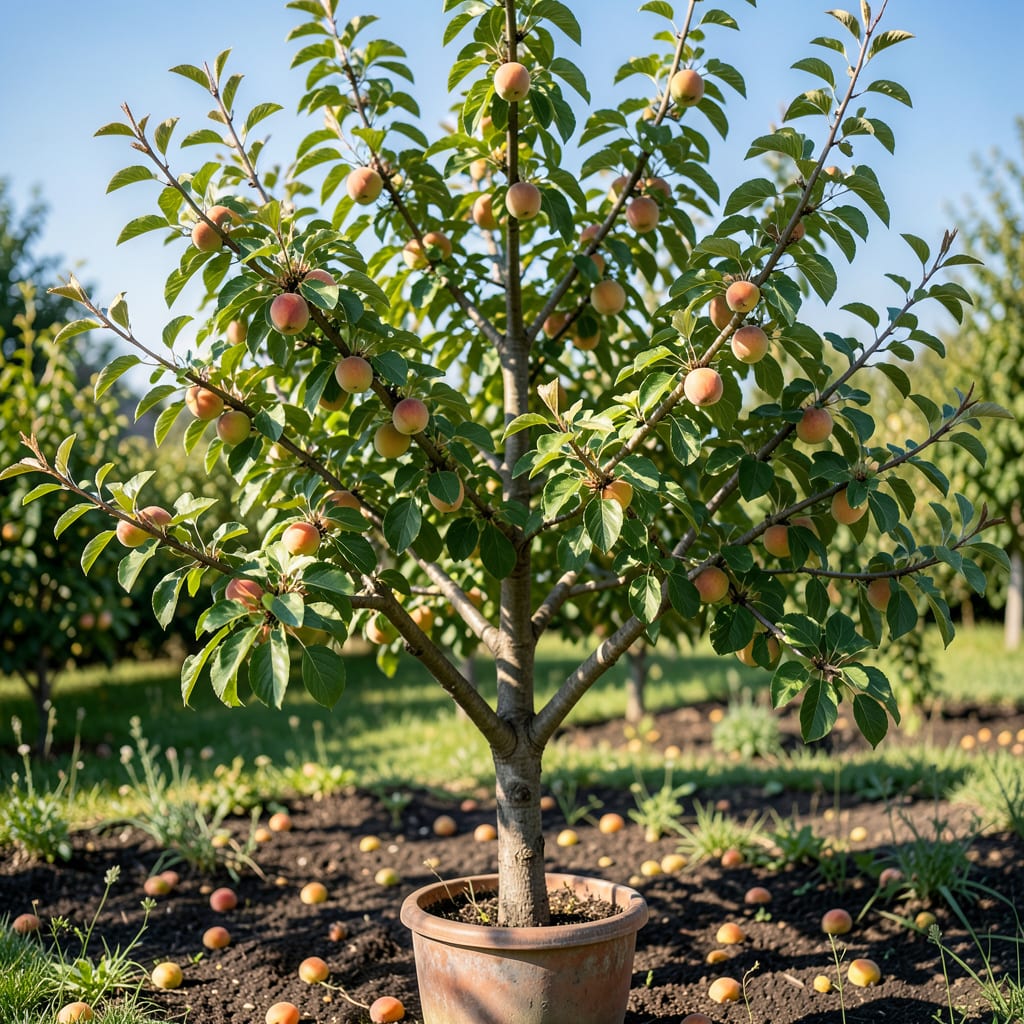
I’ve always been fascinated by how tall apricot trees 🍑 can grow. Understanding their growth potential is crucial for proper planning and care in your garden.
Apricot trees can reach varying heights depending on factors like rootstock and pruning practices. Let’s explore the average and maximum heights of these beautiful trees and how to manage their size effectively in USDA Zone 6.


I’ve found that several key factors influence how tall an apricot tree will grow. The rootstock is one of the most significant factors, as it determines the tree’s overall vigor and size potential. Some rootstocks are bred to be dwarfing, while others allow for more vigorous growth.
Soil quality also plays a crucial role in apricot tree height. Trees grown in well-draining soil with a balanced pH tend to grow more robustly than those in poor soil conditions. Additionally, nutrient availability can impact growth, with trees receiving adequate nutrients growing more vigorously.
Pruning practices are another critical factor in managing apricot tree height. Regular pruning can help control the tree’s size, promote healthy growth, and encourage fruiting. By pruning annually, you can maintain a desired height and shape for your apricot tree 🌳.
The climate and weather conditions also impact apricot tree growth. Trees grown in areas with adequate chill hours and sufficient warmth during the growing season tend to grow more robustly. Conversely, extreme weather events like drought or frost can stress the tree and impact its growth.
Understanding these factors is essential for gardeners looking to cultivate healthy, productive apricot trees. By considering the interplay of rootstock, soil quality, pruning practices, and climate, you can better manage your tree’s height and overall health 🌿.
Let’s examine how these factors interact to influence apricot tree height. The combination of a vigorous rootstock, optimal soil conditions, and regular pruning can result in a healthy, well-structured tree. Conversely, poor soil and inadequate pruning can lead to a stressed, unproductive tree.
By carefully managing these factors, gardeners can optimize their apricot tree’s growth and productivity. This includes selecting the right rootstock for their climate and soil type, maintaining good soil health, and implementing a regular pruning schedule.
Effective management of apricot tree height requires a comprehensive approach. This includes monitoring the tree’s growth, adjusting pruning practices as needed, and ensuring optimal growing conditions.
By taking a holistic approach to apricot tree care, gardeners can enjoy a bountiful harvest of delicious fruit while maintaining a healthy, manageable tree.
Regular monitoring and adjustment of care practices are key to successful apricot tree cultivation. This includes keeping an eye on the tree’s response to pruning, fertilization, and weather conditions, and making adjustments as necessary.
With careful planning and attention to detail, gardeners can grow thriving apricot trees that provide beauty and bounty to their gardens for years to come.
I’ve found that apricot trees can grow to varying heights depending on their variety and growing conditions. The average height of a mature apricot tree typically ranges from 15 to 30 feet. However, some varieties can grow taller or remain more compact.
Understanding the typical height ranges for different apricot tree varieties is essential for proper garden planning. Let’s examine the height characteristics of various apricot tree types.
The dwarf varieties are ideal for smaller gardens or container growing, as they remain relatively compact. Semi-dwarf trees offer a balance between size control and fruit production, making them a popular choice for home gardeners 🌳.
Standard apricot trees can grow quite tall, making them suitable for larger gardens or orchards. Their height can be managed with regular pruning to maintain a desired size and promote healthy growth.
When selecting an apricot tree variety, it’s essential to consider the mature height to ensure it fits within your available space. Proper planning helps prevent overcrowding and makes tree maintenance more manageable 🌿.
By understanding the height characteristics of different apricot tree varieties, gardeners can make informed decisions about which type to plant in their garden. This knowledge helps in planning the orchard layout and ensuring optimal growing conditions for the trees.
Regular pruning and training can also help control the height of apricot trees, regardless of their variety. This allows gardeners to maintain a desired height while promoting healthy growth and fruit production.
I always recommend proper pruning and training techniques to control apricot tree height and promote healthy growth. Regular pruning helps maintain a desired height while encouraging fruit production 🌳.
Let’s explore some practical tips for managing apricot tree size effectively in your garden.
Prune your apricot tree every year during its dormant season to maintain shape and promote healthy growth.
Cut out any dead, diseased, or damaged branches to prevent disease spread and encourage healthy growth.
Thin out the center of the tree to allow sunlight penetration and air circulation, promoting healthy fruit development.
Training young trees is crucial for establishing a strong structure. I recommend starting with a central leader system and gradually shaping the tree as it grows 🌿.
For mature trees, focus on maintenance pruning to maintain the desired height and shape. Regular pruning also helps in promoting fruiting and overall tree health.
By implementing these pruning and training techniques, you can effectively manage your apricot tree’s size and enjoy a bountiful harvest of delicious fruit.
With consistent care and attention, your apricot tree will thrive and provide beauty and bounty to your garden for years to come 🌸.
Apricot trees typically grow between 15 to 30 feet tall, depending on the variety and growing conditions. Dwarf varieties usually reach 8-12 feet, while standard trees can grow up to 20-30 feet. Regular pruning helps maintain a desired height .
The rootstock determines the tree’s overall vigor and size potential. Dwarfing rootstocks keep trees smaller, while vigorous rootstocks allow for taller growth. Choosing the right rootstock is crucial for managing tree height effectively .
Yes, you can control the height through regular pruning and training. Prune annually during the dormant season to maintain shape and promote healthy growth. Techniques like thinning out the center also help manage size while encouraging fruit production .
Prune your apricot tree every year during its dormant season, typically in late winter or early spring. Regular pruning maintains the desired height, promotes healthy growth, and encourages fruiting .
