
Beautiful Plants For Your Interior
Beautiful Plants For Your Interior
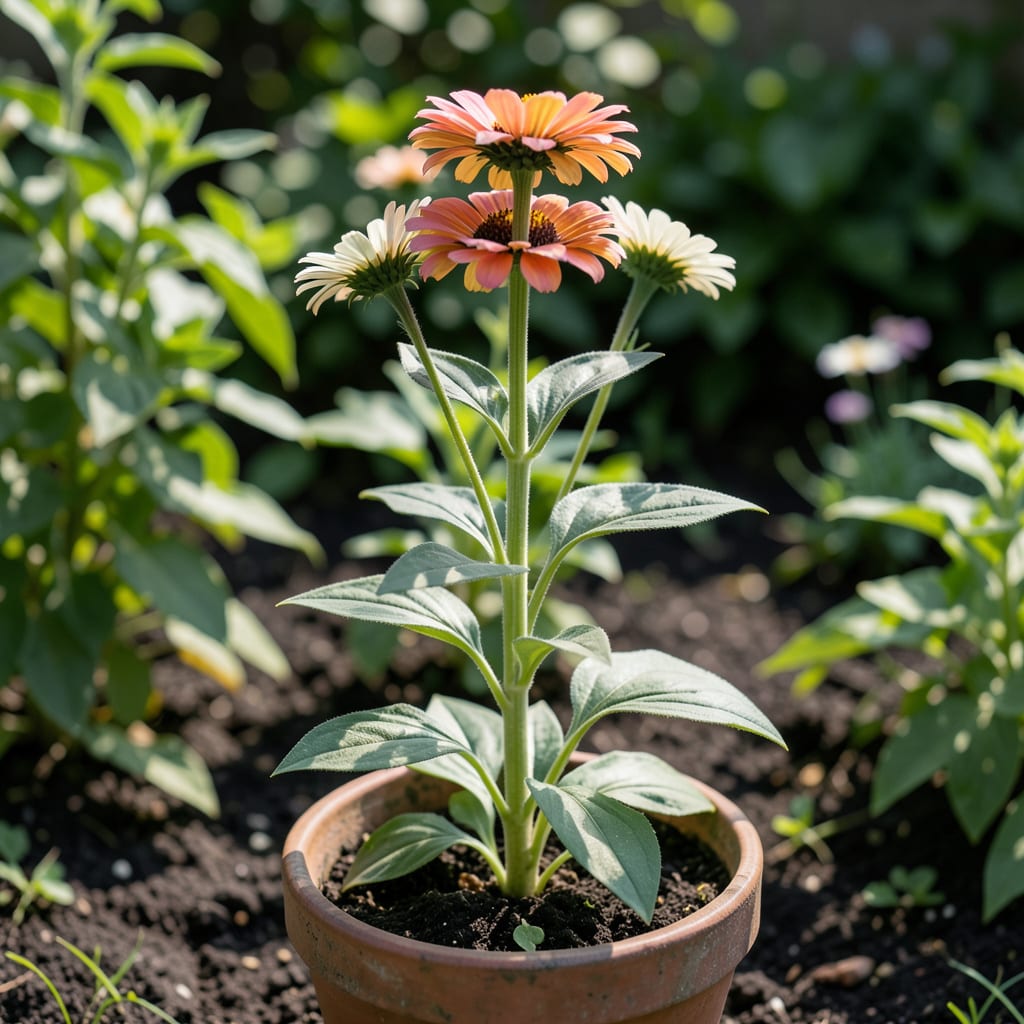
Zinnias 🌼 are a gardener’s delight, offering vibrant colors and easy growth. Their height can vary greatly depending on the variety, ranging from 1-4 feet tall.
Understanding how tall your zinnias will grow is key to planning your garden layout. In USDA Zone 6, you can expect these spring beauties to thrive when planted in April or May.


Zinnias are known for their vibrant colors and varying heights, making them a versatile choice for gardeners. The height of zinnias can range from 1-4 feet, depending on the variety.
Factors such as soil quality, sunlight exposure, and proper spacing play a crucial role in determining the maximum height of zinnias. Understanding these factors is essential for garden planning.
The height of zinnias can be influenced by several factors, including the variety, growing conditions, and care practices. By understanding these factors, gardeners can better predict and manage the height of their zinnias.
Zinnias are typically planted in the spring season, after the last frost, when the soil has warmed to at least 60°F. This timing helps ensure optimal growth and development.
In USDA Zone 6, the ideal months for planting zinnias are April and May. During this period, the weather conditions are generally favorable for zinnia growth.
To maximize the height of zinnias, gardeners should focus on providing optimal growing conditions, including well-draining soil and adequate sunlight. Regular watering and fertilization also contribute to healthy growth.
Zinnias are known for their relatively fast growth rate, with some varieties reaching maturity in as little as 60 days. This rapid growth makes them an excellent choice for gardeners looking to add color and texture to their gardens quickly.
By selecting the right variety and providing appropriate care, gardeners can enjoy zinnias that reach their full height potential, adding beauty and vibrancy to their gardens 🌼.
The height of zinnias is just one aspect of their overall growth and development. Gardeners should also consider factors like bloom size and stem strength when selecting varieties and planning their garden.
Overall, zinnias are a rewarding and versatile flower that can add significant value to any garden. Their ability to grow to varying heights makes them suitable for a range of garden designs and layouts.
To maximize zinnia height, gardeners should focus on providing optimal growing conditions. This includes well-draining soil and adequate sunlight, as zinnias require full sun (6+ hours direct sunlight) for optimal growth 🌞.
Proper spacing is also crucial, as overcrowding can limit zinnia height. Ensure that plants are spaced appropriately to promote vertical growth and prevent competition for resources.
Select zinnia varieties known for their height potential, such as standard or tall varieties that can reach 3-4 feet in height.
Tall zinnias may require staking or support to prevent them from toppling over in the wind. Use soft ties or stakes to keep them upright.
Ensure the soil is well-draining and rich in organic matter. Regularly fertilize with a balanced fertilizer to promote healthy growth.
By following these expert tips, gardeners can encourage their zinnias to reach their full height potential, adding a dramatic pop of color and texture to their gardens 🌼.
Regular maintenance, such as deadheading spent blooms, can also promote continued growth and flowering throughout the season.
Zinnias are not only beautiful but also attract pollinators like bees and butterflies, making them a valuable addition to any garden.
With proper care and attention, zinnias can thrive and become a stunning feature in your garden, providing vibrant colors and height variation that enhances the overall landscape.
Growing tall zinnias requires more than just planting the seeds and waiting for them to grow. Several common mistakes can limit their height potential, and understanding these can help gardeners achieve better results 🌼.
One of the most significant factors affecting zinnia height is overcrowding. When zinnias are planted too close together, they compete for resources like light, water, and nutrients, which can stunt their growth.
To avoid overcrowding, ensure that zinnias are spaced at least 6-12 inches apart, depending on the variety. This allows for proper air circulation and reduces competition for resources.
Poor soil preparation is another common mistake that can limit zinnia height. Zinnias thrive in well-draining soil rich in organic matter. Failing to prepare the soil adequately can result in poor growth and reduced height.
Inadequate support can also be a limiting factor, especially for taller zinnia varieties. Without proper staking or support, tall zinnias can topple over, damaging the stems and reducing their overall height.
To maximize zinnia height, gardeners should also be mindful of watering practices. Both under-watering and over-watering can stress the plants, affecting their growth. Consistent moisture, especially during the germination and seedling stages, is crucial 🌿.
By avoiding these common mistakes, gardeners can create an optimal environment for their zinnias to grow tall and healthy, enjoying a vibrant display of flowers throughout the growing season 🌼.
Zinnias can grow anywhere from 1-4 feet tall, depending on the variety. Dwarf varieties usually reach 1-2 feet, while standard varieties can grow up to 3-4 feet tall. Proper care and growing conditions can help them reach their maximum height potential .
Several factors influence zinnia height, including soil quality, sunlight exposure, and proper spacing. Well-draining soil with adequate nutrients and full sun (6+ hours direct sunlight) promote healthy growth. Proper spacing prevents overcrowding, allowing zinnias to grow taller .
To maximize zinnia height, provide optimal growing conditions, including well-draining soil and full sun. Regular watering and fertilization also support healthy growth. Additionally, ensure proper spacing between plants and consider providing support for tall varieties to prevent them from toppling over .
Common mistakes that can limit zinnia height include overcrowding, poor soil preparation, and inadequate support. To avoid these issues, space zinnias at least 6-12 inches apart, prepare the soil with organic matter, and provide staking or support for tall varieties .
