How Tall Does a Rubber Plant Grow: Expert Care Tips for Maximum Height

How Tall Does a Rubber Plant Grow: Expert Care Tips for Maximum Height detailed visual guide

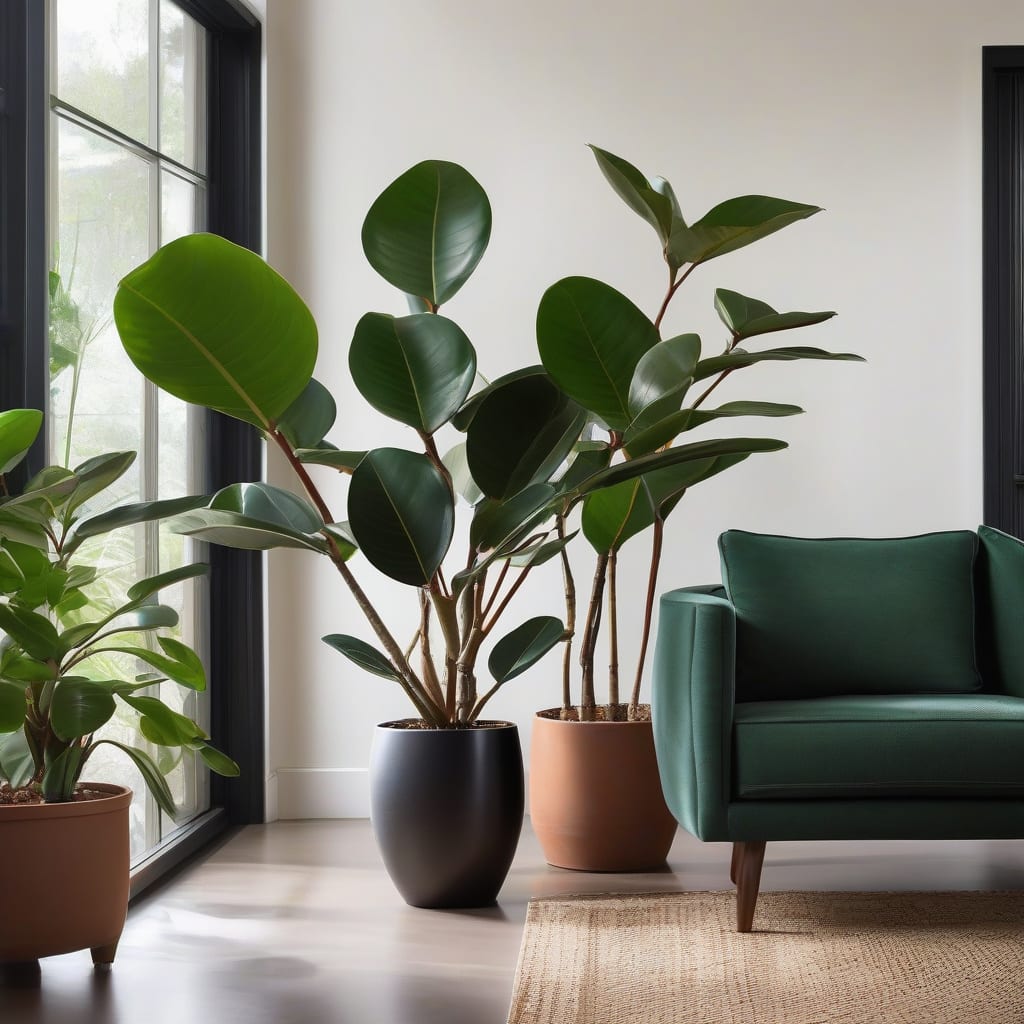
I’ve always been fascinated by how tall a Rubber Plant 🌱 can grow. These stunning houseplants can become real showstoppers in any home, reaching heights of 6 to 8 feet when properly cared for.

Understanding their growth potential is key to giving them the right care. Let’s explore what makes Rubber Plants thrive and how you can encourage them to reach their full height in your home.

🌱 Rubber Plant Planting Timeline
🌸
☀️
🍂
🍂 🍁 🍂 🍁
zz
❄️
Spring Summer Fall Winter
🌱 Plant: Oct – Nov
🌱 Harvest: Jul – Aug

Factors Affecting Rubber Plant Height Growth

Rubber plants can grow to varying heights depending on several key factors. Understanding these elements is crucial for maximizing their growth potential and keeping them healthy. Let’s explore the main factors that influence how tall a rubber plant can grow.

The environmental conditions around your rubber plant play a significant role in its height. Factors like light exposure, temperature, and humidity all contribute to the plant’s overall growth. For instance, rubber plants thrive in bright, indirect light but can tolerate low light conditions, although this may slow their growth.

The factors affecting how tall a rubber plant can grow are complex and include several key elements. Light exposure, temperature, watering practices, and genetics all play important roles. By understanding these factors,azza, we can better care for our plants and promote healthy growth.

First, light is crucial for rubber plant growth. While they can tolerate low light, bright, indirect light encourages the most vigorous growth. A spot near an east- or west-facing window is ideal, providing the right balance of light without direct sun exposure that can scorch the leaves 🌱.

Temperature is another critical factor. Rubber plants thrive in temperate conditions between 65-75°F (18-24°C). Avoid placing them near drafts, radiators, or air conditioning vents, as sudden temperature changes can stress the plant.

Watering is also vital. These plants prefer consistent moisture but don’t like to be waterlogged. Water thoroughly when the top inch of soil feels dry, usually every 7-10 days depending on the environment. Overwatering can lead to root rot, while underwatering causes leaf drop.

Fertilization during the growing season (spring and summer) provides essential nutrients for growth. Use a balanced, water-soluble fertilizer at half the recommended strength to avoid burning the roots.

The pot size and soil quality also impact growth. Use a well-draining potting mix and repot every 2-3 years or when the plant becomes root-bound. A pot that is too large can cause the soil to remain too wet, potentially leading to root rot.

Finally, pruning plays a role in shaping the plant and encouraging height. Regularly remove any dead or damaged leaves and consider pruning the plant to maintain a desired shape or height.

By understanding and managing these factors, you can create an optimal environment for your rubber plant to thrive and reach its full height potential.

Rubber plants are known for their ability to grow quite tall when given the right conditions. With proper care, they can become impressive statement pieces in any home or office. 🌱

GROWTH FACTOR DESCRIPTION
Light Exposure 4-6 hours of bright, indirect light promotes healthy growth
Temperature Range 65-75°F (18-24°C) ideal for steady growth
Watering Frequency Water every 7-10 days, allowing soil to dry slightly

Maximizing Rubber Plant Height: Expert Care Tips

To help your rubber plant reach its full height potential, I’ve found that proper care is essential. Rubber plants can grow quite tall when given the right conditions, and with some expert tips, you can encourage them to thrive.

The first step is to provide your rubber plant with the right lighting. Bright, indirect light is ideal for promoting healthy growth. Placing your plant near an east- or west-facing window can provide the perfect balance of light without direct sun exposure that can scorch the leaves 🌞.

💡 Pro Tip

Rotate your rubber plant regularly to ensure even growth and prevent leaning. This simple practice can make a big difference in maintaining a straight, upright shape.

In addition to proper lighting, watering is crucial for rubber plant growth. Water your plant thoroughly when the top inch of soil feels dry, usually every 7-10 days. Be careful not to overwater, as this can lead to root rot and stunt the plant’s growth.

Fertilization is another key factor in promoting healthy growth. During the growing season (spring and summer), use a balanced, water-soluble fertilizer at half the recommended strength to provide essential nutrients without burning the roots.

Pruning also plays a significant role in shaping your rubber plant and encouraging height. Regularly remove any dead or damaged leaves, and consider pruning the plant to maintain a desired shape or height. This will help your plant grow stronger and taller.

By following these expert care tips, you can create an optimal environment for your rubber plant to thrive and reach its full height potential. With proper care and attention, your rubber plant can become a stunning statement piece in any home or office 🌿.

Remember, patience is key when growing a rubber plant. With consistent care and the right conditions, your plant will reward you with beautiful, healthy growth.

Common Mistakes That Limit Rubber Plant Growth Height

I’ve seen many rubber plant owners make simple mistakes that can significantly limit their plant’s growth potential. Understanding these common pitfalls is crucial for helping your rubber plant reach its maximum height.

⚠️ Common Mistake: Overwatering

One of the most common mistakes is overwatering, which can lead to root rot and severely stunt your plant’s growth. Check soil moisture by inserting your finger into the soil up to the first knuckle – if it feels dry, it’s time to water.

Another critical mistake is insufficient light. Rubber plants need bright, indirect light to grow well. If your plant isn’t getting enough light, consider moving it to a brighter location or supplementing with grow lights 🌞.

Incorrect temperature can also affect growth. Keep your rubber plant away from drafts, air conditioning vents, and radiators to maintain a stable temperature between 65-75°F (18-24°C).

Neglecting fertilization during the growing season can limit your plant’s potential height. Use a balanced fertilizer at half strength during spring and summer to provide essential nutrients for healthy growth 🌱.

By avoiding these common mistakes, you can create a more favorable environment for your rubber plant to grow tall and healthy. Regular monitoring and adjustments to your care routine will help your plant thrive.

Remember, every rubber plant is different, so be patient and observe your plant’s specific needs to maximize its growth potential.

★★★★★5.0(14 reviews)