
Beautiful Plants For Your Interior
Beautiful Plants For Your Interior
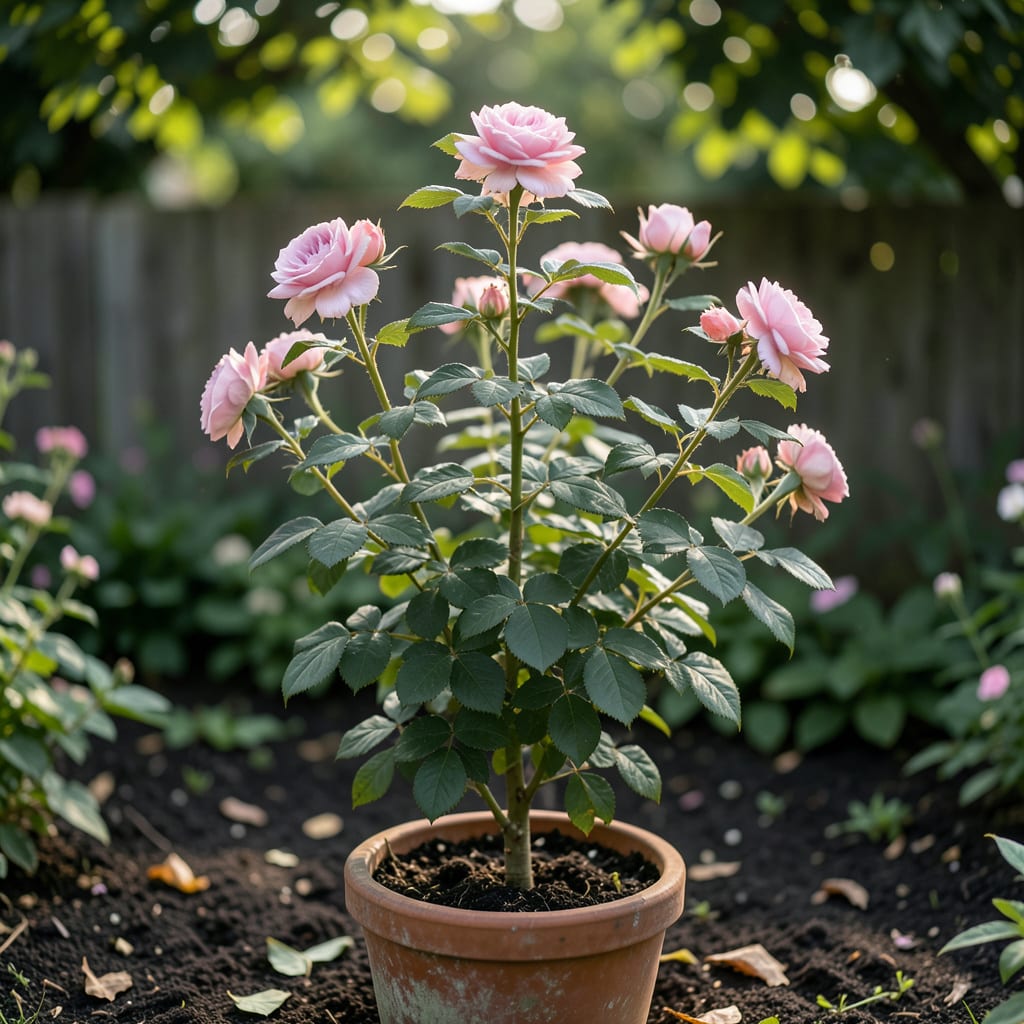
When I think about adding stunning late-summer color to my garden, the Rose of Sharon 🌹 immediately comes to mind. This beautiful shrub can grow quite tall, but understanding its growth potential is crucial for proper placement and care in your garden.
In USDA Zone 6, you can expect your Rose of Sharon to reach heights between 4-6 feet at maturity. Let’s explore the factors that influence its growth and how to care for it properly.


When I consider adding a Rose of Sharon to my garden, understanding its growth patterns and maximum height is crucial for proper placement and care. This beautiful shrub can grow quite tall, and knowing what to expect helps me plan my garden layout effectively 🌹.
The Rose of Sharon typically grows between 4-6 feet tall in USDA Zone 6, but its height can vary based on several factors. Let’s explore these factors and how they impact the shrub’s growth.
The Rose of Sharon’s height is influenced by various factors, including the specific cultivar chosen, the growing conditions it is subjected to, and the pruning practices employed. Understanding these factors helps me make informed decisions about caring for my shrub.
Different cultivars of Rose of Sharon can have varying mature heights. Some dwarf varieties may only reach 2-3 feet tall, while standard varieties can grow up to 6 feet or more. Growing conditions such as sunlight, soil quality, and watering also play a significant role in determining the shrub’s ultimate height.
Pruning practices are another critical factor in managing the height of Rose of Sharon. Regular pruning can help control the shrub’s size and promote healthier growth. By understanding these factors, I can better care for my Rose of Sharon and ensure it reaches its full potential.
To achieve the best results, I need to consider the specific needs of my Rose of Sharon, including its sunlight requirements, soil preferences, and watering needs. By providing the right conditions and proper care, I can help my shrub thrive and reach its expected mature height 🌼.
In my experience, Rose of Sharon is a relatively low-maintenance shrub that can add significant beauty to my garden. By understanding its growth patterns and maximum height, I can make the most of this stunning plant and enjoy its late-summer blooms.
Overall, the Rose of Sharon is a versatile and attractive shrub that can enhance any garden. With proper care and attention to its growth patterns, I can enjoy its beauty for years to come.
By
In conclusion, understanding the growth patterns and maximum height of Rose of Sharon is essential for proper care and placement in my garden. By considering factors such as cultivar selection, growing conditions, and pruning practices, I can help my shrub thrive and enjoy its beauty for years to come.
When growing Rose of Sharon, several factors can influence its height. Understanding these factors helps me provide the best care for my shrub 🌹.
The height of a Rose of Sharon shrub can be affected by various elements, including sunlight requirements, soil conditions, watering needs, and fertilization. Let’s explore these factors in more detail.
By understanding and managing these factors, I can help my Rose of Sharon reach its full potential and enjoy its beautiful late-summer blooms 🌼.
Sunlight requirements play a significant role in determining the height of my Rose of Sharon. Providing the right amount of sunlight ensures the shrub grows healthily and reaches its expected height.
Soil conditions are another crucial factor. Ensuring the soil is well-draining and has the right pH balance helps my Rose of Sharon thrive.
Watering needs must be met consistently, especially during the first year after planting. This helps establish a strong root system and supports overall growth.
Fertilization is also important. Using a balanced fertilizer during the growing season provides my Rose of Sharon with the necessary nutrients for optimal growth and blooming.
In conclusion, understanding the factors that influence the height of Rose of Sharon helps me provide the best care for my shrub. By managing sunlight, soil, watering, and fertilization, I can ensure my Rose of Sharon reaches its full potential and adds beauty to my garden 🌹.
When it comes to managing the height of my Rose of Sharon, pruning is an essential technique. Proper pruning helps control the shrub’s size, promotes healthy growth, and encourages blooming 🌹.
Pruning my Rose of Sharon at the right time and in the right way is crucial for maintaining its desired height. Let’s explore the best practices for pruning this beautiful shrub.
Pruning before new growth begins helps minimize stress on the plant and promotes healthy development.
Removing unhealthy branches improves the overall health of the shrub and prevents disease spread.
Thinning out the center improves air circulation and allows more sunlight to reach inner branches.
Cutting back tall branches helps control the height and encourages branching, leading to more blooms.
By following these pruning techniques, I can effectively manage the height of my Rose of Sharon and enjoy its beautiful blooms for years to come 🌼.
Regular pruning not only controls the height but also promotes a healthier and more vibrant shrub. It’s a simple yet effective way to care for my Rose of Sharon.
I find that pruning my Rose of Sharon annually helps maintain its shape and encourages new growth. This practice is essential for keeping my shrub healthy and thriving.
In conclusion, pruning is a vital part of caring for my Rose of Sharon. By pruning at the right time and using the correct techniques, I can manage its height and enjoy its stunning late-summer blooms 🌹.
Rose of Sharon typically grows between 4-6 feet tall, but some varieties can reach up to 6 feet or more. The height depends on factors like cultivar selection and growing conditions. Proper care can help it reach its full potential .
Rose of Sharon is considered a moderately fast-growing shrub, typically growing 1-2 feet per year. Its growth rate can be influenced by factors such as sunlight, soil quality, and watering conditions. With proper care, it can establish itself quickly .
Yes, pruning is an effective way to control the height of Rose of Sharon. Prune in late winter or early spring to maintain the desired height and promote healthy growth. Regular pruning also encourages more blooms and improves air circulation .
Several factors influence the height of Rose of Sharon, including cultivar selection, sunlight requirements, soil conditions, and pruning practices. Providing optimal growing conditions and regular maintenance can help the shrub reach its expected height .
