
Beautiful Plants For Your Interior
Beautiful Plants For Your Interior
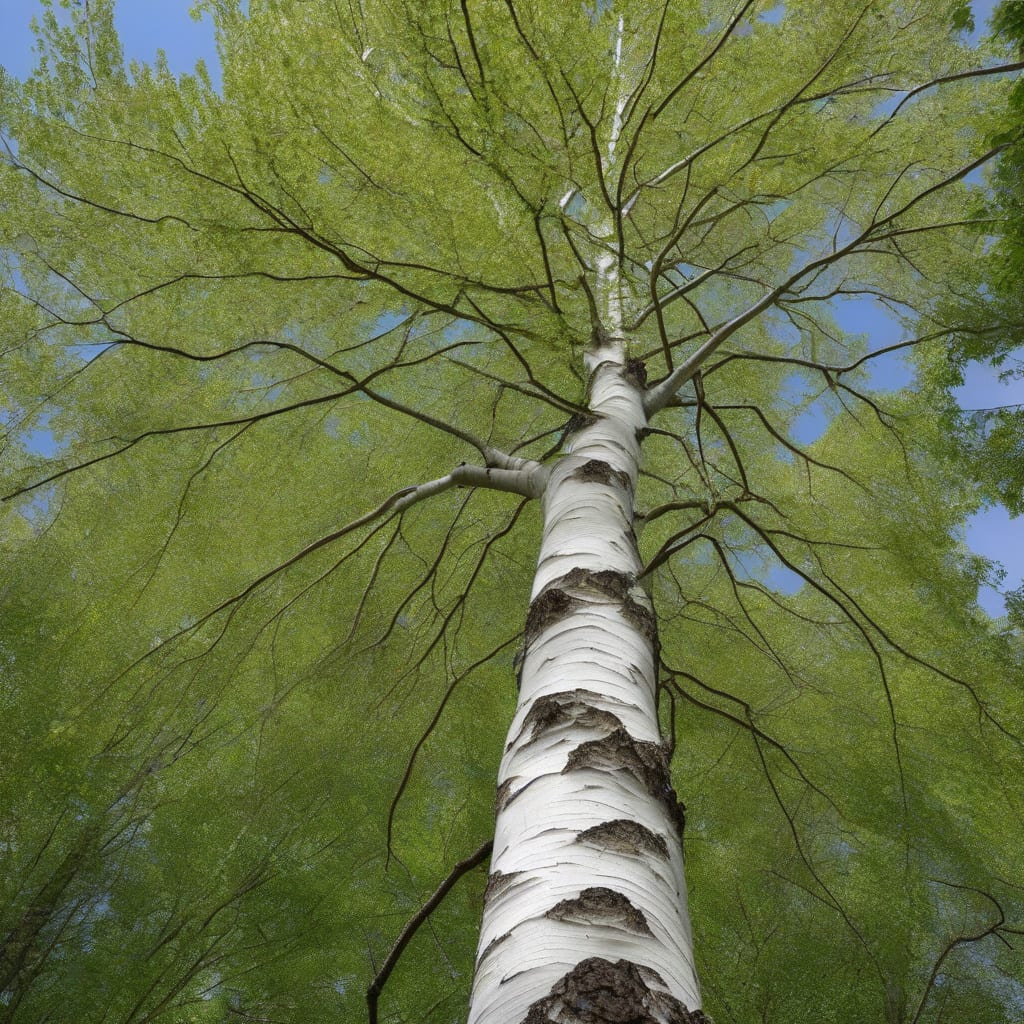
I’ve always been fascinated by the majestic River Birch Tree 🌳, known for its stunning white bark and graceful canopy. Understanding its growth potential is crucial for proper landscape planning, especially when considering its mature height.
The River Birch Tree can grow to be 50-80 feet tall, making it a significant presence in any landscape. Factors such as soil conditions, sunlight, and watering needs can all impact its growth rate and final height.


River birch trees are known for their stunning white bark and graceful canopy, but understanding their growth potential is crucial for proper landscape planning. The height of a river birch tree can vary significantly based on several factors.
The typical height range for a mature river birch tree is between 50-80 feet, with some specimens growing even taller in ideal conditions. Factors such as soil quality, sunlight exposure, and watering practices can all impact the tree’s growth rate and final height 🌳.
The growth rate of a river birch tree is generally considered moderate, with an average annual growth of 1-2 feet per year. This rate can be influenced by factors such as soil quality, sunlight exposure, and watering practices.
Soil quality plays a significant role in determining the height of a river birch tree. Trees growing in well-draining, nutrient-rich soil tend to grow faster and reach greater heights than those in poor soil conditions.
Sunlight exposure is another critical factor. The tree requires full sun to partial shade to grow optimally, with at least 6 hours of direct sunlight per day.
Watering practices also impact the tree’s growth. Consistent moisture, especially during the first year after planting, is crucial for establishing a strong root system.
While river birch trees can grow quite tall, their height can be managed through proper pruning techniques. Regular pruning can help maintain a desired height and promote a healthy, balanced structure.
It’s worth noting that river birch trees are generally considered low-maintenance and can thrive in a variety of conditions. However, they do require some care to reach their full potential.
By understanding the factors that influence the height of a river birch tree, you can better plan your landscape and ensure that your tree has the best chance to thrive.
In summary, river birch trees can grow to be 50-80 feet tall, with a moderate growth rate and a range of factors influencing their final height. With proper care and maintenance, these trees can become a stunning addition to any landscape 🌳.
I’ve found that several key factors influence the height growth of river birch trees. Understanding these elements is crucial for promoting healthy development and achieving the desired height 🌳.
The growth of a river birch tree is significantly affected by soil conditions. Trees planted in well-draining, nutrient-rich soil tend to grow faster and reach greater heights than those in poor soil conditions.
Sunlight exposure is another critical factor influencing river birch tree height. These trees require full sun to partial shade to grow optimally, with a minimum of 6 hours of direct sunlight per day.
Watering practices also play a significant role in determining the tree’s height. Consistent moisture, particularly during the first year after planting, is essential for establishing a strong root system.
Regular pruning techniques can help manage the tree’s height and promote a healthy, balanced structure. Pruning should be done during the dormant season to minimize stress on the tree.
By understanding and addressing these factors, you can create an optimal environment for your river birch tree to grow and thrive 🌳.
In my experience, maintaining a balance between these factors is key to promoting healthy growth and achieving the desired height for your river birch tree.
With proper care and attention to these critical factors, river birch trees can reach their full potential and become a stunning addition to any landscape.
I’ve found that proper pruning is essential for maintaining the desired height of river birch trees while promoting overall health 🌳.
Pruning should be done during the dormant season, typically in late winter or early spring, to minimize stress on the tree and reduce the risk of disease or pest infestation.
When pruning, focus on removing dead, diseased, or damaged branches first. Then, thin out the canopy to allow for better air circulation and sunlight penetration.
To maintain a desired height, it’s crucial to remove upper branches selectively, rather than cutting back the entire tree. This approach helps preserve the tree’s natural shape and promotes healthy regrowth.
Regular pruning also helps prevent the tree from becoming too dense, which can lead to reduced air circulation and increased risk of disease.
By incorporating proper pruning techniques into your tree care routine, you can effectively manage the height of your river birch tree and ensure it remains a beautiful and healthy addition to your landscape 🌳.
