
Beautiful Plants For Your Interior
Beautiful Plants For Your Interior
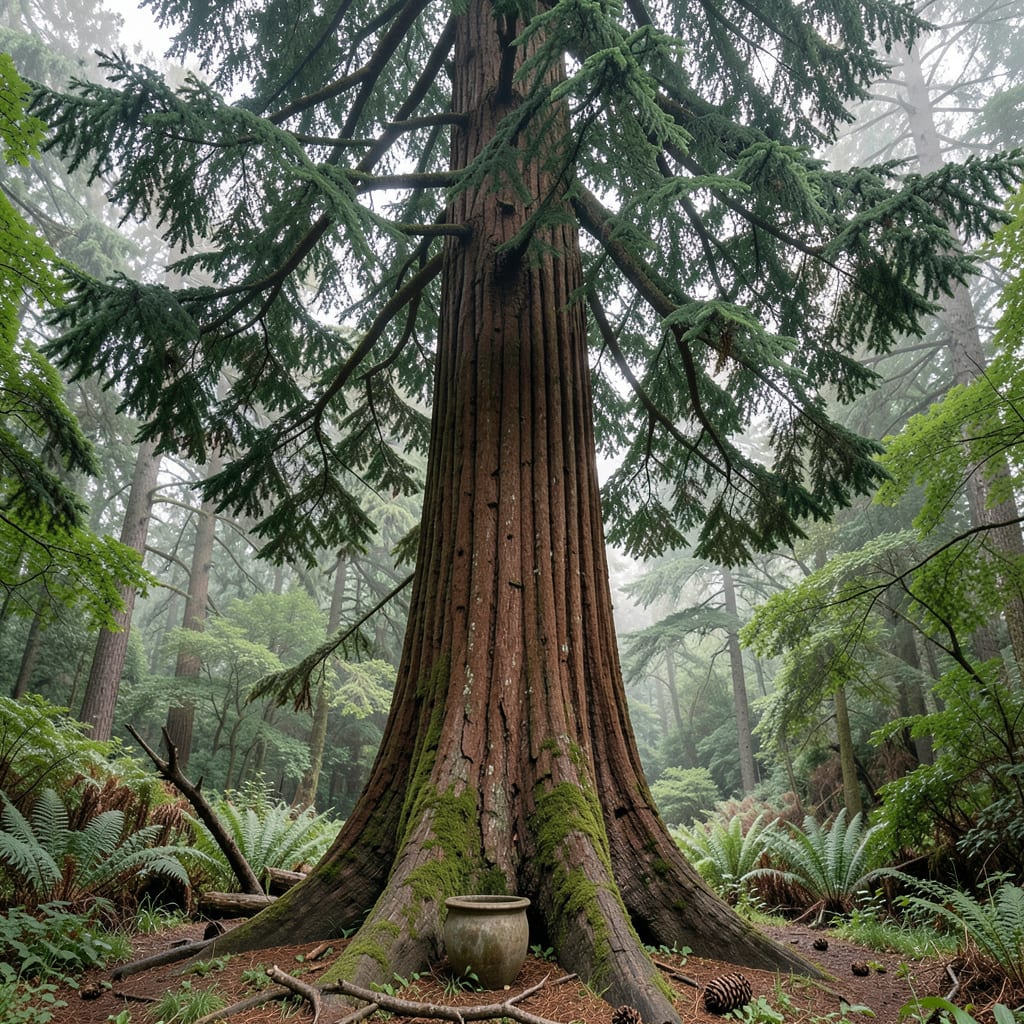
Redwood trees are nature’s skyscrapers 🌲, with some species reaching incredible heights that rival the tallest buildings. Understanding their growth helps us appreciate their grandeur and importance in forest ecosystems.
I’ve always been fascinated by these giants – did you know that some Redwood Trees can grow to be over 380 feet tall? Let’s explore what makes them so remarkable and how they achieve such impressive heights in USDA Zone 6 and beyond.

Redwood trees are known for their exceptional height, with different species achieving remarkable tallness. The tallest species include coast redwoods and giant sequoias, which are among the tallest trees in the world 🌲.
The maximum heights achieved by these trees are truly awe-inspiring. Coast redwoods can grow up to 380 feet tall, while giant sequoias can reach heights of over 300 feet. These heights are a testament to the incredible growth potential of these tree species.
The height of redwood trees is influenced by various factors, including climate, soil quality, and available moisture. These factors contribute to the trees’ ability to grow to such extraordinary heights.
In ideal conditions, with ample moisture and suitable soil, redwood trees can continue to grow for centuries. The oldest known redwoods are over 2,000 years old and still stand tall.
Understanding the maximum heights achieved by redwood trees helps us appreciate their ecological importance. These towering trees provide habitat for numerous species and play a crucial role in forest ecosystems 🌿.
Redwood trees have adapted to their environments in remarkable ways. Their thick bark and ability to resist disease contribute to their longevity and continued growth.
The study of redwood tree heights also provides insights into forest health and the impacts of environmental changes. By monitoring the growth of these trees, researchers can better understand the effects of climate change and other factors on forest ecosystems.
As we continue to learn more about these incredible trees, we gain a deeper appreciation for their role in the natural world. Redwood trees are not just remarkable for their height; they are also vital components of their ecosystems.
Conservation efforts are crucial to protect these natural wonders. By preserving redwood forests, we ensure that these trees continue to thrive for generations to come.
The majestic height of redwood trees serves as a reminder of nature’s incredible capabilities. Their grandeur inspires awe and encourages us to protect and cherish these natural giants.
Redwood trees achieve their remarkable heights due to a combination of environmental and biological factors. The climate plays a crucial role, with mild temperatures and high humidity supporting their growth 🌳.
Soil quality is another critical factor. Redwoods thrive in deep, well-drained soils that are rich in nutrients. The trees’ ability to develop extensive root systems also contributes to their height.
Redwoods require consistent moisture, particularly during their early growth stages. Fog and rainfall in their natural habitats provide the necessary water.
While redwoods can tolerate shade, they need some sunlight to undergo photosynthesis. The canopy structure allows sunlight to filter through, supporting growth.
The genetic makeup of redwood trees influences their growth potential. Some species are naturally predisposed to grow taller than others.
Understanding these factors helps us appreciate the complex interactions that allow redwood trees to achieve their remarkable heights. By studying these elements, we can better manage and conserve redwood forests 🌲.
The combination of favorable environmental conditions and the trees’ biological characteristics enables redwoods to reach extraordinary heights. Continued research into these factors will provide further insights into the growth of these magnificent trees.
Redwood trees are a testament to the incredible diversity and resilience of nature. Their ability to thrive in specific conditions highlights the importance of preserving their natural habitats.
As we learn more about the factors influencing redwood tree height, we gain a deeper understanding of these ecosystems. This knowledge is crucial for developing effective conservation strategies.
Measuring the height of redwood trees is a complex task that requires specialized techniques and equipment. Foresters and researchers use various methods to accurately determine the heights of these towering trees 🌲.
One common method involves using a clinometer to measure the angle between the base of the tree and the top. By combining this angle with the distance from the observer to the tree, researchers can calculate the tree’s height using trigonometry.
Accurate measurements are crucial for monitoring the growth and health of redwood trees. Advanced techniques like LiDAR scanning are now being used to create detailed 3D models of forest canopies.
Another method used is laser ranging, which involves shooting a laser beam at the top of the tree and measuring the time it takes for the beam to return. This technique provides highly accurate measurements and is particularly useful for tall trees.
Researchers also use aerial photography and LiDAR (Light Detection and Ranging) technology to measure tree heights. These methods allow for the creation of detailed topographic maps and can provide accurate measurements of tree heights across large areas.
The data collected from these measurements is crucial for understanding the growth patterns of redwood trees. By tracking changes in height over time, researchers can gain insights into the factors that influence tree growth and health 🌳.
Accurate measurements also help in conservation efforts by providing data on the tallest trees and their locations. This information is vital for protecting these natural giants and the ecosystems they support.
As technology continues to advance, the methods used for measuring redwood tree heights are becoming more sophisticated. This allows for more precise data collection and a deeper understanding of these incredible trees.
The continued study and measurement of redwood tree heights will help us better appreciate and protect these natural wonders for future generations.
Mature redwood trees can reach heights of 200-380 feet, with some exceptional individuals growing even taller. The tallest recorded redwood stands at over 380 feet tall. These trees are truly nature’s skyscrapers!
Redwood trees are known for their slow but steady growth. They can take 500-1,000 years or more to reach their maximum height. Some species, like the coast redwood, can continue growing for centuries. This long lifespan allows them to achieve remarkable heights.
Several factors contribute to the height of redwood trees, including climate, soil quality, and available moisture. Redwoods thrive in areas with mild temperatures, high humidity, and well-drained soil. These conditions support their growth and allow them to reach incredible heights.
Researchers use various methods to measure redwood tree heights, including clinometers, laser ranging, and LiDAR technology. These techniques allow for accurate measurements of these towering trees. By combining these methods, scientists can gain a better understanding of redwood tree growth patterns.
