
Beautiful Plants For Your Interior
Beautiful Plants For Your Interior
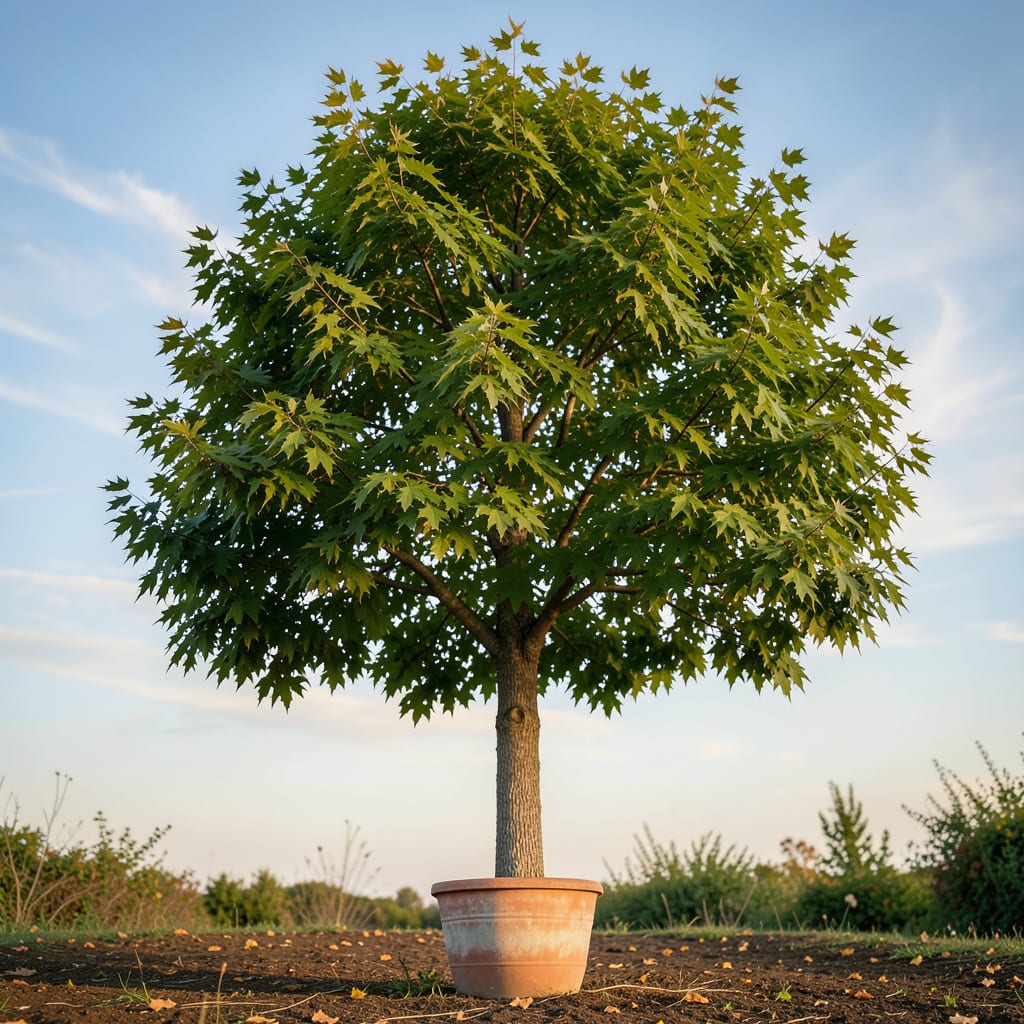
I’ve always been fascinated by the towering presence of Poplar Trees 🌳 in landscapes. Their impressive height makes them stand out, but have you ever wondered just how tall they can grow? Understanding their growth patterns helps you make informed decisions about tree placement.
Poplar Trees can reach heights between 30 to 70 feet, with some species growing even taller under ideal conditions in zones like 6a. Let’s explore what affects their growth and how to manage their height effectively.


I’ve found that different Poplar Tree species can grow to varying heights, making it essential to understand their growth patterns. The height of a Poplar Tree depends on factors like species, climate, and soil conditions 🌳.
Poplar Trees are known for their rapid growth, with some species reaching heights of over 100 feet in ideal conditions. The most common species include Black Poplar, White Poplar, and Hybrid Poplars.
The Black Poplar is one of the tallest species, with some trees reaching over 100 feet in height. The White Poplar typically grows to be 50-80 feet tall, while Hybrid Poplars can range from 60-120 feet depending on the specific cultivar.
Growth factors such as soil quality, climate, and maintenance practices play a significant role in determining the maximum height of a Poplar Tree. For example, trees grown in rich, moist soil with full sun tend to grow taller than those in poor conditions 🌿.
Understanding these factors helps gardeners and landscapers make informed decisions about tree placement and care. By selecting the right Poplar Tree species for their landscape, individuals can ensure optimal growth and health 🌳.
The maximum height of a Poplar Tree is also influenced by its growth rate. Some species can grow 3-5 feet per year, while others may grow more slowly. Regular pruning can help control the height and promote a healthy, balanced structure 🌱.
Poplar Trees are not only valued for their height but also for their ornamental value. They provide shade, act as windbreaks, and can be used for timber production. Their tall, stately presence can enhance any landscape 🌲.
In conclusion, the height of a Poplar Tree can vary significantly depending on the species and growing conditions. By understanding these factors, individuals can make informed decisions about planting and caring for these impressive trees 🌳.
For more information on managing Poplar Tree height and promoting healthy growth, consider exploring additional resources on tree care and maintenance 🌲.
By selecting the right Poplar Tree species and providing proper care, individuals can enjoy the many benefits these trees have to offer, from shade and beauty to environmental benefits 🌟.
I’ve observed that Poplar Tree growth is influenced by various factors, including soil quality, climate conditions, and maintenance practices. Understanding these elements helps gardeners and landscapers optimize tree health and maximize height 🌳.
Soil quality plays a crucial role in determining Poplar Tree height. Trees grown in rich, moist soil with good drainage tend to grow taller than those in poor conditions. The ideal soil pH for Poplar Trees ranges from 6.0 to 8.0, with nutrient-rich soil promoting healthy growth 🌿.
Rich, moist soil with good drainage promotes healthy growth and maximum height.
Adequate moisture and full sun exposure support optimal growth rates.
Regular pruning helps control height and promotes a healthy structure 🌱.
Climate conditions also significantly impact Poplar Tree growth. Trees require adequate moisture, especially during their first year of growth. Full sun exposure is essential for optimal growth rates, with most Poplar Trees thriving in USDA Zone 6a and similar conditions 🌟.
Maintenance practices, such as regular pruning, play a vital role in managing Poplar Tree height. Pruning helps control the tree’s size, promotes a balanced structure, and removes any dead or diseased branches 🌲.
By understanding and managing these factors, gardeners and landscapers can optimize Poplar Tree growth and achieve the desired height for their landscape 🌳.
Poplar Trees are known for their rapid growth, with some species growing 3-5 feet per year. This growth rate, combined with proper care and maintenance, can result in impressive heights 🌟.
In conclusion, the height of a Poplar Tree is influenced by a combination of factors, including soil quality, climate conditions, and maintenance practices. By understanding and managing these elements, individuals can promote healthy growth and achieve their desired tree height 🌳.
I understand that managing Poplar Tree height is crucial for landscaping purposes. By selecting the right species and implementing proper care techniques, individuals can achieve their desired tree height 🌳.
Pruning is an effective method for controlling Poplar Tree height. Regular pruning helps maintain a balanced structure, removes dead or diseased branches, and promotes healthy growth 🌱.
Prune your Poplar Tree annually to maintain its shape and promote healthy growth. Remove any dead or diseased branches to prevent damage 🌿.
The planting location also plays a significant role in determining Poplar Tree height. Trees planted in areas with full sun and well-drained soil tend to grow taller than those in shaded or poorly drained areas 🌟.
Species selection is another critical factor in managing Poplar Tree height. Some species, like Hybrid Poplars, can grow much taller than others, such as White Poplar. Choosing the right species for your landscape needs is essential 🌲.
By combining proper pruning techniques, planting location, and species selection, individuals can effectively manage Poplar Tree height and achieve their desired landscaping goals 🌳.
Poplar Trees can be used for various landscaping purposes, including providing shade, acting as windbreaks, and enhancing the aesthetic appeal of a property 🌟.
In conclusion, managing Poplar Tree height requires careful consideration of factors like pruning, planting location, and species selection. By understanding and implementing these strategies, individuals can optimize their tree’s growth and achieve their desired landscape design 🌳.
For more information on managing Poplar Tree height and promoting healthy growth, consider exploring additional resources on tree care and maintenance 🌲.
Poplar Trees can grow to varying heights depending on the species, but on average, they can reach 50-70 feet tall. Some species, like the Black Poplar, can grow even taller, up to 100 feet or more in ideal conditions.
Poplar Trees are known for their rapid growth, with some species growing 3-5 feet per year. This growth rate makes them an excellent choice for landscaping projects where quick results are desired. Regular maintenance, including pruning, can help control their height and promote healthy growth.
Several factors influence the height of a Poplar Tree, including soil quality, climate conditions, and maintenance practices. Trees grown in rich, moist soil with full sun exposure tend to grow taller than those in poor conditions. Proper care, such as regular watering and pruning, also plays a significant role.
Yes, regular pruning is an effective method for controlling Poplar Tree height. Pruning helps maintain a balanced structure, removes dead or diseased branches, and promotes healthy growth. It’s recommended to prune your Poplar Tree annually to achieve the desired height and shape.
