
Beautiful Plants For Your Interior
Beautiful Plants For Your Interior
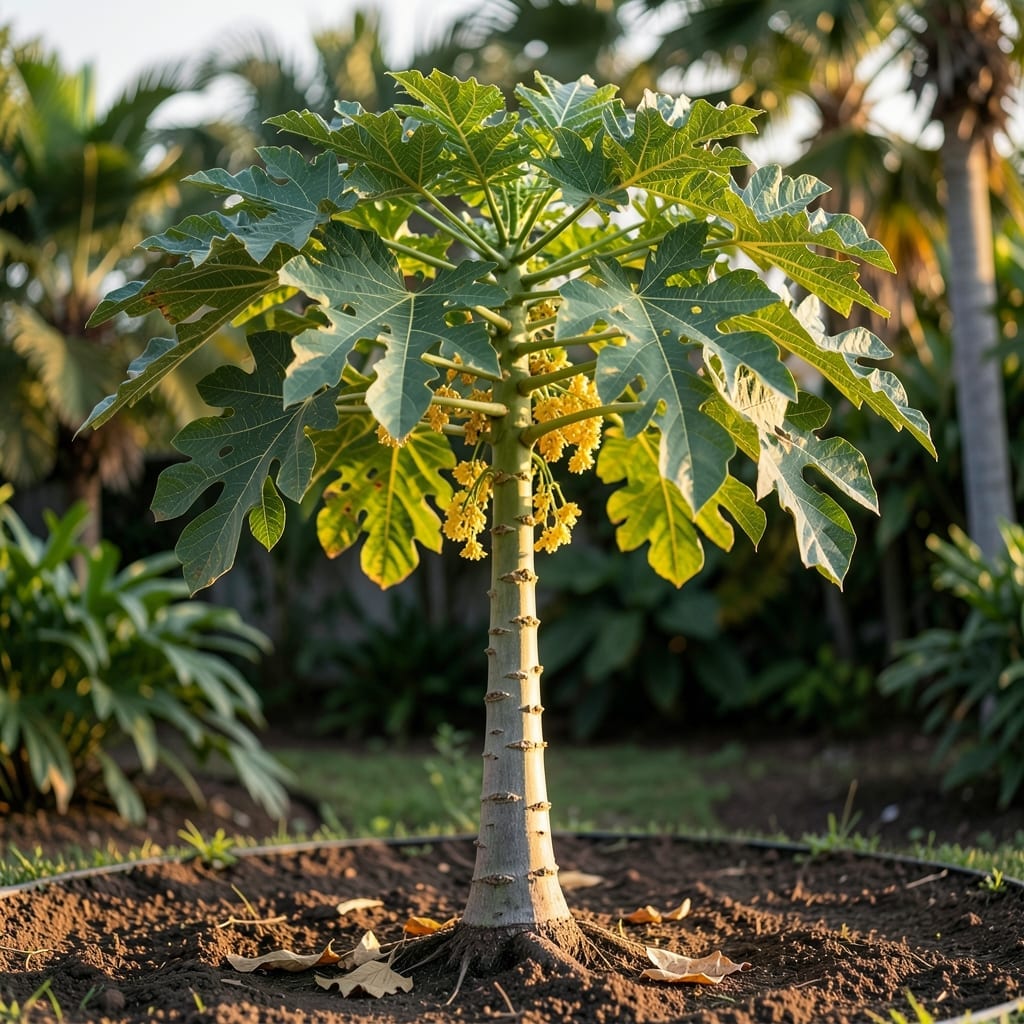
Papaya trees are tropical powerhouses that can transform your garden into a fruit-filled oasis—but their impressive height often surprises new growers.
Understanding their growth potential helps you plan space, pruning, and care for a thriving harvest. The 🌳 Papaya Tree doesn’t just bear delicious fruit; it can reach stunning heights under the right conditions.
Let me show you what to expect and how to manage this tall addition to your landscape effectively.


If you’re planning to grow a papaya tree, knowing its potential height is key. These tropical giants can vary significantly based on variety and growing conditions. I’ve seen standard varieties tower over gardens, while dwarf types stay compact.
Most standard papaya trees reach 15-30 feet tall at maturity, but dwarf varieties max out around 5-10 feet. Semi-dwarf types usually land in the 10-15 foot range. This range depends on factors like climate, soil quality, and care. 🌳
| Variety | Mature Height | Notes |
|---|---|---|
| Dwarf | 5-10 ft | Ideal for containers and small gardens |
| Semi-Dwarf | 10-15 ft | Great for medium spaces with some pruning |
| Standard (Hawaiian) | 15-20 ft | Common in home gardens, fast-growing |
| Standard (Mexican) | 20-30 ft | Tallest variety, needs ample space |
In my experience, Hawaiian papayas tend to stay on the shorter side of the standard range, usually 15-20 feet. They’re a popular choice for home growers because they’re manageable yet productive. Mexican varieties, however, can push 30 feet in ideal conditions.
Dwarf papayas are perfect if you’re limited on space. Varieties like ‘Waimanalo’ or ‘Solo’ often stay under 8 feet, making them great for potted growth. Just ensure they get full sun and well-draining soil.
Climate plays a huge role in height. In tropical zones (USDA 9-11), papayas grow taller faster. Cooler areas may stunt their growth, keeping them shorter but still fruitful with proper care. I’ve seen trees in containers stay under 6 feet due to root restriction.
Soil and watering also impact height. Rich, loamy soil with consistent moisture encourages vigorous growth. Drought or poor soil can limit a papaya’s potential. I always recommend mulching to retain moisture and fertilizing every 4-6 weeks during the growing season.
Pruning can help control height, especially for standard varieties. Topping the tree or removing upper leaves redirects energy to fruit production and keeps the canopy manageable. Just be careful—over-pruning can stress the tree and reduce yields.
For those in small gardens, I’d suggest starting with a dwarf variety. They’re easier to manage and still produce abundant fruit. If you’re set on a standard papaya, plan for vertical space and consider staking young trees to support their growth. 🌿
No matter the variety, papayas grow fast—often adding 5-10 feet in a single season under ideal conditions. That’s why it’s crucial to plan ahead for their mature height when choosing a planting spot. With the right care, you’ll be rewarded with a towering, fruit-bearing centerpiece. ✂️
Several key factors determine how tall your papaya tree will grow. I’ve found that sunlight, pruning, and planting method play the biggest roles in its final height. Even the same variety can vary by several feet based on care.
Full sun exposure (6+ hours daily) encourages maximum height. Trees in partial shade often stay shorter but may produce less fruit. In my garden, trees with unrestricted sunlight consistently outgrow those in shaded spots. 🌳
Pruning techniques can significantly limit height. I recommend topping the main stem at 5-6 feet to encourage bushier growth instead of upward expansion. This works especially well for standard varieties in small spaces.
Container planting naturally restricts height. In my experience, papayas in 15-20 gallon pots typically max out at 6-8 feet. The root restriction signals the tree to focus energy on fruit production rather than vertical growth.
Fertilizer use impacts growth rate. A balanced 10-10-10 applied every 4-6 weeks during growing season provides the nutrients needed for rapid height increase. I’ve seen trees grow 3-5 feet in a single season with proper feeding.
Finally, climate zone matters most. In USDA zones 9-11, expect maximum height. Cooler climates may result in shorter trees (10-15 feet) but can still produce fruit with winter protection. My northern-grown papayas stay smaller but remain productive with care. 🌿