
Beautiful Plants For Your Interior
Beautiful Plants For Your Interior
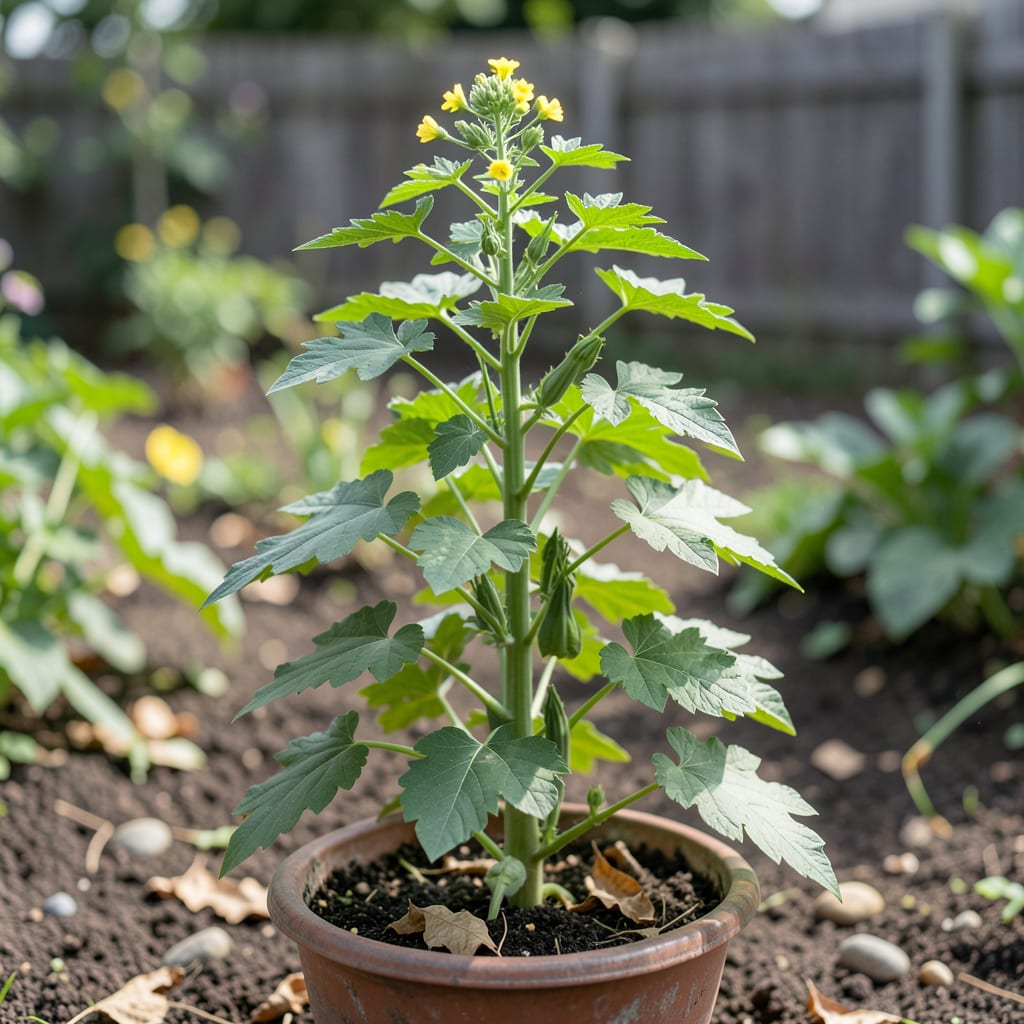
I still remember the surprise I felt when I first saw how tall my 🥬 Mustard plants grew in my garden in zone 6a. Reaching heights of up to 3 feet, they were more impressive than I expected.
If you’re wondering how tall your Mustard plants will grow, you’re in the right place. Let’s explore the factors that affect their growth and how you can optimize conditions for a successful harvest.


Mustard seeds are known for their impressive growth potential, with some varieties reaching heights that can be quite surprising. The height of mustard plants can vary significantly based on several factors, including the specific variety, growing conditions, and cultivation practices.
On average, mustard plants can grow anywhere from 1 to 3 feet tall. Some varieties, like the white mustard, tend to be more compact, while others, such as the black mustard, can grow taller 🌿.
The growth pattern of mustard plants is often influenced by factors such as soil quality, climate conditions, and cultivation practices. Understanding these factors is crucial for gardeners who want to optimize the growth of their mustard plants.
Mustard plants generally prefer well-drained soil and full sun to grow to their maximum potential 🌱. The ideal temperature for growth is between 60°F to 75°F, which is typical for many spring gardens.
In addition to the variety and growing conditions, the spacing between plants can also affect how tall mustard plants grow. Proper spacing allows for better air circulation and reduces competition for nutrients.
For gardeners looking to maximize the height of their mustard plants, it’s essential to provide the right growing conditions and follow best practices for cultivation. This includes regular watering, appropriate fertilization, and timely harvesting to encourage healthy growth.
By understanding the growth patterns and heights of mustard plants, gardeners can make informed decisions about how to care for their plants and achieve the best possible results.
Mustard seeds are not only a great addition to gardens for their height but also for their nutritional value and culinary uses. They can be used in a variety of dishes, from salads to condiments, adding a unique flavor and texture.
In conclusion, the height of mustard plants can vary, but with the right conditions and care, they can grow to be quite impressive. Whether you’re growing mustard for its greens or its seeds, understanding its growth patterns is key to a successful harvest 🌼.
For more detailed information on growing mustard and other gardening tips, be sure to check out our other articles on gardening best practices and plant care.
The height of mustard plants is influenced by several key factors that gardeners should consider when cultivating these versatile crops. Understanding these elements can help maximize growth potential and achieve the best possible harvest 🌿.
One of the primary factors affecting mustard plant height is soil quality. Mustard plants thrive in well-drained soil rich in organic matter. Soil with good structure allows for better root development, which in turn supports healthier and taller plants.
Mustard plants require well-drained soil and full sun to reach their maximum height potential. Proper spacing and regular watering also contribute to healthier and taller plants.
Climate conditions play a significant role in determining the height of mustard plants. These plants prefer cooler temperatures, typically between 60°F to 75°F, making them ideal for spring or fall cultivation in many regions.
Cultivation practices are another crucial aspect. Proper spacing between plants allows for better air circulation and reduces competition for nutrients, both of which can impact the final height of the plants.
Fertilization is also important. Using a balanced fertilizer during the growing season can provide the necessary nutrients for optimal growth. However, it’s essential to avoid over-fertilization, which can lead to excessive foliage at the expense of seed production.
By understanding and managing these factors, gardeners can create optimal conditions for their mustard plants to grow tall and healthy, ensuring a bountiful harvest 🌼.
Regular monitoring of the plants’ growth and adjusting care practices accordingly can also help in achieving the desired height and overall health of the mustard crop.
For more detailed guidance on growing mustard and other gardening tips, exploring additional resources can provide further insights into maximizing your garden’s potential.
To maximize mustard seed growth, gardeners should focus on creating optimal growing conditions that encourage healthy development and maximum height 🌱.
First, it’s essential to prepare the soil properly. Mustard plants thrive in well-drained soil rich in organic matter. Adding compost or well-rotted manure can improve soil structure and fertility, supporting robust growth.
For optimal mustard seed growth, ensure proper spacing between plants to allow for good air circulation and reduce competition for nutrients.
Proper spacing is another critical factor. Planting mustard seeds 1-2 inches apart allows for healthy growth and development. This spacing helps prevent overcrowding, which can lead to reduced plant height and increased susceptibility to disease.
Regular watering is also vital. Mustard plants prefer consistent moisture, especially during the germination and early growth stages. However, it’s crucial to avoid waterlogging, which can lead to root rot and other issues.
Fertilization plays a key role in maximizing mustard seed growth. Using a balanced fertilizer during the growing season can provide the necessary nutrients for optimal development. However, gardeners should be cautious not to over-fertilize, as this can result in excessive foliage growth at the expense of seed production.
By following these tips and creating optimal growing conditions, gardeners can maximize the growth of their mustard plants and achieve a bountiful harvest 🌼.
For more detailed guidance on growing mustard and other gardening tips, exploring additional resources can provide further insights into maximizing your garden’s potential.
Mustard plants can grow anywhere from 1 to 3 feet tall, depending on the variety and growing conditions. Some varieties, like white mustard, tend to be more compact, while others, such as black mustard, can grow taller. Proper care and optimal conditions can help maximize their height .
The height of mustard plants is influenced by several factors, including soil quality, climate conditions, and cultivation practices. Well-drained soil, full sun, and proper spacing between plants can all contribute to healthier and taller plants. Regular watering and balanced fertilization also play a crucial role .
To maximize mustard seed growth, focus on creating optimal growing conditions. This includes preparing the soil properly with compost or well-rotted manure, maintaining proper spacing between plants, and ensuring regular watering without waterlogging. Using a balanced fertilizer during the growing season can also support healthy development .
Mustard plants are typically ready to harvest 60 to 90 days after planting. Harvest when the leaves are 4-6 inches tall and tender, or when seed pods begin to form if you’re growing for seeds. Regular monitoring will help you catch them at their best .
