
Beautiful Plants For Your Interior
Beautiful Plants For Your Interior
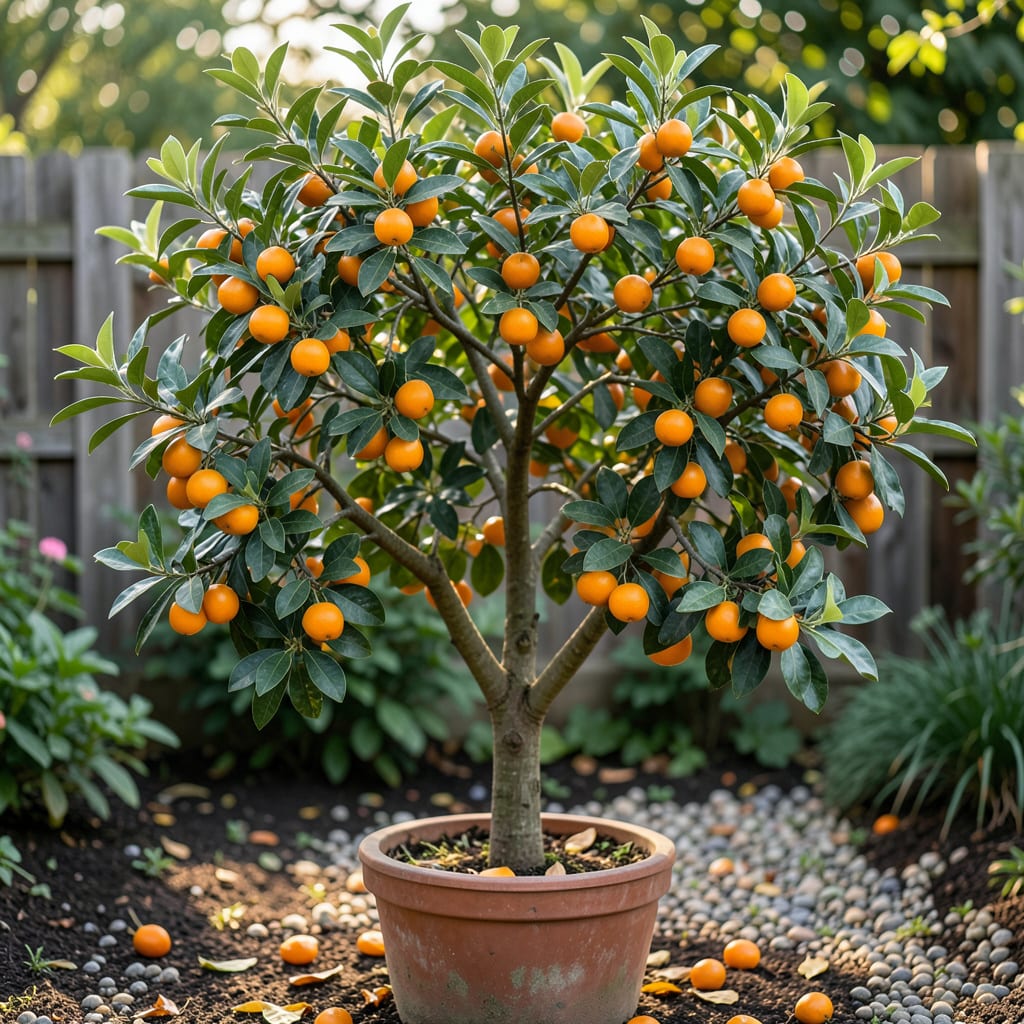
I’ve always been fascinated by the 🍊 Kumquat Tree’s compact growth habit. Growing in USDA Zone 6a, these trees can reach heights of 8-15 feet, making them perfect for smaller gardens or container planting.
Understanding their growth patterns is key to proper care. Factors like soil quality, pruning practices, and climate all play a role in determining the mature height of your Kumquat Tree.


I’ve found that understanding kumquat tree growth is crucial for garden planning. The height of these trees can vary significantly based on several factors.
The typical height range for kumquat trees is between 8-15 feet, making them suitable for various garden sizes and container planting. Factors such as variety, growing conditions, and maintenance practices all play a role in determining the mature height.
The variety of kumquat tree significantly affects its mature height. Standard varieties can grow up to 15 feet, while dwarf varieties** typically reach 8-12 feet. Understanding these growth patterns helps in selecting the right tree for your space.
Soil quality is another critical factor in kumquat tree growth. Well-draining soil with a slightly acidic pH between 6.0-6.5 promotes healthy root development and overall tree growth. Regular soil testing can help maintain optimal conditions for your kumquat tree.
Climate conditions also play a crucial role in determining kumquat tree height. These trees thrive in USDA zones 6-9, where they can receive adequate sunlight and protection from extreme temperatures. In colder regions, container planting allows for easier protection during winter months.
Pruning practices are essential for managing kumquat tree size. Regular pruning not only helps maintain a desired height but also promotes better fruit production and overall tree health. The best time to prune is during the dormant winter months before new growth begins in spring.
Proper watering is vital for healthy kumquat tree growth. These trees prefer consistent moisture but can’t tolerate waterlogging. A weekly deep soak during dry periods helps maintain optimal soil conditions for root development and overall tree health.
Fertilization practices also impact kumquat tree growth. Using a balanced fertilizer (6-6-6 NPK) every 6-8 weeks during the growing season provides necessary nutrients for healthy growth and fruit production. The first fertilization should occur in early spring as new growth appears.
Regular maintenance, including pest management and disease prevention, is crucial for maintaining healthy growth. Monitoring for common issues like scale, aphids, and citrus canker helps prevent problems that could affect tree height and overall health.
Container-grown kumquat trees require special consideration for growth management. Regular root pruning and repotting every 2-3 years helps maintain healthy root systems and controls overall tree size in container environments.
Understanding the growth characteristics of kumquat trees helps gardeners make informed decisions about planting and care. By considering factors like variety, soil quality, and maintenance practices, you can optimize your tree’s growth and enjoy its delicious fruit for years to come 🌳.
With proper care and maintenance, kumquat trees can thrive and provide both ornamental value and delicious fruit. Their relatively small size makes them suitable for various garden settings, from backyard orchards to container gardens on patios or balconies 🏠.
I find that managing kumquat tree size is crucial for maintaining both their ornamental value and fruit production. Proper pruning and training techniques can help control the tree’s height and shape.
The typical height range for kumquat trees is between 8-15 feet, but through regular pruning, you can maintain a desired height that suits your garden space.
Prune your kumquat tree during the dormant winter months to minimize stress and promote healthy growth in spring.
Start by removing any dead, diseased, or damaged branches to prevent disease spread and encourage healthy growth.
Thin out the center of the tree to allow better air circulation and sunlight penetration, promoting overall health and fruit production.
Shape your kumquat tree by cutting back overgrown branches to maintain your desired height and promote a balanced structure.
Regular pruning not only helps control the tree’s size but also enhances its overall health and fruit production. By following these steps, you can keep your kumquat tree at a manageable height while enjoying its delicious fruit 🌳.
Training your kumquat tree through techniques like espaliering can also help manage its size and shape, making it a great option for smaller garden spaces or container gardening 🏠.
Proper pruning tools are essential for effective size management. Use sharp, clean pruning shears to make precise cuts and minimize damage to the tree.
For container-grown kumquat trees, regular root pruning is crucial. This helps control the tree’s overall size and maintains a healthy root system in the container.
By combining regular pruning with proper training techniques, you can effectively manage your kumquat tree’s size and enjoy its benefits for years to come.
I’ve discovered that different kumquat tree varieties exhibit distinct growth habits, making it essential to understand their mature heights when planning your garden.
The height of kumquat trees can vary significantly based on the specific variety, ranging from compact dwarf types to standard trees.
When selecting a kumquat tree variety, it’s crucial to consider the mature height to ensure it fits your available garden space.
Dwarf varieties are ideal for smaller gardens or container planting, typically reaching 8-12 feet in height.
Semi-dwarf varieties offer a moderate growth habit, growing to 10-13 feet, making them suitable for medium-sized gardens.
Standard varieties are the largest, reaching heights of 12-15 feet, and are best suited for larger garden spaces where they have room to spread.
Understanding these height variations helps gardeners choose the right kumquat tree for their specific needs and available space 🌳.
By considering the mature height of different kumquat tree varieties, you can plan your garden more effectively and ensure your trees have enough space to grow and thrive.
Kumquat trees typically grow between 8-15 feet tall, making them suitable for various garden sizes and container planting. The height depends on factors like variety, growing conditions, and maintenance practices. Proper pruning can help maintain a desired height .
The variety of kumquat tree significantly affects its mature height. Dwarf varieties typically reach 8-12 feet, while semi-dwarf and standard varieties can grow up to 10-13 feet and 12-15 feet, respectively. Choosing the right variety helps in planning garden space effectively .
Yes, regular pruning is essential for managing kumquat tree size. Prune during the dormant winter months to minimize stress and promote healthy growth in spring. This helps maintain a desired height and promotes better fruit production and overall tree health .
Kumquat trees prefer consistent moisture but can’t tolerate waterlogging. Water them weekly during dry periods, adjusting frequency based on climate and soil conditions. Proper watering supports healthy growth and fruit production .
