
Beautiful Plants For Your Interior
Beautiful Plants For Your Interior
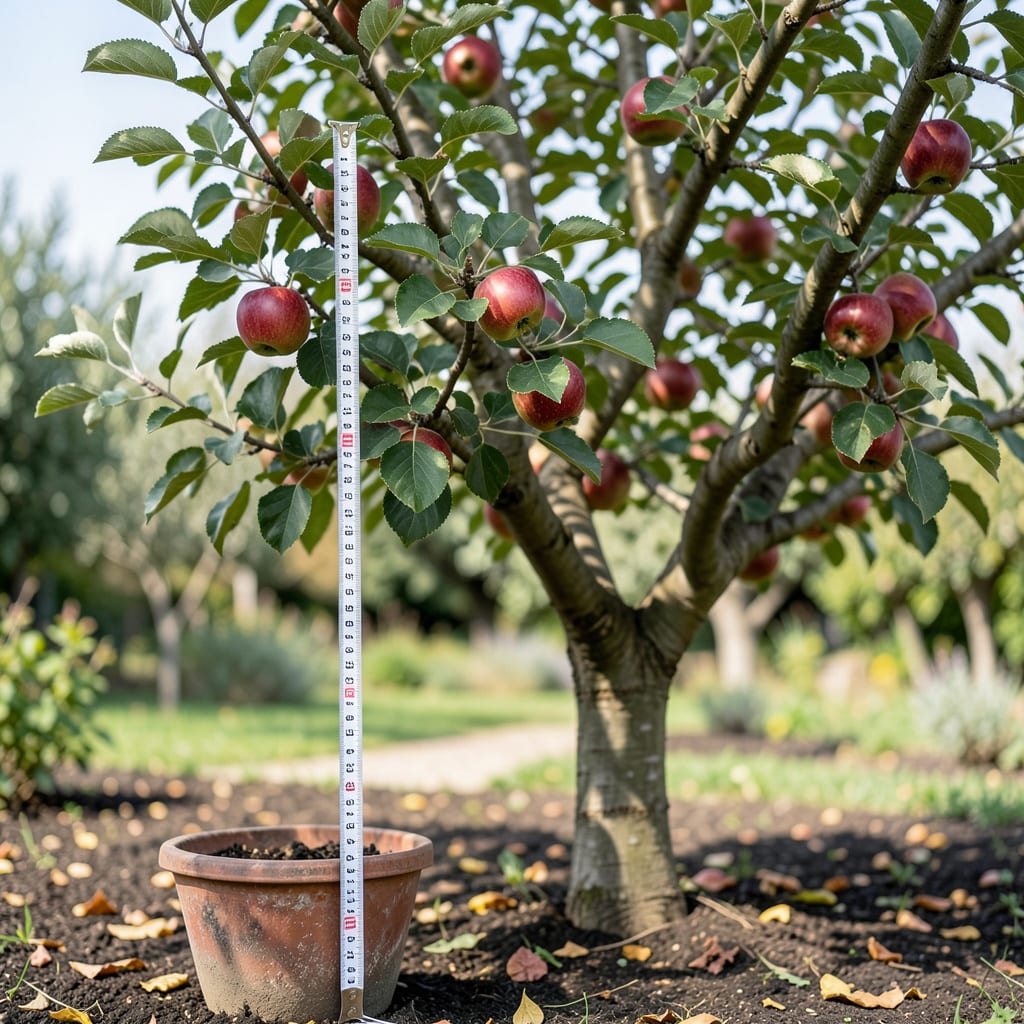
When growing a Fuji Apple 🍎 tree, understanding its potential height is crucial for proper planning. These trees can grow quite tall, but their exact height depends on several factors.
In ideal conditions, a Fuji Apple tree can reach heights of 15 to 25 feet, making them a significant presence in any garden. Let’s explore what influences their growth and how you can manage their size effectively.


Fuji apple trees are known for their vigorous growth and can reach significant heights when properly cared for. The typical height range for a mature Fuji apple tree is between 15 to 25 feet, with some factors influencing whether they reach the lower or upper end of this range.
The tree’s height is primarily determined by its rootstock, with dwarf and semi-dwarf rootstocks resulting in shorter trees, while standard rootstocks allow for taller growth. Growing conditions such as soil quality, climate, and sunlight exposure also play crucial roles in determining the final height of the tree.
The growth rate of Fuji apple trees is typically 1-2 feet per year during their early years, slowing down as they mature. Proper care, including regular watering and fertilization, is essential for achieving the desired height and ensuring the tree remains healthy and productive.
Fuji apple trees typically take 3-5 years to start producing fruit after planting, with full production reached in 5-10 years. The tree’s height will continue to increase until it reaches maturity, usually within 10-15 years 🌱.
Understanding these growth patterns helps gardeners plan their orchard layout and anticipate the tree’s mature size. Factors such as pruning techniques and training methods can significantly influence the final height and overall health of the tree.
For gardeners looking to manage the size of their Fuji apple trees, there are several strategies that can be employed. These include regular pruning to control height and promote a balanced structure, as well as training the tree to a desired shape.
By understanding the growth patterns and factors that influence the height of Fuji apple trees, gardeners can make informed decisions about planting and caring for these trees. This knowledge is essential for maximizing fruit production and maintaining a healthy orchard.
Regular maintenance, including annual pruning and monitoring for pests and diseases, is crucial for the long-term health and productivity of Fuji apple trees. By combining proper care with an understanding of the tree’s growth habits, gardeners can enjoy a bountiful harvest for years to come.
In conclusion, Fuji apple trees are a rewarding addition to any garden, offering both beautiful blossoms and delicious fruit. With proper care and management, these trees can thrive and provide a lifetime of enjoyment.
The height of a Fuji apple tree is influenced by several key factors that gardeners should consider when planning their orchard. Understanding these elements helps in making informed decisions about tree care and management 🌱.
Soil quality plays a crucial role in determining the height of Fuji apple trees. Trees grown in well-drained, fertile soil with adequate nutrient levels tend to grow more vigorously and reach their maximum potential height. Poor soil conditions can limit growth and result in smaller trees 🌿.
The height of Fuji apple trees is influenced by rootstock, soil quality, climate, sunlight, and pruning practices. Optimal conditions and proper care can help trees reach their full height potential.
Climate conditions also significantly impact the growth of Fuji apple trees. These trees thrive in temperate climates with cold winters and warm summers. Extreme weather conditions, such as prolonged drought or excessive rainfall, can stress the trees and affect their growth 📉.
Sunlight exposure is another critical factor. Fuji apple trees require full sun to produce optimal fruit and achieve their maximum height. Insufficient sunlight can result in weaker growth and reduced fruit production ☀️.
Pruning techniques are essential for managing the height of Fuji apple trees. Regular pruning helps control the tree’s size, promotes a balanced structure, and encourages fruiting. Proper pruning practices can significantly influence the final height and overall health of the tree ✂️.
By understanding and managing these factors, gardeners can optimize the growth of their Fuji apple trees and achieve the desired height. Proper care and attention to these elements are crucial for maintaining healthy and productive trees 🌳.
In addition to these factors, regular maintenance is vital for the long-term health of Fuji apple trees. This includes monitoring for pests and diseases, as well as adjusting care practices based on the tree’s response to its environment 🔍.
Effective management of Fuji apple tree height requires a comprehensive approach that considers all these factors. By doing so, gardeners can ensure their trees remain healthy, productive, and well-suited to their garden space 🌟.
Understanding the interplay of these factors helps gardeners make informed decisions about their Fuji apple trees. This knowledge is key to achieving optimal growth and enjoying a bountiful harvest for years to come 🍎.
Managing the size of a Fuji apple tree is crucial for maintaining its health and maximizing fruit production. One of the most effective ways to control the height of these trees is through pruning and training 🌳.
Pruning involves removing select branches to promote a balanced structure and encourage fruiting. For Fuji apple trees, it’s recommended to prune annually during the dormant season, typically in late winter or early spring ✂️.
Start by removing any dead, diseased, or damaged branches to prevent the spread of disease and encourage healthy growth.
Thin out the center of the tree to allow more sunlight to penetrate and promote air circulation, which helps reduce the risk of disease.
Shape the tree by cutting back branches that are growing too tall or out of place, helping to maintain the desired height and shape.
In addition to pruning, training the tree is essential for managing its size and structure. This involves guiding the growth of the tree by selecting and supporting certain branches 🌿.
By combining regular pruning with effective training techniques, gardeners can maintain the health and productivity of their Fuji apple trees while controlling their height. This approach ensures that the trees remain well-suited to their garden space and continue to produce delicious fruit for years to come 🍎.
Regular maintenance, including monitoring for pests and diseases, is also crucial for the long-term health of Fuji apple trees. By staying vigilant and adjusting care practices as needed, gardeners can enjoy a bountiful harvest and a beautiful, thriving tree 🌟.
Understanding the importance of pruning and training helps gardeners take a proactive approach to managing their Fuji apple trees. With the right techniques and a bit of patience, it’s possible to achieve the perfect balance between size and productivity 🌱.
Fuji apple trees typically grow between 15 to 25 feet tall when mature. The exact height depends on factors like rootstock and growing conditions. Proper care can help them reach their full potential height.
The rootstock significantly influences the tree’s height. Dwarf rootstocks result in trees that are 8-12 feet tall, semi-dwarf rootstocks produce trees that are 12-18 feet tall, while standard rootstocks allow trees to grow up to 20-25 feet tall. Choosing the right rootstock helps manage the tree’s size.
Yes, regular pruning is an effective way to control the height of your Fuji apple tree. Prune annually during the dormant season to maintain the desired height and promote a balanced structure. Proper pruning techniques can significantly influence the tree’s final height and overall health.
Fuji apple trees typically take 10-15 years to reach their mature height. The growth rate is usually 1-2 feet per year during the early years, slowing down as the tree matures. Proper care, including regular watering and fertilization, supports healthy growth.
