
Beautiful Plants For Your Interior
Beautiful Plants For Your Interior
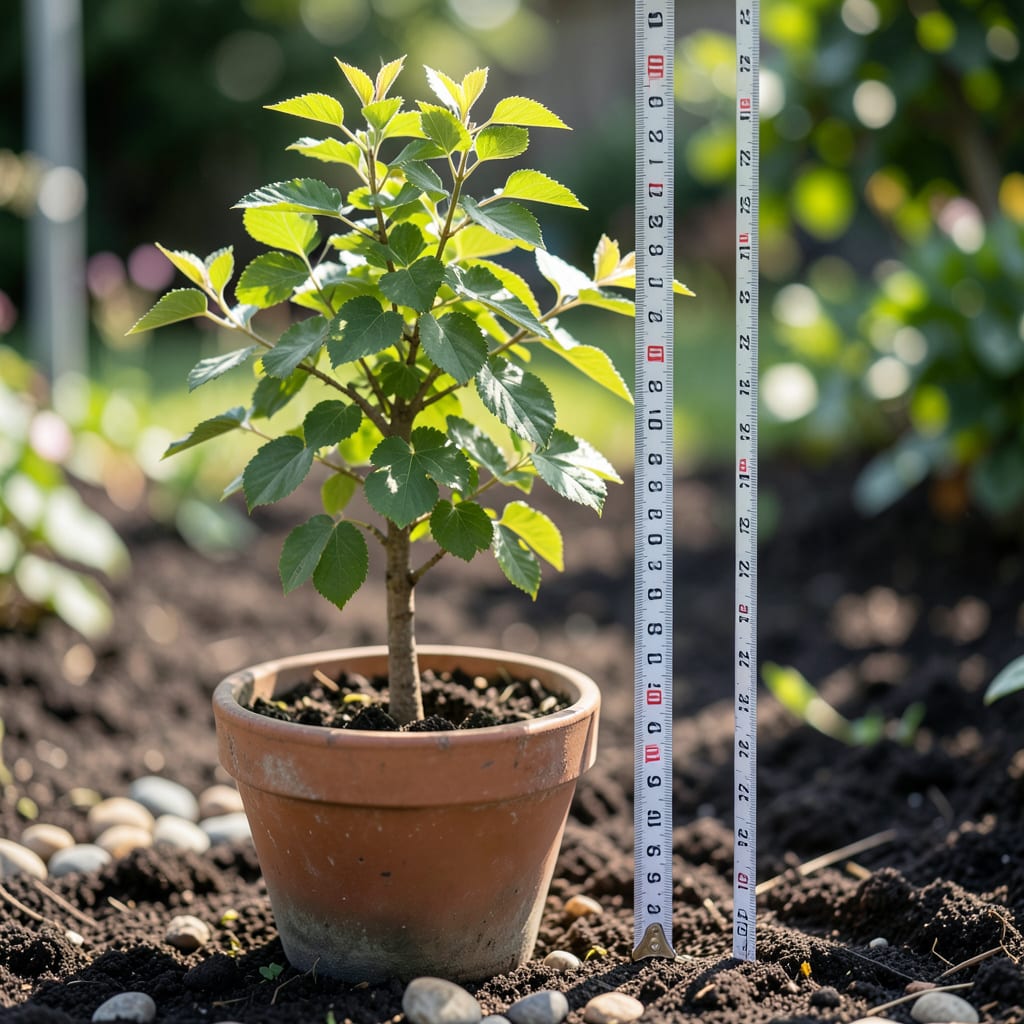
I’ve always been fascinated by compact fruit trees, and the Dwarf Mulberry Tree 🌳 is one of my favorites. Growing in USDA Zone 6, these trees offer a perfect blend of size control and abundant fruit production.
So, how tall does a Dwarf Mulberry Tree actually grow? Let’s explore the growth patterns and factors that influence their height, helping you make informed decisions for your garden.


Dwarf mulberry trees are known for their compact size, making them ideal for smaller gardens or container growing. Their growth patterns are influenced by several key factors that determine their mature height.
The typical height range for a mature dwarf mulberry tree is between 6 to 10 feet, with some varieties growing slightly taller under optimal conditions. This compact growth habit is achieved through careful cultivation and grafting techniques.
The growth rate of dwarf mulberry trees is generally 1 to 2 feet per year, depending on factors such as soil quality, sunlight exposure, and watering practices. In their first year, these trees usually grow about 2 feet, establishing a strong root system.
Genetics play a crucial role in determining the height of dwarf mulberry trees. Different cultivars have been developed to exhibit varying growth habits, allowing gardeners to choose the most suitable variety for their space.
Growing conditions also significantly impact the height of these trees. Factors such as soil quality, sunlight exposure, and watering practices can either promote or limit growth. For instance, trees grown in poor soil may not reach their full potential height.
Pruning is another critical factor that influences the height of dwarf mulberry trees. Regular pruning not only helps maintain a desired height but also promotes healthy growth and fruit production. By selectively removing branches, gardeners can control the overall size and the tree’s shape.
Understanding these growth patterns is essential for gardeners to provide the best care for their dwarf mulberry trees. By recognizing the factors that influence their height, individuals can make informed decisions about planting, maintenance, and pruning.
For those new to growing dwarf mulberry trees, it’s essential to start with healthy nursery stock and provide optimal growing conditions. This includes full sun exposure, well-draining soil, and regular watering.
As the tree grows, regular monitoring and maintenance are crucial. This includes checking for pests, diseases, and nutrient deficiencies, as well as pruning to maintain the desired shape and size.
Dwarf mulberry trees can be grown in various settings, from backyard gardens to container gardens on patios or balconies. Their compact size and relatively low maintenance requirements make them an excellent choice for many gardeners.
In summary, dwarf mulberry trees typically grow between 6 to 10 feet tall, with their height influenced by genetics, growing conditions, and pruning practices. By understanding these factors and providing appropriate care, gardeners can enjoy the benefits of these productive and compact fruit trees.
Several factors influence the height of dwarf mulberry trees, making it essential to understand their specific needs. The soil quality plays a significant role in determining the tree’s height, with well-draining soil being crucial for healthy growth 🌳.
Sunlight exposure is another critical factor, as dwarf mulberry trees require full sun to thrive. Adequate sunlight directly impacts the tree’s ability to produce fruit and maintain its overall health.
The height of dwarf mulberry trees is influenced by a combination of factors including soil quality, sunlight exposure, watering practices, and fertilization. Understanding these elements is crucial for maintaining a healthy and productive tree.
Watering practices also significantly affect the height of dwarf mulberry trees. Consistent moisture is essential, especially during the tree’s early growth stages. However, overwatering can be detrimental, so it’s crucial to strike the right balance.
Fertilization is another important aspect to consider. Using a balanced fertilizer during the growing season can promote healthy growth and fruit production. The frequency and amount of fertilizer application depend on the tree’s age and soil conditions.
In addition to these factors, pruning practices play a vital role in controlling the height of dwarf mulberry trees. Regular pruning not only helps maintain a desired height but also encourages the tree to produce more fruit.
By understanding and managing these factors, gardeners can optimize the growth and productivity of their dwarf mulberry trees. This includes monitoring the tree’s response to different conditions and adjusting care practices accordingly.
For gardeners looking to maximize their tree’s potential, it’s essential to provide optimal growing conditions. This includes ensuring the tree receives adequate sunlight, water, and nutrients, as well as regular pruning to maintain its shape and size.
In summary, the height of dwarf mulberry trees is influenced by a combination of factors including soil quality, sunlight exposure, watering practices, fertilization, and pruning. By understanding and managing these elements, gardeners can promote healthy growth and maximize fruit production 🌟.
Pruning is a crucial technique for maintaining the desired height of dwarf mulberry trees while promoting healthy growth and maximizing fruit production. I recommend pruning these trees annually to keep them compact and encourage fruiting 🌳.
The best time to prune dwarf mulberry trees is during their dormant season, typically in late winter or early spring. This timing helps minimize stress on the tree and allows for quick recovery once the growing season begins.
Start by removing any dead, diseased, or damaged branches to prevent the spread of disease and encourage healthy growth.
Thin out the center of the tree to allow more sunlight to penetrate and promote air circulation, which helps reduce the risk of disease.
Shape the tree by cutting back branches that are growing outside of the desired shape or size, making clean cuts just above a bud or lateral branch.
When pruning, it’s essential to use the right tools to make clean cuts and minimize damage to the tree. I recommend using sharp, sterile pruning shears or loppers for smaller branches, and a pruning saw for larger branches.
Regular pruning not only helps control the height of dwarf mulberry trees but also promotes a balanced structure, encourages fruiting, and removes any potentially hazardous branches. By following these pruning techniques, gardeners can enjoy a healthy and productive tree for years to come 🌟.
In addition to pruning, maintaining overall tree health through proper watering, fertilization, and pest management is crucial for optimal growth and fruit production.
For gardeners new to pruning dwarf mulberry trees, it’s a good idea to start with light pruning and gradually increase the intensity as needed. This approach helps the tree adapt to the pruning process and minimizes stress.
By incorporating these pruning techniques into your regular gardening routine, you can effectively control the height of your dwarf mulberry tree while promoting its overall health and productivity.
Dwarf mulberry trees typically grow between 6 to 10 feet tall, making them perfect for smaller gardens or container growing. Their compact size is achieved through careful cultivation and grafting techniques. This height range allows for easy maintenance and harvesting.
Dwarf mulberry trees have a growth rate of 1 to 2 feet per year, depending on factors like soil quality, sunlight, and watering practices. In their first year, they usually grow about 2 feet, establishing a strong root system. Proper care can support their growth.
Yes, you can control the height through regular pruning. Prune your tree during its dormant season, typically in late winter or early spring. This helps maintain a desired height and promotes healthy growth and fruit production. Regular pruning is key.
Several factors influence their height, including soil quality, sunlight exposure, watering practices, and fertilization. Well-draining soil, full sun, consistent moisture, and balanced fertilization support healthy growth. Understanding these factors helps in providing optimal care.
