
Beautiful Plants For Your Interior
Beautiful Plants For Your Interior
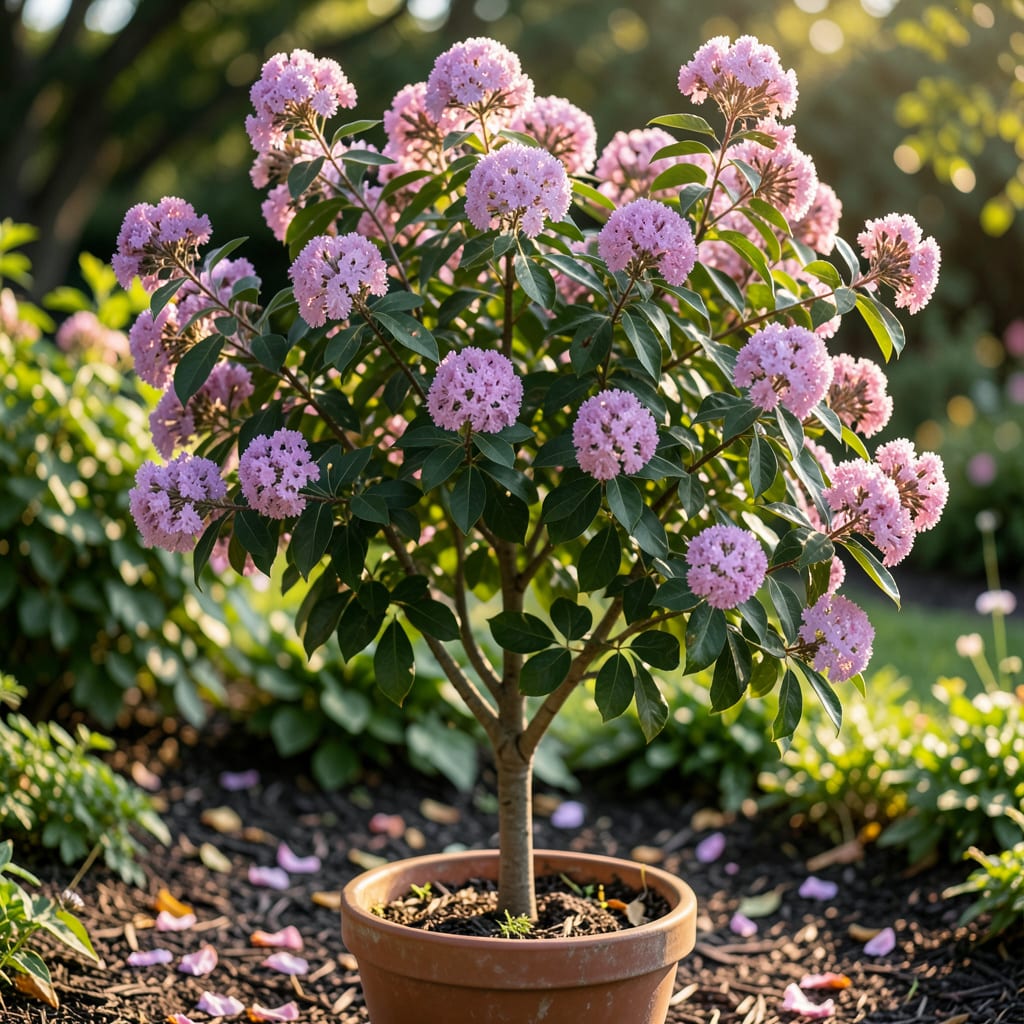
As spring arrives, gardeners eagerly anticipate the vibrant blooms of their Crepe Myrtle 🌳. But have you ever wondered just how tall these beautiful trees can grow? Understanding their growth potential is key to planning your garden perfectly.
Crepe Myrtles can reach varying heights depending on factors like variety and growing conditions in your USDA Zone 6 garden. Let’s explore what you can expect and how to manage their size effectively.


Crepe myrtle height is influenced by multiple factors that gardeners should consider when planting and caring for these beautiful trees. The variety of crepe myrtle is perhaps the most significant factor, as different cultivars have been bred for specific growth habits ranging from compact dwarf varieties to larger standard types.
Soil quality plays a crucial role in crepe myrtle growth. These trees thrive in well-draining soil with a slightly acidic to neutral pH. Soil that is too dense or poorly draining can limit root development and consequently affect overall height 🌳.
The amount of sunlight crepe myrtles receive significantly impacts their growth. These trees require full sun (at least 6 hours of direct sunlight) to reach their maximum height potential. Less sunlight can result in reduced growth and fewer blooms.
Pruning practices are another critical factor in determining crepe myrtle height. Regular pruning not only controls the tree’s size but also encourages healthier growth and more abundant flowering. The timing and technique of pruning can significantly affect the tree’s overall development.
Understanding these factors helps gardeners make informed decisions about crepe myrtle care and maintenance. By selecting the right variety and providing appropriate growing conditions, gardeners can optimize their crepe myrtle’s growth and enjoy its beautiful blooms for years to come 🌼.
Crepe myrtles are known for their relatively fast growth rate, especially when young. They can grow 1-2 feet per year under ideal conditions. However, their growth rate slows as they mature.
Proper care, including regular watering during dry spells and annual fertilization, can support healthy growth. However, over-fertilization should be avoided as it can lead to excessive vegetative growth at the expense of flowering.
By considering these factors and adjusting care practices accordingly, gardeners can better manage their crepe myrtle’s height and overall health. This thoughtful approach ensures that these beautiful trees continue to thrive and enhance the garden landscape.
Crepe myrtles are also known for their drought tolerance once established, but consistent moisture during their first few growing seasons can help them reach their full height potential more quickly.
The mature size of crepe myrtles varies widely among different cultivars. While some dwarf varieties may only reach 3-5 feet in height, standard varieties can grow to 15-20 feet or more when given ideal growing conditions.
In conclusion, understanding the factors that affect crepe myrtle height growth allows gardeners to make informed decisions about variety selection and care practices. This knowledge is essential for achieving the desired height and maintaining the overall health of these beautiful trees.
Crepe myrtles come in a wide range of varieties, each with its own growth characteristics. Understanding these differences is crucial for gardeners to make informed decisions about which type to plant 🌳.
The height of crepe myrtles can vary significantly across different cultivars. While some dwarf varieties remain compact, others can grow into substantial trees. Let’s explore the typical height ranges for various crepe myrtle types.
When selecting a crepe myrtle variety, it’s essential to consider the mature height to ensure it fits your garden space. Dwarf varieties are ideal for smaller gardens or containers, while standard varieties work well as specimen trees in larger landscapes 🌼.
Crepe myrtles are known for their vibrant summer blooms, which can last for 60-120 days depending on the variety and growing conditions. Their flowers come in shades of pink, purple, red, and white, adding color to gardens throughout the summer.
In addition to their height, crepe myrtles also vary in their spread and growth habit. Some varieties have a more upright growth pattern, while others spread wider, creating a broader canopy.
Gardeners should also be aware of the growth rate of their chosen crepe myrtle variety. While younger trees tend to grow faster, their growth slows as they mature. Proper care, including regular watering and annual fertilization, can support healthy growth.
By understanding the average and maximum heights of different crepe myrtle varieties, gardeners can better plan their landscapes and choose the right trees for their needs. Whether you’re looking for a compact shrub or a statement tree, there’s a crepe myrtle variety to suit your garden design 🌳.
It’s worth noting that while crepe myrtles can grow to varying heights, they generally require minimal maintenance. Regular pruning can help maintain their shape and promote healthy growth, ensuring they remain a beautiful addition to any garden.
Effective management of crepe myrtle size requires a combination of proper pruning techniques and ongoing care practices. Regular pruning is essential for maintaining the desired height and shape of these trees 🌳.
Prune in late winter or early spring before new growth begins. Remove dead, diseased, or crossing branches to maintain health and desired shape.
When pruning crepe myrtles, it’s crucial to use proper techniques to avoid damaging the tree. This includes making clean cuts at a 45-degree angle just above a bud or lateral branch.
Pruning timing is also critical. Prune in late winter or early spring before new growth begins. This timing helps minimize stress on the tree and promotes healthy regrowth.
In addition to pruning, other care practices can influence crepe myrtle size. These include watering, fertilization, and mulching. Proper care can support healthy growth and help maintain the desired size.
For gardeners looking to control crepe myrtle height, regular maintenance is key. This includes annual pruning and monitoring the tree’s growth throughout the growing season 🌼.
By combining effective pruning techniques with proper care practices, gardeners can successfully manage their crepe myrtle’s size and enjoy these beautiful trees for years to come.
Crepe myrtles are known for their relatively fast growth rate, especially when young. They can grow 1-2 feet per year under ideal conditions. However, their growth rate slows as they mature.
Dwarf crepe myrtle varieties are compact and typically grow between 3-5 feet tall. They’re ideal for smaller gardens or containers where space is limited.
Yes, regular pruning is an effective way to control crepe myrtle height. Prune in late winter or early spring before new growth begins to maintain the desired shape and size.
Standard crepe myrtle varieties can grow quite tall, reaching heights of 12-20 feet or more when given ideal growing conditions. They’re perfect for larger landscapes where they can serve as specimen trees.
