
Beautiful Plants For Your Interior
Beautiful Plants For Your Interior
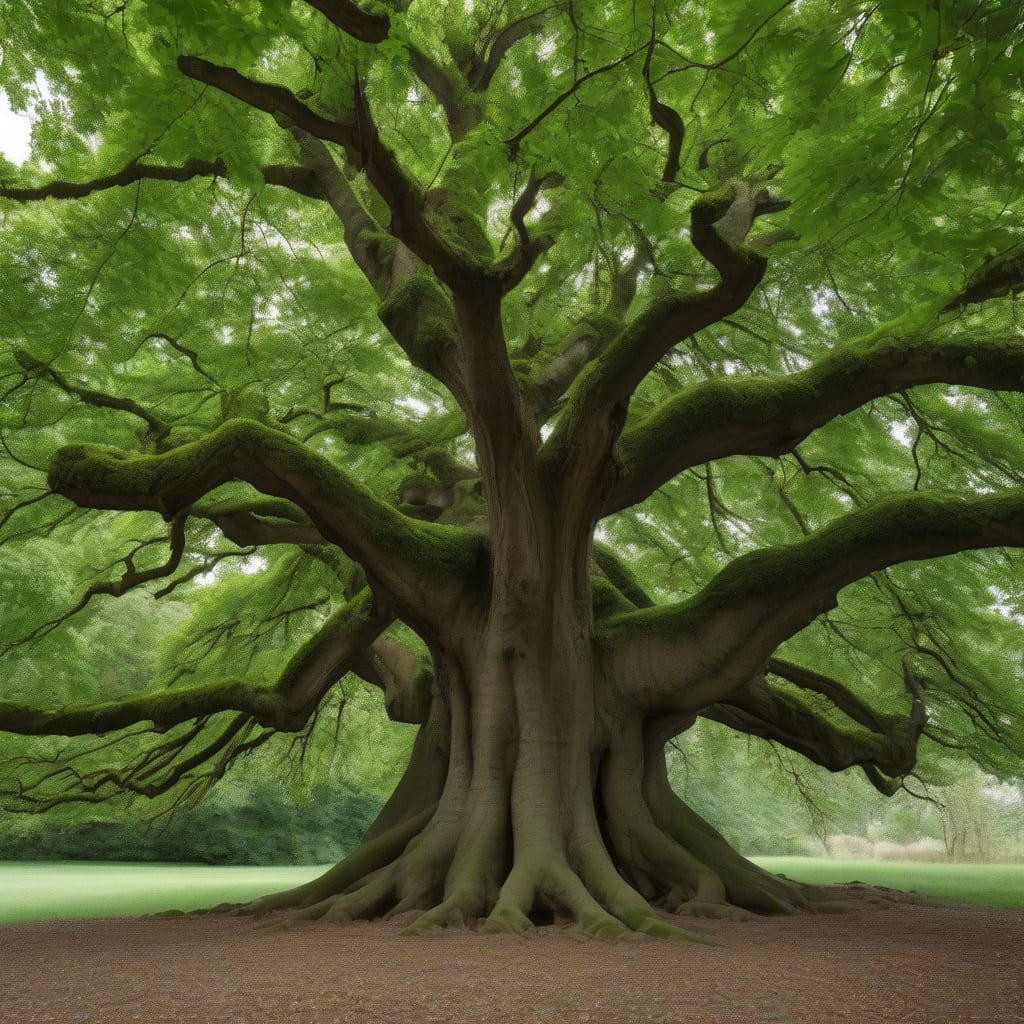
When planting a Chestnut Tree 🌳, understanding its growth potential is crucial for proper landscape planning. These majestic trees can transform any outdoor space with their impressive size and beautiful foliage.
In USDA Zone 6, Chestnut Trees can grow to varying heights depending on the specific variety and growing conditions. Let’s explore what you can expect from these magnificent trees.


Chestnut trees are known for their impressive size and longevity. The maximum height potential of these trees varies significantly based on the specific variety and growing conditions 🌳.
In general, Chestnut Trees can grow between 40 to 100 feet tall. The height is influenced by factors such as soil quality, climate, and available sunlight.
The standard varieties of Chestnut Trees are known to reach the greatest heights, often towering above other trees in the landscape. These trees require ample space to grow and thrive 🌳.
Semi-dwarf and dwarf varieties are more compact and can be suitable for smaller landscapes or orchards where space is limited. Despite their smaller size, they still produce a significant yield of chestnuts.
The height of a Chestnut Tree is also influenced by environmental factors such as soil quality, moisture levels, and exposure to sunlight. Trees grown in optimal conditions with full sun and well-drained soil tend to reach their maximum height potential.
Understanding the maximum height potential of Chestnut Trees is essential for planning and maintaining a healthy and balanced landscape. Proper care and maintenance can help ensure that these trees reach their full potential and remain healthy for years to come 🌳.
By considering the specific variety and growing conditions, you can better estimate the height your Chestnut Tree will achieve and plan your landscape accordingly.
Factors such as climate, soil quality, and available sunlight play a crucial role in determining the ultimate height of a Chestnut Tree. By optimizing these conditions, you can help your tree reach its maximum height potential.
Regular pruning and maintenance are also important for promoting healthy growth and maximizing the height of your Chestnut Tree. Proper care can help prevent disease and pests that may impact the tree’s growth.
In conclusion, the maximum height potential of Chestnut Trees is influenced by a variety of factors, including the specific variety and growing conditions. By understanding these factors and providing proper care, you can help your tree thrive and reach its full potential 🌳.
With proper planning and maintenance, Chestnut Trees can be a beautiful and rewarding addition to any landscape, providing shade, beauty, and a bountiful harvest of chestnuts.
Understanding the growth patterns of Chestnut Trees is essential for gardeners and landscapers. These trees follow a predictable pattern of development, from young saplings to mature trees 🌳.
In the first few years, Chestnut Trees focus on developing their root system and establishing a strong foundation. During this period, the trees typically grow 1-2 feet per year.
During the initial years, Chestnut Trees focus on developing their root system and establishing a strong foundation. Growth is typically 1-2 feet per year 🌱.
As the tree matures into a sapling, the growth rate accelerates, with annual increases of 2-3 feet. The tree begins to develop its canopy and branch structure 🌳.
Once the tree reaches maturity, the growth rate slows down, but it continues to develop its branch structure and produce nuts. Mature trees can live for hundreds of years 🌰.
The growth rate of Chestnut Trees can be influenced by various factors, including soil quality, climate, and available sunlight. Trees grown in optimal conditions tend to grow faster and reach their maximum height potential more quickly.
Pruning practices also play a crucial role in shaping the tree’s growth pattern. Regular pruning can help maintain a healthy and balanced structure, promoting optimal growth and nut production 🌳.
By understanding the growth patterns and height development stages of Chestnut Trees, gardeners and landscapers can better plan and care for these magnificent trees. Proper care and maintenance can help ensure that the trees thrive and reach their full potential.
In conclusion, Chestnut Trees follow a predictable pattern of growth and development, from young saplings to mature trees. By understanding these patterns and providing proper care, you can help your tree grow into a majestic and productive addition to your landscape 🌳.
Several factors can significantly impact the height growth of Chestnut Trees. Understanding these factors is crucial for optimizing growing conditions and ensuring your tree reaches its maximum height potential 🌳.
Soil conditions, climate, and pruning practices are critical factors that can significantly impact the height growth of Chestnut Trees. Poor soil quality, extreme weather conditions, and improper pruning can all negatively affect tree growth.
Soil quality plays a crucial role in determining the height of a Chestnut Tree. Trees grown in well-drained, fertile soil tend to grow faster and reach greater heights. Poor soil conditions can limit root development and impact overall tree health 🌱.
Climate conditions also significantly influence the growth rate and maximum height of Chestnut Trees. Trees grown in areas with mild winters and warm summers tend to grow more rapidly than those in areas with harsher climate conditions ❄️.
Pruning practices are essential for maintaining a healthy and balanced tree structure. Regular pruning can help promote optimal growth, prevent disease, and maximize nut production 🌳.
By understanding and managing these critical factors, you can help your Chestnut Tree reach its full potential and enjoy a bountiful harvest of chestnuts for years to come 🌰.
