
Beautiful Plants For Your Interior
Beautiful Plants For Your Interior
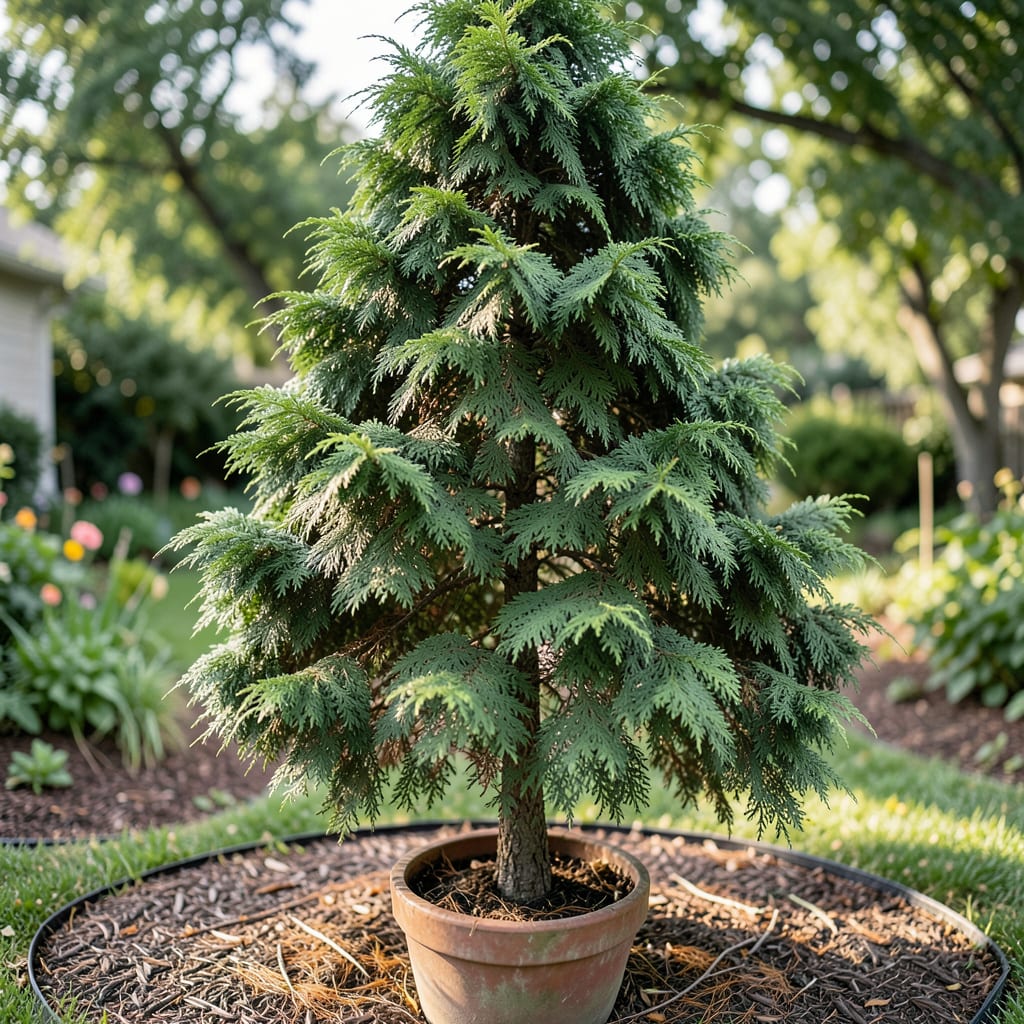
When I think about majestic trees that add beauty and fragrance to our landscapes, the 🌲 Cedar Tree immediately comes to mind. These stunning trees can grow to varying heights depending on their species and growing conditions.
In my experience, understanding how tall a Cedar Tree can grow is essential for planning your garden or landscape effectively. Let’s explore the growth potential of these magnificent trees and what you can expect in terms of their height.


When I consider the growth potential of cedar trees, I realize that several key factors come into play. The climate is one of the most significant elements affecting how tall a cedar tree can grow. Cedar trees generally thrive in temperate climates with adequate moisture 🌟.
The soil quality is another critical factor that influences cedar tree height. Well-drained soil with the right pH balance can significantly impact the tree’s ability to grow tall and strong. I always recommend testing your soil before planting a cedar tree 🌿.
The species of cedar tree also plays a crucial role in determining its maximum height. Different species have different growth habits and potential heights. For example, the Western Red Cedar can grow much taller than the Eastern Red Cedar 🌲.
Understanding these factors is essential for gardeners and landscapers who want to cultivate healthy and thriving cedar trees. By considering climate, soil quality, and species, you can better predict and manage the growth of your cedar trees 🌱.
In my experience, cedar trees are generally drought-tolerant once established, but they still require adequate moisture, especially when they’re young. Regular watering during dry spells can significantly impact their growth rate 💧.
Nutrient availability is another factor that can influence cedar tree growth. Fertilizing your cedar trees with a balanced fertilizer can promote healthy growth, but it’s essential to avoid over-fertilizing ⚖️.
The age of the tree also affects its growth rate. Young cedar trees tend to grow faster than older trees. As the tree matures, its growth rate slows down ⏱️.
By understanding these various factors and how they interact, you can better manage the growth of your cedar trees and enjoy their beauty and benefits for years to come 🌳.
For more specific information on cedar tree growth, let’s examine the maximum heights of popular cedar tree species in the next section 📚.
Cedar trees are known for their impressive height, but different species have varying growth potentials. Let’s explore the maximum heights of popular cedar tree species to better understand what to expect 🌲.
The height of cedar trees can vary significantly depending on the species. Some cedar trees are naturally taller than others, and understanding these differences is crucial for landscape planning 📏.
The Eastern Red Cedar typically grows between 30-40 feet tall, with a maximum height of around 50 feet. This species is often used for landscaping due to its manageable size 🌳.
In contrast, the Western Red Cedar can reach much greater heights, typically growing between 50-70 feet and sometimes reaching up to 100 feet in ideal conditions 🌲.
The Atlas Cedar is another species that can grow quite tall, with typical heights ranging from 40-60 feet and maximum heights of up to 100 feet. This species is known for its broad, spreading canopy 🌳.
Understanding the maximum height of different cedar tree species is essential for selecting the right tree for your landscape. By choosing a species that fits your space, you can ensure a beautiful and thriving tree for years to come 🌟.
In my experience, it’s also important to consider the growth rate of cedar trees when planning your landscape. Some species grow faster than others, which can impact their maximum height over time ⏱️.
For more information on managing cedar tree height, let’s explore some practical tips for pruning and maintenance in the next section 📚.
When it comes to managing cedar tree height for landscape purposes, I always consider the importance of pruning and maintenance. Regular pruning helps control the tree’s height and shape, ensuring it remains a beautiful and functional part of your landscape 🌳.
Prune your cedar trees during the dormant season to minimize stress and promote healthy growth. Remove any dead or damaged branches to maintain the tree’s overall health 🌲.
In my experience, the key to effective cedar tree height management is regular maintenance. This includes monitoring the tree’s growth rate and adjusting your pruning schedule accordingly ⏱️.
Pruning techniques can vary depending on the desired outcome. For example, you can use crown reduction to decrease the overall height of the tree, or thinning to allow more sunlight to penetrate the canopy 🌟.
It’s also essential to consider the growth rate of your cedar tree when planning your pruning schedule. Faster-growing species may require more frequent pruning to maintain a desired height 📏.
By combining regular pruning with proper care and maintenance, you can effectively manage the height of your cedar trees and enjoy their beauty for years to come 🌳.
In conclusion, managing cedar tree height requires a combination of regular pruning, proper care, and maintenance. By following these tips, you can keep your cedar trees healthy and thriving 🌲.
Cedar trees can grow to varying heights depending on the species. On average, they can reach heights between 30-60 feet. Some species, like the Western Red Cedar, can grow even taller, up to 100 feet in ideal conditions.
Cedar trees are considered moderate growers. They can grow around 1-2 feet per year when young, but their growth rate slows down as they mature. Factors like climate, soil quality, and species can influence their growth rate.
Yes, cedar tree height can be managed through regular pruning and maintenance. Pruning during the dormant season can help control the tree’s height and promote healthy growth. Techniques like crown reduction and thinning can also be used to maintain a desired height.
Different cedar species have varying maximum heights. For example, the Eastern Red Cedar typically grows up to 50 feet, while the Western Red Cedar and Atlas Cedar can reach heights of up to 100 feet. Understanding the specific species’ growth potential is crucial for landscape planning.
