
Beautiful Plants For Your Interior
Beautiful Plants For Your Interior
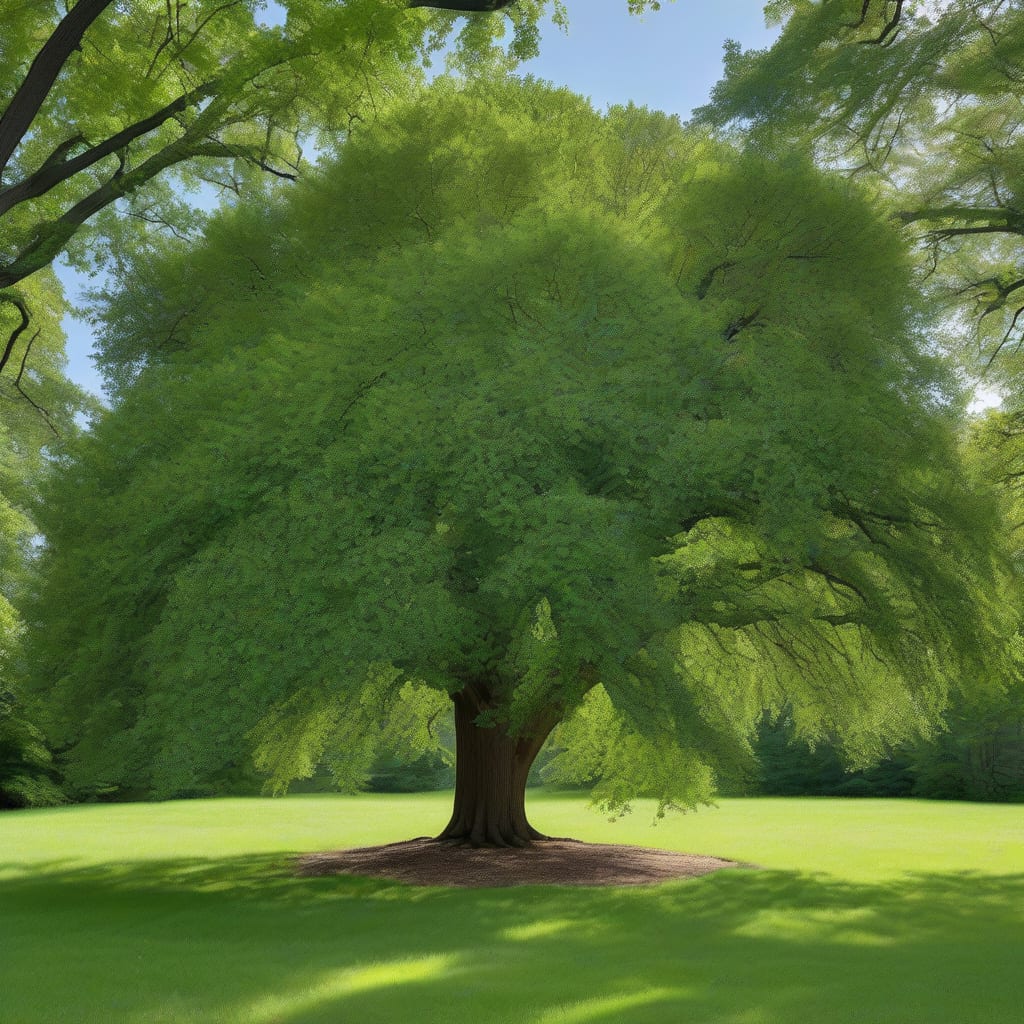
I’ve always been fascinated by the majestic Willow Oak Tree 🌳, known for its impressive stature and beautiful presence in landscapes. Understanding how tall these trees can grow is crucial for planning and maintenance.
Let’s explore the growth habits of Willow Oak Trees, including their average height, growth rate, and factors that influence their size, so you can make informed decisions for your landscape.

I’ve found that Willow Oak Trees 🌳 are influenced by various factors that determine their maximum height. Understanding these factors is crucial for gardeners and landscapers to make informed decisions.
The growth of Willow Oak Trees is affected by environmental and genetic factors. These include soil quality, climate conditions, available space, and genetic variation. Let’s explore these factors in more detail.
Soil quality plays a significant role in the growth of Willow Oak Trees. Trees growing in well-draining soil with adequate nutrients tend to grow healthier and taller. 🌿
Climate conditions also impact the growth of these trees. Optimal temperatures and rainfall support vigorous growth, while extreme weather conditions can hinder development. ☁️
The available space around a Willow Oak Tree is another critical factor. Trees with ample space for their roots and canopy to develop tend to grow more robustly. 🌳
Genetic variation among Willow Oak Trees means that some trees are naturally predisposed to grow taller than others. Understanding these genetic factors can help in selecting the right trees for specific landscaping needs. 🌱
By considering these factors, gardeners and landscapers can better manage the growth of Willow Oak Trees and ensure they reach their full potential height. 🌳
Proper care and management of Willow Oak Trees involve understanding and addressing these factors. Regular maintenance, such as pruning and fertilization, can also support healthy growth.
Environmental conditions should be monitored regularly to ensure they remain favorable for the tree’s growth. This includes checking soil moisture and nutrient levels.
Willow Oak Trees are known for their adaptability, but they still require careful planning and maintenance to thrive. By understanding the factors that affect their growth, you can create a more favorable environment for these magnificent trees.
In conclusion, the height of Willow Oak Trees is influenced by a combination of environmental and genetic factors. By understanding and managing these factors, you can support the healthy growth of these trees in your landscape. 🌳
I’ve found that Willow Oak Trees can grow to impressive heights, making them a majestic addition to any landscape 🌳.
The average height of a mature Willow Oak Tree typically ranges between 60 to 100 feet, with some specimens reaching even greater heights under ideal conditions 🌲.
In ideal conditions, Willow Oak Trees can reach heights of 100 feet or more, making them a dominant feature in the landscape 🌳.
In less favorable conditions, such as poor soil or limited space, Willow Oak Trees may reach heights of 60 feet or less 🌲.
Willow Oak Trees are known for their moderate growth rate, typically growing 1-2 feet per year 📈.
The height of Willow Oak Trees is influenced by various factors, including soil quality, climate conditions, and available space. Understanding these factors can help you make informed decisions when planting and caring for these trees 🌳.
Soil quality is crucial for the healthy growth of Willow Oak Trees. Well-draining soil with adequate nutrients supports vigorous growth and helps trees reach their full potential height 🌿.
Climate conditions also play a significant role in determining the height of Willow Oak Trees. Optimal temperatures and rainfall support healthy growth, while extreme weather conditions can hinder development ☁️.
The growth rate of Willow Oak Trees is another important consideration. These trees typically grow at a moderate rate of 1-2 feet per year, allowing them to establish a strong root system and develop a robust canopy 📈.
By understanding the factors that influence the height of Willow Oak Trees, you can better manage their growth and ensure they thrive in your landscape 🌳.
I understand that managing the height of Willow Oak Trees is crucial for maintaining a beautiful and functional landscape 🌳.
Pruning techniques play a vital role in controlling the height of these trees. Regular pruning helps maintain the desired shape and size, ensuring the tree remains a stunning focal point in your landscape.
Prune your Willow Oak Tree during its dormant season to minimize stress and promote healthy growth 🌱.
Growth management strategies are also essential for maintaining the desired height of Willow Oak Trees. This includes monitoring the tree’s growth rate and adjusting pruning schedules accordingly 📆.
When planting Willow Oak Trees, it’s essential to consider their mature size and growth habits. This helps in selecting the right tree for the available space and reduces the need for frequent pruning 🏠.
Regular maintenance is key to ensuring your Willow Oak Tree remains healthy and thrives in your landscape. This includes regular inspections for signs of disease or pests, and addressing any issues promptly 🔍.
By understanding how to manage the height of your Willow Oak Tree, you can enjoy its beauty and benefits for years to come 🌳.
