
Beautiful Plants For Your Interior
Beautiful Plants For Your Interior
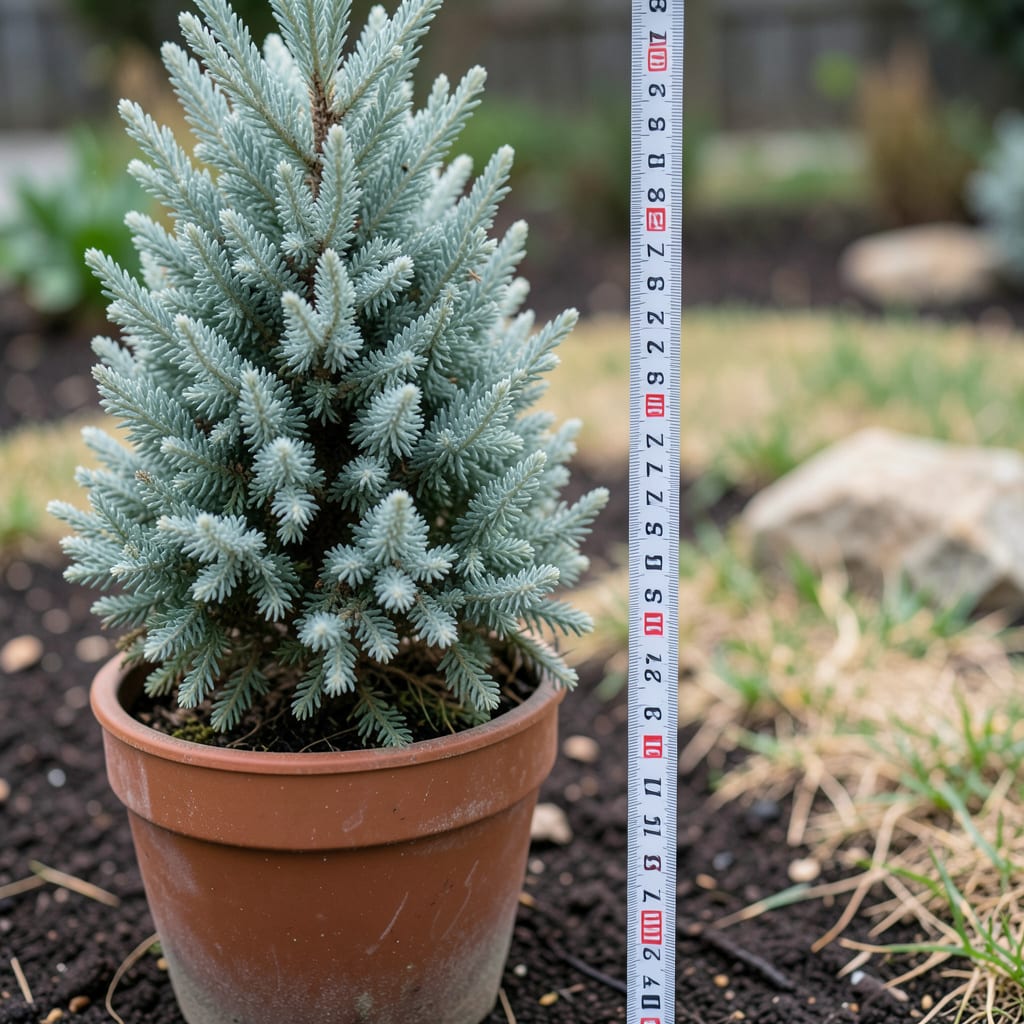
I’ve always been fascinated by the Wichita Blue Juniper 🌲, a popular choice for landscaping due to its stunning blue foliage and compact growth. Understanding how tall these shrubs can grow is essential for garden planning and maintenance.
Wichita Blue Junipers typically reach 3 to 5 feet in height, making them perfect for hedges, borders, or specimen plants in General areas within USDA Zone 6. Let’s explore what you need to know about their growth habits.


Wichita Blue Junipers are known for their compact growth and stunning blue foliage. They typically reach a height of 3 to 5 feet, making them an excellent choice for various landscaping needs 🌲.
The growth rate of Wichita Blue Junipers is generally slow to moderate. They can grow about 1 to 2 inches per year, depending on factors such as soil quality, watering, and sunlight exposure. Understanding these growth characteristics is crucial for planning and maintaining your garden or landscape.
Wichita Blue Junipers are drought-tolerant once established, making them suitable for areas with limited watering. They thrive in full sun and well-drained soil, which is typical for juniper species.
To maintain their desired shape and promote growth, Wichita Blue Junipers require regular pruning. Pruning should be done in the early spring or late winter before new growth begins. This helps maintain their compact form and encourages healthy growth.
The root system of Wichita Blue Junipers is fibrous and relatively shallow, which means they benefit from mulching to retain moisture and suppress weeds. This care practice also helps in maintaining a consistent soil temperature.
In terms of landscape design, Wichita Blue Junipers can be used as hedges, borders, or specimen plants. Their blue foliage provides a striking contrast to other plants and can add visual interest to any garden or landscape 🌿.
Overall, Wichita Blue Junipers are a low-maintenance and visually appealing option for landscaping in appropriate USDA zones. Their compact size and slow growth rate make them ideal for many garden designs.
By understanding the growth characteristics of Wichita Blue Junipers, you can better plan your garden and ensure these shrubs thrive in their environment.
Regular monitoring of their growth and adjusting your care practices accordingly will help you enjoy the beauty of Wichita Blue Junipers for years to come.
I’ve spent years caring for Wichita Blue Junipers, and I’ve learned that their ultimate height hinges on more than genetics. Understanding the key environmental factors helps you predict whether they’ll stay compact or stretch toward the upper range of their size. 🌿
In my garden, I track sunlight exposure, water patterns, and soil health to see how each element nudges growth. By adjusting these variables, I can encourage a healthier, more uniform shrub that fits neatly into my landscape design. 🌞
Full sun is the golden rule for Wichita Blue Junipers; they thrive with at least six hours of direct light daily. When shade dominates, the plants may become leggy and struggle to reach their typical 3‑5‑foot stature. I always position them on south‑facing borders.
These junipers are drought‑tolerant, yet inconsistent watering can stunt vertical growth. I recommend a deep soak once a week during summer, then taper to bi‑weekly in cooler months. Over‑watering leads to shallow roots and may keep the shrub under its potential height.
Well‑drained and slightly alkaline soil provides the best foundation. I test pH and amend with lime if needed, ensuring the medium stays loose to prevent root rot. Poor drainage often forces the plant to spread laterally rather than grow upward. 🌱
Regular pruning in early spring shapes the canopy and stimulates new shoots, which can add a few inches to overall height each season. I trim no more than one‑third of the foliage to avoid stress. Proper mulching also conserves moisture and supports steady growth.
By managing sunlight, water, soil, and pruning, you give Wichita Blue Junipers the conditions they need to achieve their full 3‑5‑foot potential. I’ve seen these adjustments turn a modest shrub into a striking, compact accent in my garden. Happy planting! 🌿
When incorporating Wichita Blue Junipers into your landscape design, understanding their expected height and spread at maturity is crucial for creating a balanced and visually appealing garden 🌲.
These junipers typically reach a height of 3 to 5 feet, making them an excellent choice for various landscaping needs. Their compact growth habit allows them to be used effectively as hedges, borders, or specimen plants.
Consider the mature size of Wichita Blue Junipers when planning your landscape to ensure proper spacing and visual balance.
To create an effective landscape design, consider the mature height and spread of Wichita Blue Junipers. Plant them with enough space to grow to their full size without overcrowding other plants 🌿.
Using Wichita Blue Junipers as hedges or borders can provide a beautiful, compact screen. Their blue foliage adds a striking contrast to other plants and can enhance the visual interest of your garden.
When using them as specimen plants, place them in a location where their compact form and blue color can be showcased. This can add a unique focal point to your landscape design.
Regular pruning and maintenance are essential to keep Wichita Blue Junipers healthy and looking their best. Prune them in the early spring or late winter to maintain their desired shape and promote healthy growth.
By understanding the growth characteristics and landscaping considerations for Wichita Blue Junipers, you can create a beautiful and well-planned garden that showcases these stunning shrubs 🌟.
Wichita Blue Junipers typically grow to be between 3 to 5 feet tall, making them a great choice for compact landscaping needs. Their mature height can vary slightly based on growing conditions. Proper care can help them reach their full potential height.
Wichita Blue Junipers have a slow to moderate growth rate, typically growing about 1 to 2 inches per year. This slow growth rate makes them a low-maintenance option for landscaping. Regular pruning can help maintain their desired shape.
Several factors can influence the height of Wichita Blue Junipers, including sunlight exposure, watering practices, and soil quality. They thrive in full sun and well-drained soil, and consistent moisture can support healthy growth. Proper care can help them reach their maximum height.
Yes, Wichita Blue Junipers are often used as hedges or borders due to their compact growth habit and attractive blue foliage. They can provide a beautiful, compact screen when planted in a row. Regular pruning helps maintain their shape and promotes healthy growth.
