
Beautiful Plants For Your Interior
Beautiful Plants For Your Interior
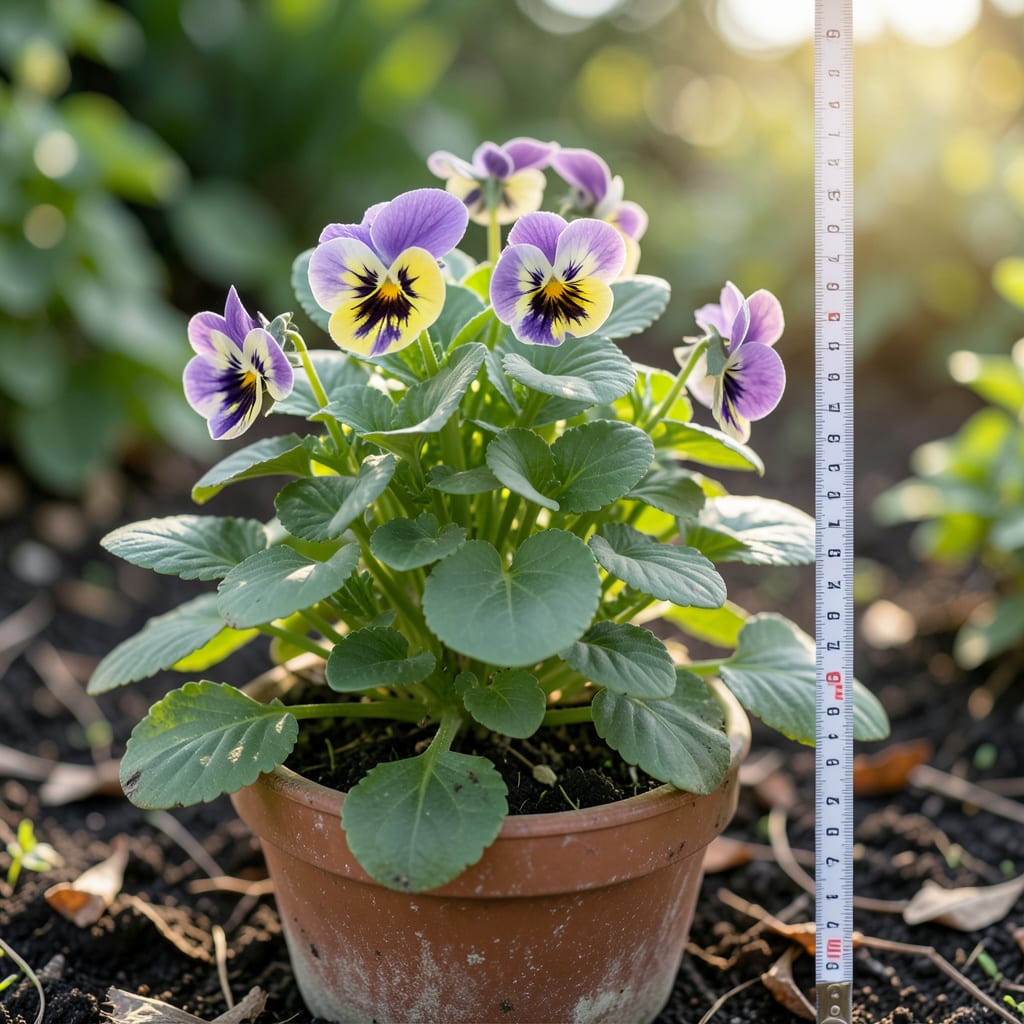
As a gardener, I’ve always been fascinated by the delicate beauty of violas 🌸. These charming flowers add a touch of elegance to any garden, but their growth habits can be a bit mysterious.
Understanding how violas grow is key to showcasing their beauty – and it all starts with knowing their height potential. Let’s explore what affects their growth and how to care for them to promote healthy development.


Violas are charming flowers that add elegance to any garden, but their growth habits can be mysterious. Understanding how violas grow is key to showcasing their beauty.
The height of violas is influenced by several factors, including variety, growing conditions, and care practices. Let’s explore these factors in detail.
On average, violas typically grow between 6-8 inches tall, with some varieties reaching up to 12 inches under optimal conditions. Their compact growth makes them ideal for container gardening and border edging. 🌼
To achieve maximum height, violas require specific growing conditions. They thrive in cool weather, typically between 40°F to 70°F (4°C to 21°C), and prefer well-draining soil rich in organic matter.
Light exposure is another critical factor. Violas generally prefer partial shade to full sun, depending on the variety. Ensuring they receive the right amount of light is crucial for promoting healthy growth and maximizing their height potential.
In terms of care, regular watering is essential, but violas are sensitive to overwatering. Maintaining a balance is key to preventing root rot and other issues that could stunt their growth.
Fertilization also plays a role in viola growth. Using a balanced fertilizer during the growing season can provide the necessary nutrients for optimal development.
By understanding these factors and providing the right conditions, gardeners can encourage their violas to reach their full height potential, resulting in a vibrant and healthy display of flowers.
Violas are not only beautiful but also relatively easy to care for, making them a great choice for gardeners of all skill levels. With the right care, they can add a delightful touch to any garden or container.
In summary, while violas are generally compact plants, their height can vary based on several factors. By providing optimal growing conditions and proper care, gardeners can help their violas achieve their maximum height potential.
For more specific advice on caring for violas, including tips on soil preparation and fertilization, continue reading the next section.
To help violas reach their maximum height potential, gardeners should focus on providing optimal growing conditions and proper care. This includes soil preparation, sunlight exposure, watering techniques, and fertilization. 🌼
First, let’s talk about soil preparation. Violas thrive in well-draining soil rich in organic matter. To achieve this, gardeners can mix in compost or well-rotted manure to improve soil structure and fertility.
Select viola varieties known for their compact growth or upright habits to maximize height potential.
Ensure violas receive the right amount of light exposure, whether it’s partial shade or full sun, depending on the variety.
Regular watering is essential, but be cautious of overwatering, which can lead to root rot and stunted growth.
In addition to these tips, fertilization plays a crucial role in promoting healthy viola growth. Using a balanced fertilizer during the growing season can provide the necessary nutrients for optimal development.
By following these expert tips, gardeners can help their violas achieve their maximum height potential and enjoy a vibrant display of flowers.
For more information on common mistakes to avoid when caring for violas, continue reading the next section.
Violas are relatively easy to care for, making them a great choice for gardeners of all skill levels. With the right care, they can add a delightful touch to any garden or container.
By understanding the factors that influence viola height and providing optimal care, gardeners can showcase these beautiful flowers to their full potential.
When caring for violas, it’s essential to be aware of common mistakes that can limit their growth. By understanding these pitfalls, gardeners can take steps to avoid them and promote healthy development.
One of the most significant mistakes is overwatering. Violas are sensitive to excessive moisture, which can lead to root rot and other issues that stunt their growth.
Check soil moisture regularly and avoid watering when the top inch of soil is still moist.
Another critical factor is soil quality. Violas thrive in well-draining soil rich in organic matter. Poor soil quality can lead to nutrient deficiencies and poor drainage, both of which can negatively impact viola growth.
Insufficient light is another common mistake. While violas can tolerate some shade, they generally require partial shade to full sun to thrive. Ensuring they receive the right amount of light is crucial for promoting healthy growth.
To avoid these mistakes, gardeners should focus on providing optimal growing conditions. This includes regular watering, proper fertilization, and adequate light exposure.
By being mindful of these potential pitfalls and taking steps to avoid them, gardeners can help their violas achieve their full growth potential and enjoy a vibrant display of flowers 🌼.
In summary, avoiding common mistakes like overwatering, poor soil quality, and insufficient light is key to promoting healthy viola growth. By providing optimal care, gardeners can showcase these beautiful flowers to their full potential.
Violas typically grow between 6-8 inches tall, with some varieties reaching up to 12 inches under optimal conditions. Their compact growth makes them ideal for container gardening and border edging.
The height of violas is influenced by variety, growing conditions, and care practices. Factors like light exposure, temperature, and soil quality significantly impact their growth. By understanding these factors, gardeners can promote healthy development and maximize height potential.
To help violas reach their maximum height potential, focus on providing optimal growing conditions and proper care. This includes soil preparation, sunlight exposure, watering techniques, and fertilization. Using a balanced fertilizer during the growing season can provide necessary nutrients for optimal development.
Common mistakes that can limit viola growth include overwatering, poor soil quality, and insufficient light. Being mindful of these potential pitfalls and taking steps to avoid them can help promote healthy growth and maximize height potential. By providing optimal care, gardeners can showcase these beautiful flowers to their full potential.
